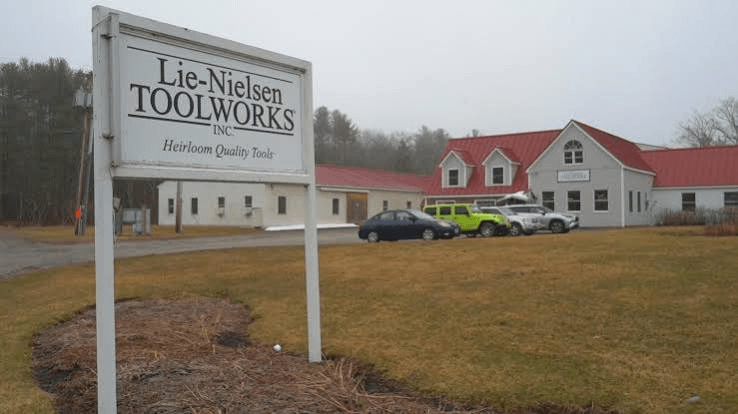

You find a Lie-Nielsen No. 5 jack plane you want to buy. You go to the website. It says unavailable. No explanation, no timeline, no clear answer. So you start wondering — is this company actually shutting down?
It’s a fair question. Lie-Nielsen makes premium hand tools for serious woodworkers, and if you’re planning to spend real money on their products, you want to know the company will still be around to support them.
This article covers the current status of Lie-Nielsen Toolworks, why closure rumors keep coming up, and what the actual evidence says about the business.
Lie-Nielsen Is Not Going Out of Business
Let’s answer the main question directly: there is no credible evidence that Lie-Nielsen is closing. No bankruptcy filing. No official closure announcement. No statement from the company or its founder suggesting the business is winding down.
The company’s website is active. Their Tool Availability page lists contact numbers for customers who want updates on specific products. That’s not what a company does when it’s shutting its doors.
Business commentary from sources like Business Hunch explicitly states that Lie-Nielsen continues to manufacture and sell tools. The absence of any real distress signal matters here. When a business is genuinely in trouble, there are usually public signs — creditors, court filings, employees speaking out, social media going quiet. None of that is happening with Lie-Nielsen.
What Lie-Nielsen Toolworks Actually Is
Before getting into the rumors, it helps to understand what kind of company this is. Lie-Nielsen Toolworks is a family-owned business founded in 1981, based in Warren, Maine. Thomas Lie-Nielsen started the company and, according to available information, still owns and leads it.
The company makes high-quality hand planes, chisels, saws, and related woodworking tools. These aren’t mass-market products. They’re made in small batches and are often compared to — or positioned as upgrades from — vintage Stanley tools.
A media feature on the company describes them as a specialty toolmaker that sells worldwide. This isn’t a struggling local shop on the edge of collapse. It’s a niche manufacturer with a loyal global customer base and more than 40 years of operation behind it.
Understanding that scale matters. Small-batch, artisan-level production has its own rhythms. Models go in and out of availability. Lead times stretch. This is normal for this type of business, not a warning sign.
Why the “Going Out of Business” Rumors Keep Circulating
There are a few specific triggers that keep this question alive online. None of them actually point to a closing business, but they’re worth understanding.
Backorders and Unavailable Labels
When customers visit the Lie-Nielsen website and see “unavailable” next to a product they want, the natural assumption is that something is wrong. A Reddit thread on the r/handtools forum shows exactly this pattern — users asking if the No. 5 jack plane had been discontinued.
The answer from actual buyers? It was on backorder, not gone permanently. That distinction matters. “Backordered” means high demand or limited capacity. “Discontinued” means the product is done. These are very different situations, and online forums often blur the line.
Pandemic Supply Chain Problems
Like most small manufacturers, Lie-Nielsen felt the effects of pandemic-era supply chain disruptions. Material delays, workforce constraints, and longer lead times hit companies of all sizes. Lie-Nielsen was not unique in this.
Commentary from Business Hunch connects the spike in closure rumors directly to this period. Customers saw longer wait times and fewer products in stock, and some interpreted that as the company struggling to survive. In reality, it was a widespread manufacturing problem that affected businesses across many industries.
The Woodcraft Split
In 2009, Lie-Nielsen ended its retail relationship with Woodcraft, one of the largest woodworking retail chains in the United States. After that, fewer Lie-Nielsen tools were visible in physical stores. Some people read that as the company retreating — pulling back because it couldn’t compete.
That reading is wrong, and the next section explains why.
The Woodcraft Split Was a Strategy Call, Not a Financial Warning Sign
Fine Woodworking reported on the Lie-Nielsen and Woodcraft split when it happened in 2009. Tom Lie-Nielsen explained the reasons clearly: Woodcraft generated more demand than his company could comfortably meet, and he wasn’t satisfied with how the tools were handled in stores.
Specifically, tools were kept locked in display cases. Store staff weren’t trained to advise customers on how to use or choose them properly. For a brand built on craftsmanship and a specific customer experience, that’s a real problem.
Pulling back from a major retail chain was a deliberate brand decision, not a sign of financial collapse. Think of a small craft brewery that stops supplying a large grocery chain so it can sell directly through its own storefront. That’s a choice about control and quality, not an admission of failure.
After the split, Lie-Nielsen moved primarily to direct sales. That model gives them more control over pricing, inventory presentation, and the customer relationship. For a company like this, that’s often a healthier long-term position than chasing retail volume.
What Backorders and Limited Availability Actually Signal
For a small, specialty manufacturer, cycling products in and out of availability is part of normal operations. It’s not a red flag.
Consider how a high-end bicycle frame builder operates — long waitlists, seasonal production runs, and limited inventory are standard. When orders spike or materials are delayed, lead times stretch. Some models temporarily disappear from the catalog. Customers sometimes panic. But the business isn’t dying; it’s just operating within real production limits.
Lie-Nielsen works the same way. When demand outpaces capacity, some tools go on backorder. When materials are delayed, timelines shift. Their Tool Availability page exists specifically to manage this — it’s an active communication channel, not a placeholder on an abandoned site.
If you need a specific tool and it shows as unavailable, calling the number listed on their availability page is the most direct way to get accurate information.
How to Evaluate a Niche Manufacturer’s Business Health
If you’re planning to spend a significant amount on premium tools, it’s reasonable to want some confidence in the company behind them. Here’s how to think about it practically:
- Check for official announcements. The company website and social media accounts are the first place any closure or major change would appear. If those channels are active and updated, that’s a good sign.
- Look at communication quality. A company that maintains a dedicated availability page, posts updates, and answers customer calls is not in its final days.
- Watch for leadership changes. Ownership transitions at small family businesses can signal coming changes. As of available information, Thomas Lie-Nielsen remains the owner with no reported changes.
- Separate backorders from discontinuations. Check the product page carefully and contact the company directly if something isn’t clear.
It’s also worth noting that buying from a company with a 40-plus year track record and a reputation for quality is a different risk profile than buying from a startup or an off-brand supplier.
What Should You Do If You’re Considering a Purchase?
If you want a Lie-Nielsen tool and it shows as unavailable, here are practical steps:
- Check the official Tool Availability page at lie-nielsen.com for current status.
- Call or email the company directly. They list contact numbers and their team is reportedly responsive.
- Ask specifically whether the tool is backordered or discontinued — don’t assume one from the other.
- If you’re on a deadline, look at alternatives like Veritas tools from Lee Valley, which makes comparable premium hand tools and has its own strong reputation.
For more practical business analysis like this, First Business Mag covers a wide range of company and market topics with the same no-nonsense approach.
The Bottom Line
Lie-Nielsen Toolworks is not going out of business. The rumors come from real frustrations — hard-to-find tools, long backorders, and a retail exit that looked like a retreat. But none of those things are evidence of a company in distress.
What they actually show is a small, premium manufacturer managing limited production capacity, making strategic choices about how it sells, and dealing with the same supply chain problems that hit every manufacturer in recent years.
The company has been operating for more than four decades, its founder is still at the helm, and its website is actively communicating with customers. That’s not a business that’s closing — that’s a business doing what small specialty manufacturers do.
If you want a specific tool, reach out to them directly. Get the current status from the source, not from forum speculation.
Also Read This: