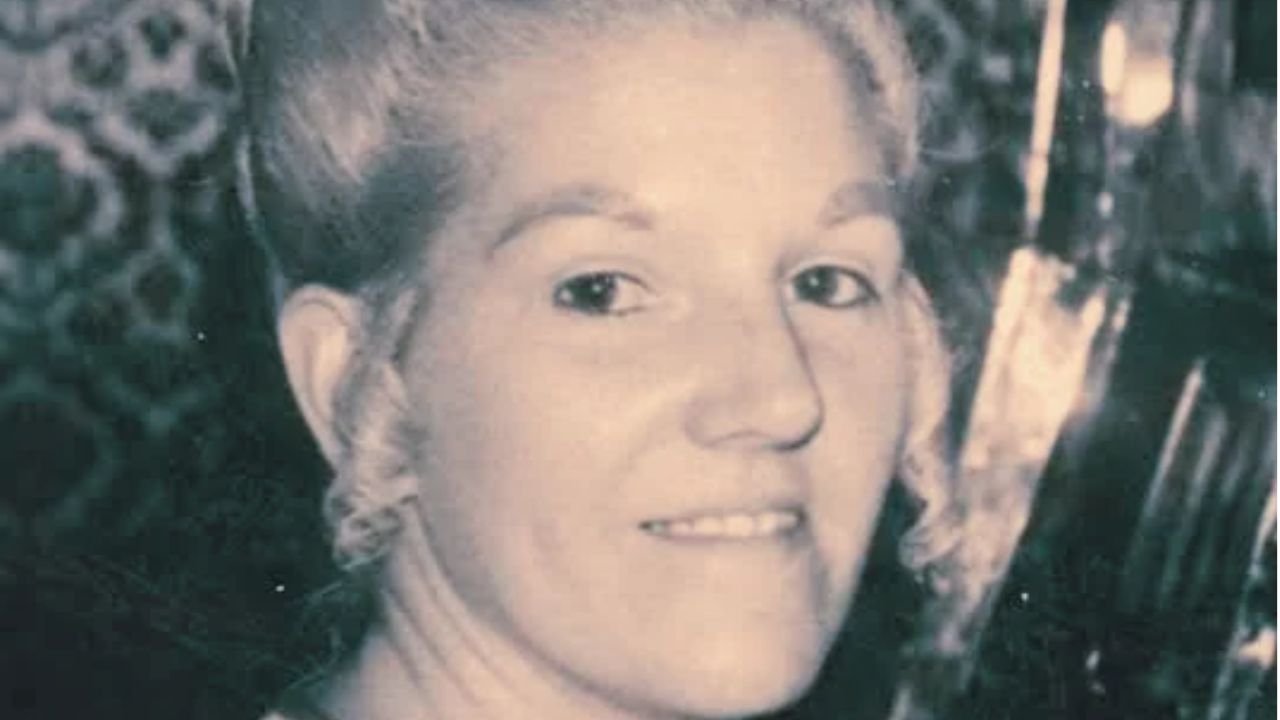

Carole Hoff is known primarily as the second wife of John Wayne Gacy, the Chicago-area contractor who was later convicted of murdering 33 young men and boys. She married Gacy in 1972, lived with him in his Norwood Park-area home, and sought a divorce in 1975 before the full extent of his crimes became publicly known. What is reliably documented about her life centers almost entirely on the years of that marriage.
| Known for | Second wife of John Wayne Gacy |
|---|---|
| Married | June 1, 1972 |
| Divorced | March 2, 1976 |
| Children | Two daughters (from a prior marriage) |
| Relationship | Former wife of John Wayne Gacy |
Who Was Carole Hoff?
Before meeting Gacy, Hoff had already been married and divorced, and she was raising two daughters on her own. She had a prior social connection to Gacy through his family — specifically, she was a friend of his sister — which meant the two were not strangers when they reconnected later in life.
Beyond those basic details, reliable sources do not document her occupation, birthdate, or early biography in any consistent way. She is not a public figure by her own standing, and what is known about her comes almost entirely from accounts related to her marriage to Gacy.
How Carole Hoff Came to Marry John Wayne Gacy
The two reconnected after Gacy was released from prison — he had served time in Iowa following a sodomy conviction in 1968. By the time Hoff came back into his life, Gacy had relocated to the Chicago suburb of Norwood Park and was building a contracting business. He presented himself as a hardworking, sociable man with community ties.
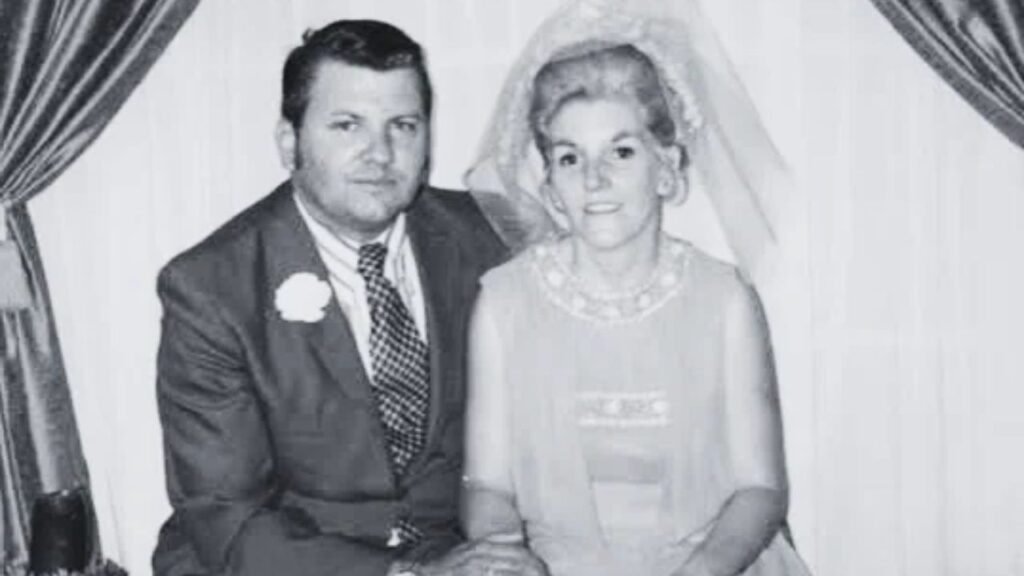
Hoff and Gacy married on June 1, 1972. After the wedding, she and her two daughters moved into his home on West Summerdale Avenue, the same property that would later become the center of a criminal investigation of staggering scale. At the time, there was nothing in the picture she could see that would have signaled what Gacy actually was.
What Carole Hoff Later Said About Life With Gacy
Accounts attributed to Hoff paint a marriage that shifted noticeably over time. In the early years, Gacy was an active presence in the community — he threw neighborhood parties, was involved in local Democratic politics, and ran his contracting business with apparent success. But as the marriage went on, his behavior changed in ways she found harder to explain or ignore.
Gacy became increasingly secretive about certain parts of the house. He was often absent for long stretches without clear explanation. Hoff reportedly noticed items that appeared to belong to young male employees — things that had no obvious reason to be in the home. There were also persistent, unpleasant odors that she could not account for, and that Gacy attributed to moisture problems under the house.
Nothing in the available accounts suggests that Hoff understood at the time what was actually happening. She observed things that, in retrospect, pointed toward something deeply wrong, but the full picture only became clear years after she left. Gacy was active as a killer during the years they were married, though she had no documented knowledge of his crimes while living with him.
Her later recollections were shared with journalists and documentary makers after Gacy’s arrest and conviction brought his crimes into public view. She described growing unease rather than any specific moment of understanding.
The Divorce
Hoff filed for divorce in 1975. The marriage was legally dissolved on March 2, 1976 — more than two years before Gacy’s December 1978 arrest. She and her daughters were gone from the West Summerdale Avenue home before investigators began uncovering the bodies buried beneath it.
The divorce filing cited infidelity, though accounts summarizing the record note this referred to Gacy’s conduct with women. Whatever the stated legal grounds, the broader picture of the marriage Hoff described afterward suggests the reasons for leaving were more layered than any single complaint.
Carole Hoff’s Children and Family
Hoff had two daughters from her first marriage. Both girls lived with her and Gacy during the years at the Norwood Park home. Hoff and Gacy had no biological children together. Her daughters are not identified by name in reliable sources, and nothing about their lives has been reported in the public record in any verified way.
For anyone researching the broader story of John Wayne Gacy, it is worth understanding that Hoff was not the only person close to Gacy who was left to make sense of what had been hidden from them. Her experience — living in a house where murders occurred, noticing troubling signs, and leaving before the truth emerged — is a documented part of the historical record around the case. Coverage at First Business Mag and similar outlets has explored the full context of Gacy’s life and crimes over the years.
After the divorce was finalized in 1976, Hoff stepped out of public life. She was not a public figure before the marriage, and what little public attention came her way arrived only because of who she had been married to. The years following 1976 are not documented in reliable sources, and she has not been a visible presence in media beyond occasional interviews or documentary appearances connected to the Gacy case.
What the record does establish clearly is this: Carole Hoff was an ordinary woman who married someone who turned out to be one of the most prolific serial killers in American history, noticed that something was wrong, and left before anyone outside that house knew the full truth. Her place in this history is narrow but real.