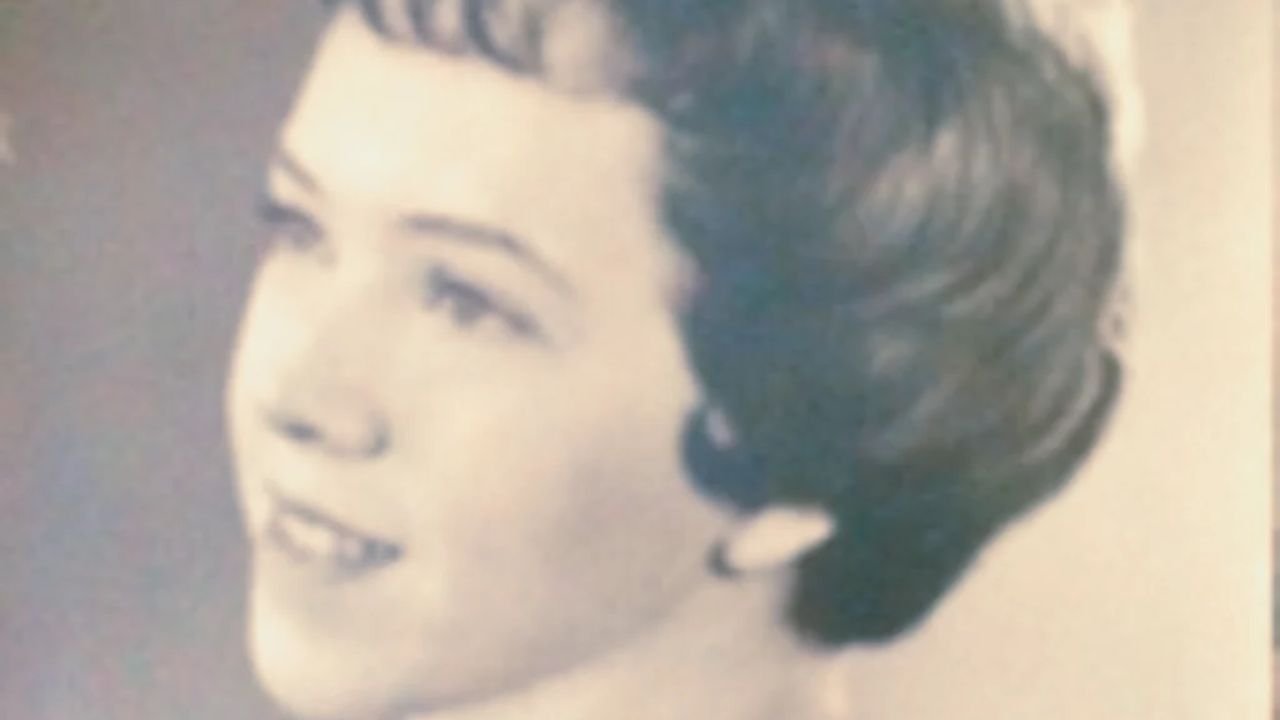

Marlynn Myers is best known as the first wife of John Wayne Gacy, the Chicago-area contractor who would later be convicted of murdering 33 people and become one of the most infamous serial killers in American history. Long before Gacy’s crimes came to light, Myers had already made the decision to end their marriage and move on with her life. Her documented story is one of a private person who built a life with Gacy, had two children with him, and walked away after his criminal conviction made the marriage untenable.
| Full name | Marlynn Myers |
|---|---|
| Known for | First wife of John Wayne Gacy |
| Married | September 1964 |
| Divorced | September 18, 1969 |
| Children | Michael Gacy, Christine Gacy |
| Relationship to John Wayne Gacy | First wife |
How Marlynn Myers Met John Wayne Gacy
Myers and Gacy first crossed paths while both were working at a shoe store in Springfield, Illinois. The two became acquainted as coworkers, and their relationship developed from there. They married in September 1964.
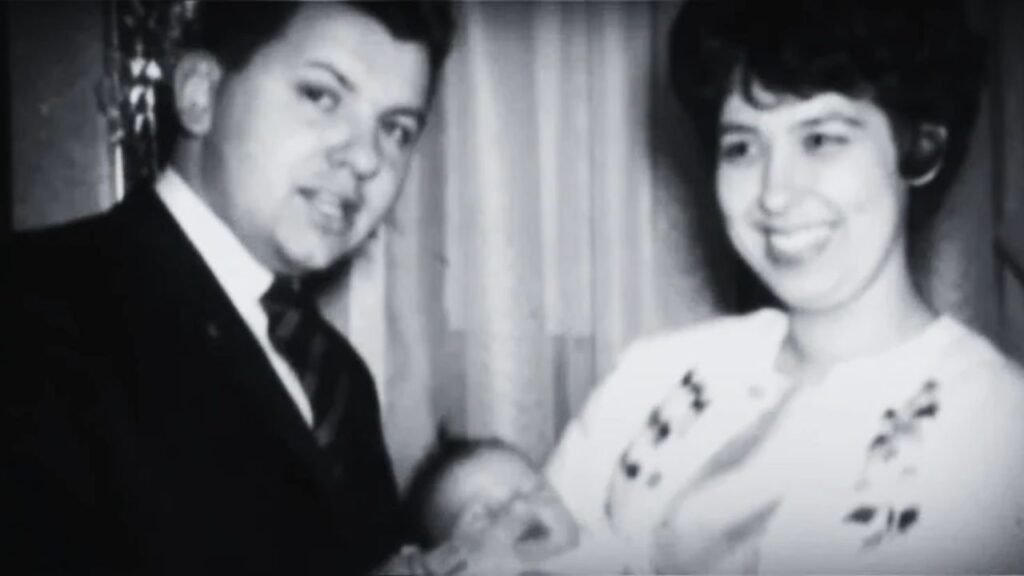
At the time, Gacy gave little outward indication of the person he would turn out to be. He was described in this period as sociable and ambitious, and the marriage appeared, from the outside, to follow a fairly ordinary path. Myers’s own background before the marriage is not well documented in the public record, but her family connection to a business in Iowa would soon play a central role in shaping where the couple ended up.
The Move to Waterloo and Her Family’s Business
In 1966, Myers and Gacy relocated to Waterloo, Iowa. The move was connected to her family: her father owned several Kentucky Fried Chicken franchises in the area, and Gacy took on the job of managing those restaurants after the couple arrived.
This arrangement meant that Gacy’s career during the Waterloo years was built directly on Myers’s family foundation. He became known in the community as a manager and local civic participant, joining organizations and cultivating a public reputation. Meanwhile, Myers’s father’s business gave the couple a degree of financial stability and a defined place in the local economy.
The fact that her father trusted Gacy enough to put him in charge of his restaurants speaks to how Gacy presented himself during this period — organized, personable, and reliable. That image would later prove to be a carefully constructed facade, but at the time, the arrangement functioned and the family appeared settled in Waterloo.
Her Children and the End of the Marriage
During their marriage, Myers and Gacy had two children together: a son, Michael Gacy, and a daughter, Christine Gacy. The couple raised their children in Waterloo during the years Gacy managed the KFC franchises.
The marriage began to unravel in 1968, when Gacy was convicted in Iowa of sexually assaulting a teenage boy. The conviction marked a decisive turning point. Myers filed for divorce while Gacy was incarcerated, and the divorce was finalized on September 18, 1969. She was awarded custody of both Michael and Christine.
By filing for divorce and securing custody during his incarceration, Myers effectively ensured that Gacy would have no ongoing role in her life or her children’s upbringing. Later reporting indicates that John Wayne Gacy had no further contact with Myers or their two children after that point.
The timing matters. Myers made her decision based on the 1968 conviction — years before Gacy’s murders were discovered. She did not know what he would go on to do. What she did know was enough to end the marriage and establish a clean separation.
Marlynn Myers After the Divorce
After the divorce was finalized, Myers moved forward as a private individual. Some reporting has noted that she remarried and changed her name, which would have further separated her public identity from her years with Gacy. Given the scrutiny that came with being connected to one of America’s most notorious criminals — particularly after Gacy’s arrest in 1978 and his execution in 1994 — the decision to maintain a private life is understandable.
Her children, Michael and Christine, similarly stepped away from public life. They have been mentioned in passing in coverage of Gacy’s case over the decades, but neither has sought a public platform.
For readers trying to understand Myers’s story, resources like First Business Mag can provide broader context around the kinds of historical cases and personal histories that intersect with major American crime stories.
What can be said with confidence is that Myers’s documented choices — leaving the marriage, securing custody, and building a life apart from Gacy — reflect a person who drew a clear line between herself and her former husband as soon as the law gave her the grounds to do so. The rest of her life has remained her own.