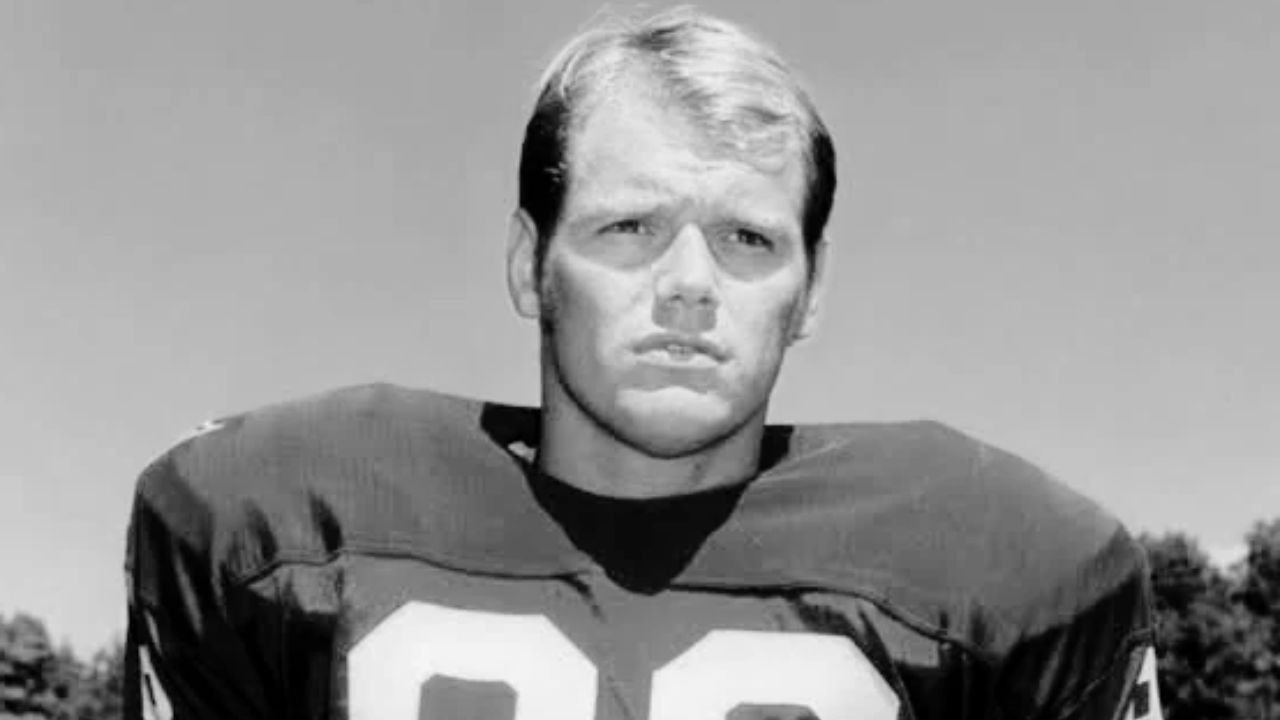

| Full name | John Frederick Dryer |
|---|---|
| Known as | Fred Dryer |
| Born | July 6, 1946, Hawthorne, California |
| Age | 78 |
| Nationality | American |
| Profession | Former NFL player, actor, producer, director |
| Known for | Los Angeles Rams defensive end; Detective Sergeant Rick Hunter in NBC’s Hunter |
| Parents | Charles F. Dryer and Genevieve Nell Clark Dryer |
| Former spouse | Tracy Vaccaro (m. 1983–1988) |
| Children | Caitlin Nell Dryer |
| Hall of Fame | College Football Hall of Fame, inducted 1997 |
Fred Dryer built two genuinely distinct public careers in the same lifetime, and each one would have been enough on its own. He spent 13 seasons as a professional football player, establishing himself as one of the better defensive ends in the NFL during the 1970s. Then, when most athletes his age were long retired from public life, he became the face of a popular NBC police drama that millions of viewers watched every week. The combination made him one of the more unusual athlete-to-actor transitions in American entertainment history.
What ties every chapter together is California. He was born there, went to school there, played his most important professional football there, and built his television career there. The state is not just background detail — it is the through line of his life.
From Hawthorne to Lawndale: Early Life and High School Football
John Frederick Dryer was born on July 6, 1946, in Hawthorne, California, to Charles F. Dryer and Genevieve Nell Clark Dryer. Hawthorne sits in the South Bay area of Los Angeles County, a working-class suburb that produced a handful of notable athletes and entertainers during the postwar decades.
Dryer played high school football at Lawndale High School in the neighboring city of Lawndale. That early experience on the field pointed toward something worth developing, though the path to a professional career still had a few steps to go.
El Camino Junior College to San Diego State
Rather than going directly to a four-year university, Dryer first attended El Camino Junior College, a community college in Torrance, California, that has a long history of sending players to bigger programs. He used his time there to develop as a player before transferring to San Diego State University.
At San Diego State, Dryer played defensive end for the Aztecs during the 1967 and 1968 seasons. By his senior year, the national college football community had taken notice. He earned Little All-America recognition in 1968, a significant honor for a player at a program outside the major college football powers of that era.
The postseason invitations confirmed his standing. Dryer played in the East-West Shrine Game, the Hula Bowl, and the College All-Star Game — three of the most prestigious all-star showcases of the era. Competing in all three in a single year said a great deal about the regard in which scouts and selectors held him coming out of San Diego State.
First-Round Pick: The Giants and the Move to the Rams
The New York Giants selected Dryer in the first round of the 1969 NFL Draft. For a defensive end from San Diego State — not exactly a program with a pipeline to the league — a first-round selection was a meaningful statement of professional confidence. He began his NFL career in New York, playing for the Giants during the early part of his professional tenure.
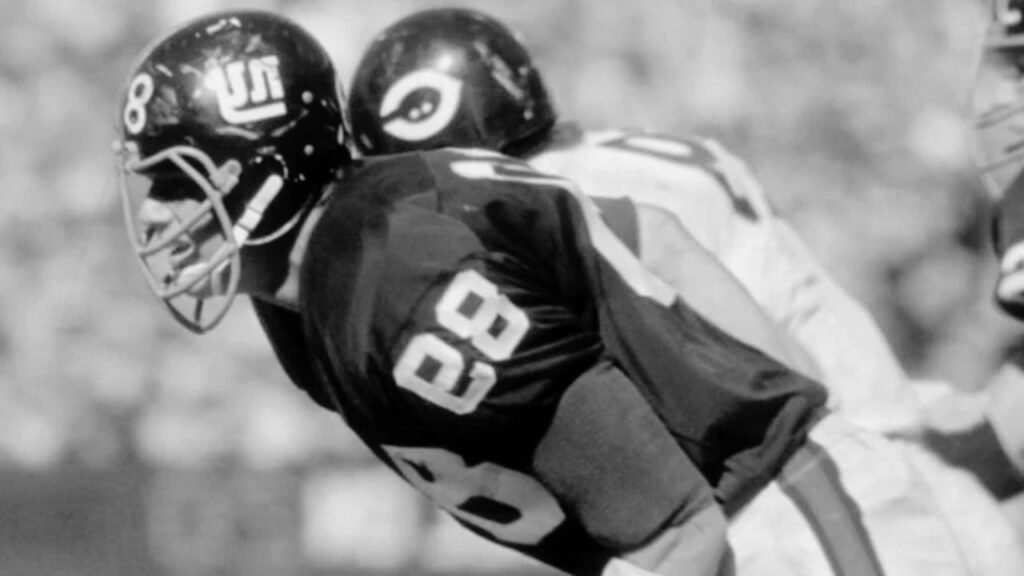
His career found its fullest expression, however, after he moved to the Los Angeles Rams. Dryer became a standout defensive end in Los Angeles, playing in the era when the Rams were one of the more competitive teams in the NFC. He earned All-Pro recognition during his time with the team, a distinction that placed him among the better players at his position in the entire league.
The Rams also gave Dryer his only Super Bowl appearance. Los Angeles reached Super Bowl XIV, where they faced the Pittsburgh Steelers — a Steelers team in the middle of their dynasty years. The Rams came up short in that game, but reaching the Super Bowl marked the highest-stakes moment of Dryer’s football career. He played professionally for 13 seasons in total across his time with both the Giants and the Rams, retiring in 1981.
College Football Hall of Fame, 1997
In 1997, Fred Dryer was inducted into the College Football Hall of Fame, the formal recognition of what he accomplished as a college player at San Diego State. It is worth being precise here: this is the College Football Hall of Fame, administered by the National Football Foundation, which honors players for their collegiate careers. It is a separate institution from the Pro Football Hall of Fame in Canton, Ohio.
The induction put Dryer in distinguished company among players whose college performances were considered exceptional enough to merit permanent recognition. For a player who came through the junior college system and played at San Diego State rather than a football factory, the honor carried particular weight. San Diego State’s athletics program also recognizes him in its own Hall of Fame, reflecting how significantly he shaped the program’s history.
Becoming Rick Hunter: Television’s Second Act
After retiring from football, Dryer moved into acting — a transition that, on paper, might have seemed like a long shot but turned out to be well-suited to who he was. He stood 6 feet 6 inches and carried the physical presence of someone who had spent a career facing NFL offensive linemen. That build, combined with genuine on-screen comfort, made him a natural fit for an action-oriented television role.
The role that defined his entertainment career was Detective Sergeant Rick Hunter in NBC’s police drama Hunter. The show gave him broad mainstream recognition that extended well beyond sports audiences. Viewers who had never watched an NFL game knew him as Hunter, the straightforward, physical detective working cases week after week. The series ran for multiple seasons and gave Dryer a second public identity that endured long after his football career had ended.
Beyond acting, Dryer also worked as a producer and director, extending his involvement in the entertainment industry past performing. His career arc — from first-round draft pick to television lead — remains one of the more complete examples of an athlete successfully building a second professional life in a completely different field.
Fred Dryer’s Marriage and Family
In 1983, Dryer married Tracy Vaccaro, an actress. The two had a daughter, Caitlin Nell Dryer, before the marriage ended in divorce in 1988. Caitlin’s middle name, Nell, echoes her grandmother Genevieve Nell Clark Dryer, suggesting a family naming tradition that connected the two generations.
No reliable documentation supports claims of a later marriage or additional children beyond what the records confirm.
A Career That Covered Both Coasts and Both Worlds
Fred Dryer’s biography resists easy summary because it genuinely contains two full careers rather than one main career and a footnote. The football record stands clearly: 13 NFL seasons, a first-round draft selection, All-Pro recognition with the Rams, a Super Bowl XIV appearance, and a College Football Hall of Fame induction in 1997. That alone would place him comfortably in any conversation about significant NFL defensive ends of his era.
The television record is equally real. Playing Rick Hunter on NBC for multiple seasons, reaching a mainstream audience that had nothing to do with football — that is not a cameo or a novelty appearance. It is a second career, taken seriously and sustained over time.
For readers interested in the business side of sports and entertainment careers, First Business covers the kind of professional transitions and industry developments that put individual careers like Dryer’s into broader context.
He grew up in Hawthorne, went to school in Torrance and San Diego, played professional football in New York and Los Angeles, and became a television name from the same Southern California region where it all started. The California thread runs from beginning to end, and the career that thread connects is more varied than almost any athlete of his generation managed to build.