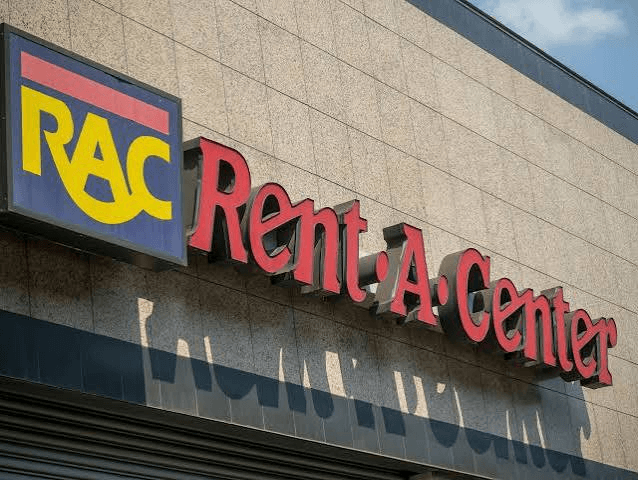

A local Rent-A-Center closes. A headline mentions layoffs. Then the internet fills up with questions about whether the whole company is shutting down. It’s a fair thing to wonder — but the real answer is more specific than most articles bother to explain.
This article covers whether Rent-A-Center has closed as a company, what actually changed with the corporate rebrand, why shutdown rumors keep circulating, and what the business looks like right now in plain terms.
Rent-A-Center Has Not Gone Out of Business
Let’s get straight to the point: Rent-A-Center has not shut down. The company has not filed for bankruptcy, and there has been no announcement of a company-wide closure.
The business still operates in the U.S. rent-to-own market. What did change is the name of the parent company. Rent-A-Center, Inc. officially rebranded as Upbound Group, Inc. The Rent-A-Center brand, however, still exists and is still the name you’ll see on storefronts.
If you searched for Rent-A-Center and started seeing references to “Upbound Group,” that’s likely where the confusion started. The brand didn’t disappear — the corporate structure behind it got a new name.
What Rent-A-Center Actually Is
Rent-A-Center was founded in 1986 and is headquartered in Plano, Texas. It’s a rent-to-own retailer, which means customers can rent products and pay over time with the option to eventually own them.
The product range includes furniture, appliances, electronics, and computers. One of the model’s main selling points is that customers don’t need a credit check or a long-term contract to get started.
Over the years, Rent-A-Center built one of the largest store networks in the U.S. rent-to-own sector. That scale is part of why news about store closures or layoffs gets amplified — people assume a big company closing anything must mean something serious is happening.
Why People Think the Company Is Closing
There are several specific reasons this question keeps coming up. None of them individually mean the company is going under, but together they’ve created a persistent cloud of uncertainty.
Individual Store Closures
Rent-A-Center stores do close from time to time. A location in Poughkeepsie, New York, for example, closed permanently. When that happens locally, it feels significant — especially if you were a customer there.
But a single store closing doesn’t mean a chain is collapsing. Think about it this way: if a few locations of a restaurant chain shut down, you wouldn’t automatically assume the entire brand is gone. The same logic applies here. Retail businesses regularly adjust their store portfolios based on performance, lease terms, and market conditions.
The 2018 Sale Speculation
In 2018, Rent-A-Center publicly explored selling the entire company. That decision generated significant media coverage and a lot of speculation about what would happen to the business.
After months of back-and-forth, the company decided not to sell — then received another offer, considered it, and went through the cycle again. That on-again, off-again sale news created lasting confusion. When a company is openly shopping itself around, people reasonably wonder if it’s in trouble.
Layoffs in 2018
Around the same time as the sale exploration, Rent-A-Center announced layoffs as part of a cost-cutting push. The Wall Street Journal covered the move, which drew attention to the company’s financial pressures at the time.
Layoffs, sale rumors, and store closures all happening in the same general period gave the impression of a company in freefall. But companies cut costs and restructure without going out of business all the time. That’s a normal part of how large retailers manage through difficult periods.
The Turnaround Strategy That Followed
After rejecting sale offers, Rent-A-Center shifted toward a turnaround strategy. Retail Dive covered how the company continued working on its operations rather than heading toward liquidation.
A turnaround strategy is not a sign of failure — it’s an active attempt to fix what isn’t working. The fact that the company pursued one, rather than folding, is actually evidence it was trying to stay in business.
The Corporate Rebrand to Upbound Group
This is the detail that causes the most current confusion. Rent-A-Center, Inc. changed its corporate name to Upbound Group, Inc. The announcement came through an investor release, which confirmed the name change as part of advancing the company’s broader mission.
The key distinction: the corporate parent changed its name, but the Rent-A-Center retail brand is still active. Customers still shop at stores called Rent-A-Center. The name on the door hasn’t changed.
This kind of restructuring is common in large retail businesses. A parent company updates its identity at the corporate level while keeping established consumer-facing brands intact. It can look confusing from the outside, especially if you’re searching for the old company name and suddenly see a different name in the results.
If you search “Rent-A-Center” and find Upbound Group references, the company hasn’t vanished. It’s operating under a reorganized corporate structure with the same retail presence.
Legal and Financial Scrutiny the Company Has Faced
Rent-A-Center has also faced regulatory and legal challenges, which have contributed to negative press coverage.
The California Attorney General announced a $15.5 million settlement with the company over unlawful leasing practices and deceptive marketing. That’s a significant settlement, and it generated headlines that added to the perception of a company in trouble.
It’s worth being clear about what a legal settlement actually indicates. It shows the company faced legitimate regulatory scrutiny and was required to resolve it. But a settlement — even a large one — is not the same thing as a business shutting down. Companies face lawsuits, regulatory actions, and settlements regularly while continuing to operate.
The settlement is relevant context. It tells you something about how the company has handled its consumer practices. It does not tell you the company is closing.
How to Tell the Difference Between Restructuring and Failure
For business owners and managers watching this situation, there’s a useful distinction to keep in mind. Not every sign of trouble means a company is done.
Here’s a basic framework for reading these situations:
- Store closures: Common across retail. Can reflect lease decisions, underperforming locations, or market exits. Not automatically a sign of company-wide failure.
- Layoffs: Often tied to cost-cutting or restructuring. Can indicate pressure, but also active management of a business problem.
- Sale exploration: A company exploring a sale is looking at options, not necessarily preparing to collapse. Many companies explore sales and continue operating.
- Corporate rebrand: A name change at the parent company level is a structural decision, not a sign the business is disappearing.
- Legal settlements: Evidence of regulatory scrutiny. Requires resolution and accountability, but does not signal shutdown.
Rent-A-Center has gone through all of these. Taken together, they explain why the “going out of business” question keeps coming up. But none of them, individually or combined, confirm that the company has closed or is about to.
For more practical coverage of business decisions, retail trends, and company news, First Business Mag covers these topics in plain language for people who need straight answers.
What the Current Status Looks Like
As of now, Rent-A-Center operates as a consumer brand under its parent company, Upbound Group, Inc. The stores are open. The rent-to-own model is still running. The brand name is still in use.
The company has been through a real period of transition — cost-cutting, a rejected sale, a corporate rebrand, legal settlements, and ongoing operational changes. That’s a lot of activity, and it’s easy to see why it looks alarming from the outside.
But transition is not the same thing as shutdown. Rent-A-Center is in an ongoing period of change, not liquidation.
The Short Answer
No, Rent-A-Center is not going out of business. The company still operates. The stores still exist. The brand is still active under the Upbound Group corporate structure.
If your local store closed, that’s a real change for that community — but it reflects a single location decision, not a company-wide collapse. If you saw news about layoffs or sale rumors from 2018, that chapter has passed. If you’re confused about the Upbound Group name, now you know: it’s the parent company, not a replacement for the Rent-A-Center brand.
The company has had a difficult few years by most measures. But difficult and done are two different things.
Also Read This: