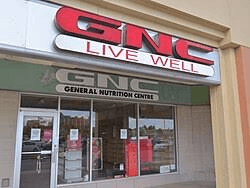

If you search “Is GNC going out of business,” you will still find headlines from 2020 talking about bankruptcy and store closures. Those headlines are not wrong — but they are old, and they leave out what happened next.
GNC is not gone. But the company did go through a major restructuring, close hundreds of stores, and change ownership. Here is a clear breakdown of what actually happened and where GNC stands today.
GNC Filed for Bankruptcy in 2020 — But That Is Not the Same as Closing
In June 2020, GNC filed for Chapter 11 bankruptcy protection. That is a critical detail, because Chapter 11 is not a shutdown. It is a court-supervised process where a company keeps operating while it reorganizes its finances and obligations.
The version that actually closes a business is Chapter 7, also called liquidation. Under Chapter 7, a company stops operating, sells off its assets, and pays creditors what it can. GNC did not file for that.
GNC explicitly stated that business operations would continue during the Chapter 11 process. Reuters confirmed at the time that the company planned to emerge from restructuring later that year — not shut down entirely.
Think of Chapter 11 like this: a business hits a financial wall, goes to court for protection from its creditors, and uses that breathing room to restructure debt, close weak locations, and find a path forward. It is a reset, not an ending.
Why GNC Ended Up in Bankruptcy
The 2020 filing did not come out of nowhere. GNC had been carrying heavy debt for years before the pandemic hit. The company was already dealing with underperforming stores and slowing foot traffic in malls and retail centers.
When COVID-19 arrived and lockdowns began, brick-and-mortar supplement retailers took a direct hit. Foot traffic collapsed almost overnight. GNC, which relied heavily on in-store sales, saw revenue drop sharply at exactly the wrong time.
According to reporting from the Wall Street Journal and Reuters, a combination of pandemic-related sales declines, supplier pressure, and long-standing debt obligations pushed the company to file. The pandemic did not cause the problem — it just accelerated a timeline that was already trending the wrong way.
Store Closures Were Targeted, Not a Full Shutdown
GNC announced plans to close between 800 and 1,200 stores as part of its restructuring. Some reports, including CBS News, cited figures as high as 1,400 locations. That is a large number, but it was not every store.
Closures were focused on underperforming locations — primarily stores in malls, low-traffic areas, and markets where the economics simply did not work. These were not random cuts. They followed the logic most retail companies use when restructuring: keep what works, cut what does not.
Closures rolled out in phases across U.S. states, Puerto Rico, and Canada. Business Insider and USA Today both tracked specific closure lists as they were released, which gave the situation the appearance of a full collapse when it was actually a portfolio cleanup.
This is a common pattern in retail restructuring. When a chain closes locations, the stores that remain open often get stronger because the company is no longer propping up unprofitable ones. A single GNC closing in your town does not mean the whole chain is gone — it means that specific location was cut from the portfolio.
Harbin Pharmaceutical Group Bought GNC
Here is the part most people miss when they search for GNC news.
As part of its bankruptcy plan, GNC agreed in principle to sell itself to Harbin Pharmaceutical Group for approximately $760 million. Harbin is a Chinese pharmaceutical company, and the acquisition transformed GNC from an independent publicly traded company into a subsidiary.
Reuters and Retail Dive both confirmed the sale agreement. This deal is what allowed GNC to survive as a going concern rather than liquidate. Without a buyer willing to take on the business, the restructuring could have ended in Chapter 7 and a full shutdown.
GNC under Harbin ownership still operates stores, still sells supplements, and still runs as a recognizable brand. The name on the sign stayed the same. The ownership behind it changed entirely.
Readers who assume GNC disappeared after 2020 are missing this part of the story. The brand did not vanish — it was sold and continued operating under new ownership.
What the 2026 Phoenix Warehouse Closure Actually Means
In early 2026, GNC announced the closure of its Phoenix distribution center, cutting 66 jobs in March. This news resurfaced old questions about whether GNC was in trouble again.
It is worth understanding what a distribution center closure actually signals. Consolidating logistics operations is a common move for companies post-acquisition. When ownership changes, supply chains and distribution networks often get restructured to reduce overhead and improve efficiency.
This is not a sign that GNC is filing for bankruptcy again. It is an operational decision — the kind that retailers and manufacturers make regularly, especially after a major ownership change.
Closing a warehouse is not the same as closing the business. It means the company is changing how it moves product, not whether it sells product at all.
How to Think About GNC’s Current Status
GNC went through a genuine crisis in 2020. The bankruptcy was real. The store closures were real. The financial pressure was real. None of that should be minimized.
But the company came out of that process. It closed underperforming locations, reorganized under court supervision, and was sold to a new owner with the resources to keep it running. That is what the restructuring was designed to do.
For business professionals, GNC is actually a useful case study in how Chapter 11 can work as intended. The brand survived by cutting what was not working, finding a buyer, and continuing to operate — rather than collapsing entirely.
For consumers, the practical answer is straightforward: GNC stores are still open in many locations, the brand is still selling products, and the company is still operating. Ongoing changes — like distribution center closures — are part of normal post-acquisition operations, not early signs of another shutdown.
If you want to follow business stories like this more closely, First Business Mag covers company news, retail trends, and business strategy in plain language.
The Bottom Line
GNC is not going out of business. It went through a serious financial restructuring in 2020, closed hundreds of underperforming stores, and was acquired by Harbin Pharmaceutical Group for around $760 million.
The confusion comes from old headlines that still show up in search results — and from not knowing the difference between Chapter 11 restructuring and actual liquidation. Those are two very different outcomes.
GNC today is a smaller, leaner operation under different ownership. It is not the same company it was in 2019. But it is still operating, and the doom-and-gloom framing from 2020 no longer reflects where the brand actually stands.
Also Read This: