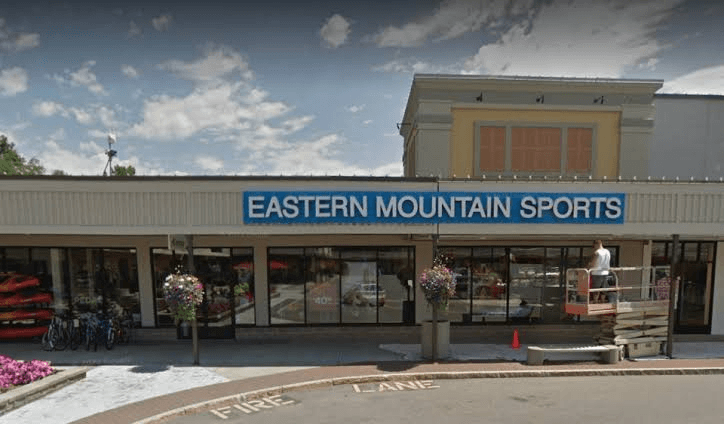

If you’ve seen headlines about Eastern Mountain Sports closing and you’re not sure what’s still open — or what happened to your gift cards or favorite store — the answer isn’t a simple yes or no.
EMS went through a serious bankruptcy in 2024. Dozens of stores closed. But the brand itself didn’t disappear. Here’s a clear breakdown of what happened, who owns EMS now, and what customers and observers should know today.
EMS Is Not Fully Gone — But It’s a Much Smaller Operation Now
Let’s start with the direct answer: Eastern Mountain Sports still exists, but it’s a fraction of what it once was.
The company’s legal parent — Mountain Sports LLC — filed for Chapter 11 bankruptcy in June 2024 and is being wound down. That entity is essentially finished. But the EMS brand itself was rescued. UK-based outdoor retailer Mountain Warehouse acquired the EMS brand, website, and seven core stores in September 2024 for approximately $10 million.
So the corporate structure that owned EMS is gone. The brand, in a smaller form, is not.
Think of it like a regional restaurant chain going bankrupt. The parent company folds, most locations close, but someone buys the name, the recipes, and a handful of profitable locations and reopens under the same brand. That’s roughly what happened here.
A Brief History of EMS and Its Years of Financial Trouble
Eastern Mountain Sports was founded in 1967 in Massachusetts. It grew into a well-known regional brand across the Northeast, selling outdoor gear and running instructional programs in climbing, paddling, and backcountry travel. For decades, it was a go-to shop for serious outdoor enthusiasts in the region.
But EMS had been financially unstable for years before 2024. Ownership changed hands multiple times — from Vestis Retail Group to Eastern Outfitters to GoDigital Media Group — each transition reflecting ongoing trouble rather than growth.
By 2017, Eastern Outfitters was already closing 27 of 51 EMS locations as part of an earlier bankruptcy restructuring. That’s more than half the chain gone seven years before the final filing. The 2024 collapse wasn’t a sudden shock — it was the end of a long, slow decline.
EMS also operated alongside Bob’s Stores under the same parent company, which added complexity and financial exposure across both brands.
What the 2024 Bankruptcy Actually Involved
Mountain Sports LLC — the parent company of both EMS and Bob’s Stores — filed Chapter 11 on June 18, 2024, in Delaware. The immediate trigger was that primary lender PNC Bank cut off funding, creating a sudden liquidity crisis the company couldn’t absorb.
The two brands took different paths from there. Bob’s Stores moved toward full closure. EMS’s fate was initially less clear, but a sale process began quickly.
During the bankruptcy, 14 EMS stores were slated for immediate closure across seven states. Going-out-of-business sales at non-core locations were set to wrap up by September 30, 2024. Some stores — including locations like West Lebanon and North Conway — stayed open during the process as potential candidates for the core store sale.
The bankruptcy estate itself is projected to return less than 3% to general unsecured creditors. That’s a signal of just how little value was left in the old entity by the time it filed. The prior corporate structure is effectively being wound down with almost nothing left for creditors after secured lenders are paid.
What Mountain Warehouse Bought and What That Means for EMS
Mountain Warehouse, a UK-based outdoor retailer, entered the process as the stalking-horse bidder — meaning it made the first formal offer that set the floor for any competing bids. Its initial bid was $5 million for the EMS brand, website, and seven profitable stores. The total deal value reached approximately $10 million once inventory and other assets were included.
No competing bids came in. The court approved the sale, and the deal closed around September 3, 2024.
Importantly, this was an asset purchase out of bankruptcy. Mountain Warehouse bought specific assets — the brand, the website, seven stores, and select inventory. It did not take on the debts or liabilities of the old entity. That’s a standard structure in bankruptcy asset sales, and it matters for customers wondering about old gift cards or warranties (more on that below).
Mountain Warehouse stated that EMS would continue as a standalone U.S. brand. The buying team is expected to remain based domestically. About 100 jobs were retained through the deal — a meaningful outcome for employees at the seven surviving locations, even as many others lost their positions when non-core stores closed.
Why Mountain Warehouse Made This Move
From a business strategy standpoint, the acquisition makes sense. Mountain Warehouse got established brand recognition, existing store infrastructure, a working e-commerce site, and a loyal regional customer base — all for roughly $10 million out of bankruptcy court.
Building that from scratch in the U.S. market would cost far more and take years. Acquiring a distressed but recognizable brand is a faster path to U.S. market entry, even if the brand comes with some baggage.
EMS has genuine equity in the Northeast outdoor community. That’s real value, even if the financials behind the old parent company were a mess.
What Customers Should Know Right Now
If you’re an EMS customer trying to figure out what this means practically, here are the key points.
Stores and Website
Seven core EMS stores remain open under Mountain Warehouse ownership. The EMS website also continues to operate for online purchases. If you’re used to having multiple EMS locations nearby, you may now have fewer options — or need to order online.
Gift Cards and Store Credits
This is the trickiest area. Because Mountain Warehouse did an asset purchase out of bankruptcy, it is generally not legally required to honor liabilities of the old entity — including gift cards issued before the sale — unless it specifically agreed to do so.
In most bankruptcy liquidations, pre-sale gift cards become unsecured claims against the old estate. Given that general unsecured creditors are projected to recover less than 3%, that’s essentially worthless.
That said, some new owners voluntarily honor old gift cards as a goodwill gesture to retain customers. It’s worth checking directly with EMS customer service or Mountain Warehouse to see if any program is in place. Don’t assume either way — ask.
Warranties and Returns on Old Purchases
Same principle applies. Mountain Warehouse didn’t assume the obligations of the old entity. If you have a warranty claim or return on gear purchased before the sale, contact current EMS customer service and ask how they’re handling those cases. There’s no guarantee they’ll honor it, but it’s worth asking before writing it off.
Why Mid-Size Outdoor Chains Keep Struggling
EMS’s collapse fits a familiar pattern. Sports Authority, Sport Chalet, and other mid-tier sporting goods retailers have faced similar fates over the past decade. The structural pressures are well-documented.
- Big-box competition: REI, Dick’s Sporting Goods, and similar chains have scale advantages that smaller regional retailers can’t match on price or inventory breadth.
- Online retail: Gear shoppers increasingly go to Amazon, brand websites, or specialty e-commerce sites. Physical store traffic has dropped across the category.
- High occupancy costs: Retail leases are expensive, and outdoor gear stores need significant floor space. When foot traffic softens, that fixed cost becomes a serious problem.
- Seasonal inventory risk: Outdoor gear is heavily seasonal. Bad weather, shifts in consumer interest, or supply chain missteps can leave a retailer holding expensive inventory with nowhere to move it.
EMS faced all of these pressures on top of years of ownership instability and debt carried through multiple restructurings. By the time the 2024 filing came, the company had already shed most of its stores.
For more coverage of business closures, retail trends, and what they mean for entrepreneurs and managers, visit First Business Mag.
The Bottom Line on EMS
Eastern Mountain Sports is not completely out of business, but it’s not the regional chain it once was either. The old corporate entity is being liquidated. The brand lives on in a scaled-down form — seven stores and a website — under Mountain Warehouse ownership.
Whether that smaller version of EMS can grow back into something meaningful is an open question. Mountain Warehouse has the resources and the strategic interest, but turnarounds in retail are never guaranteed. What’s clear is that the brand survived when it easily could have disappeared entirely.
For customers, the practical advice is straightforward: check which stores are still near you, verify the current status of any gift cards or warranties directly with EMS, and treat the new ownership as a fresh start rather than an extension of the old company’s obligations.
EMS is restructured and reduced — but it’s still around.
Also Read This: