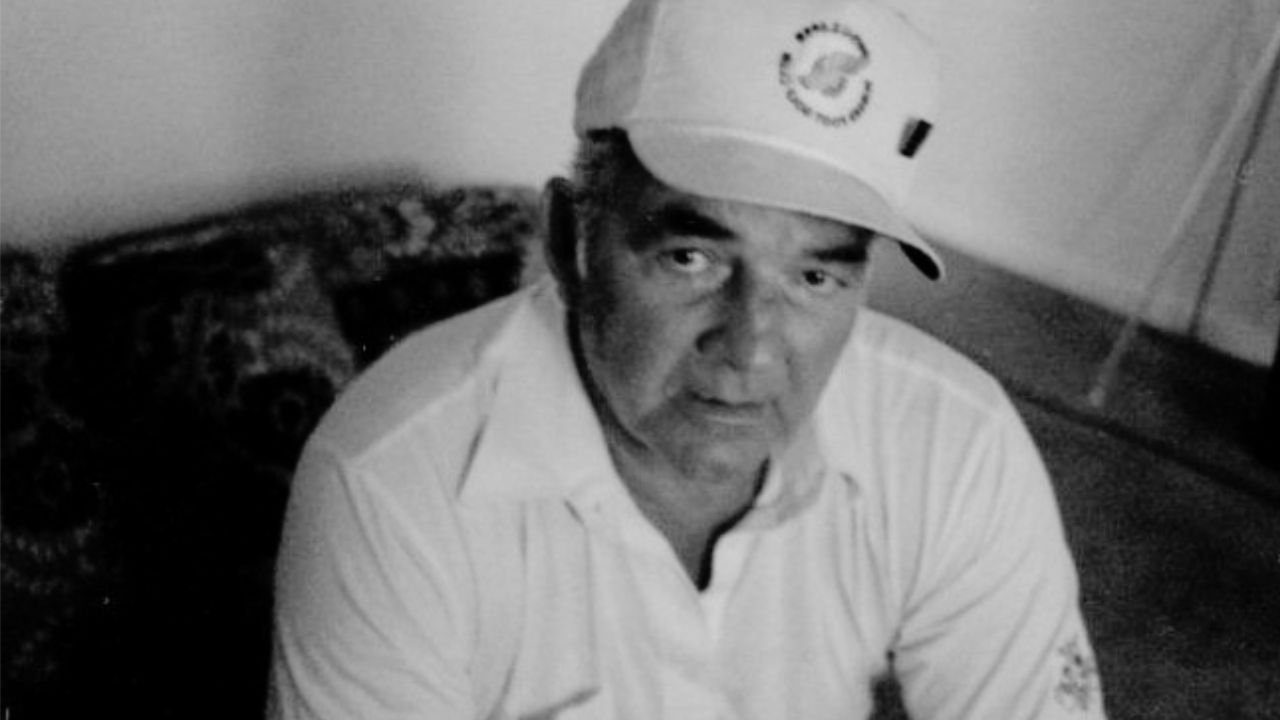

| Full name | William R. “Buddy” Quaid |
|---|---|
| Born | 1923 |
| Died | February 1987, Harris County, Texas |
| Age at death | 63 |
| Nationality | American |
| Profession | Electrician, occasional actor |
| Known for | Father of Dennis Quaid and Randy Quaid |
| Spouse | Juanita Bonniedale “Nita” Jordan Quaid (former) |
| Children | Randy Quaid, Dennis Quaid |
William R. “Buddy” Quaid lived most of his life well outside the entertainment world his sons would come to occupy. Born in 1923, he spent his working years in the Houston area as a professional electrician — a practical, grounded career that had little to do with Hollywood. Yet Buddy carried a genuine interest in acting that never quite left him, and that quiet passion would leave its mark on the next generation of his family.
He is best known today as the father of actors Dennis Quaid and Randy Quaid, but his own story is worth understanding on its own terms.
Who Was William “Buddy” Quaid?
He went by Buddy rather than William throughout his life. A longtime Houston-area resident, he built his career in the electrical trade and was a member of the Master Electrician’s Association — a credential that reflects professional standing within the industry. By most accounts, electrical work was his livelihood and his primary occupation for the bulk of his adult life.
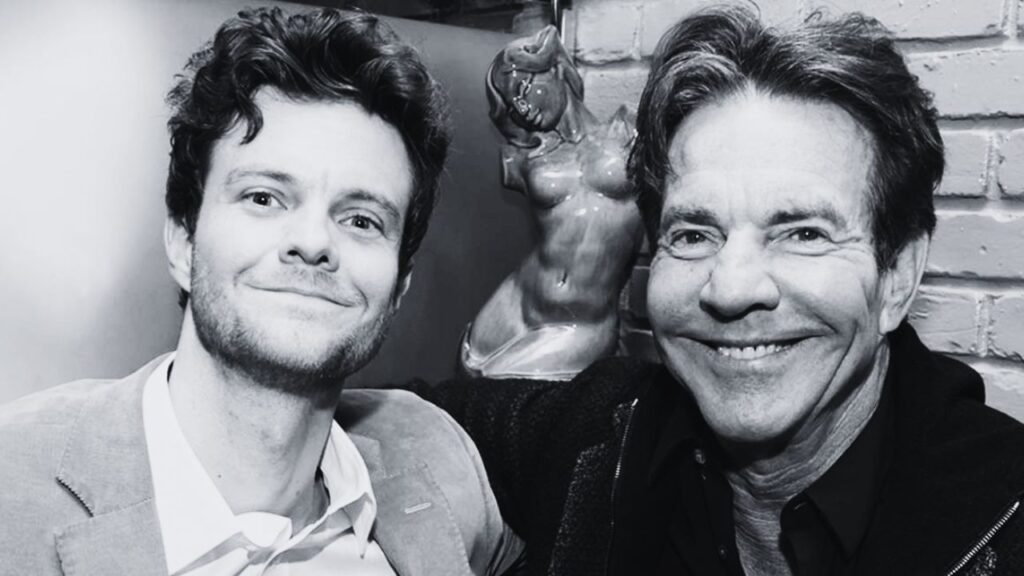
His family settled in Bellaire, a suburb just southwest of Houston, where he and his wife Nita raised their sons. Contemporary reporting described him simply as a longtime Houston resident with deep roots in the area.
Buddy Quaid died in February 1987 at the age of 63 in Harris County, Texas, which encompasses Houston and its immediate surroundings.
A Genuine Interest in Acting
Alongside his electrical career, Buddy maintained a real, if modest, connection to the acting world. He held a membership in the Screen Actors Guild, which placed him within the formal structure of the industry rather than on its fringes. Britannica describes him as a “frustrated actor,” a phrase that suggests acting was a sincere personal interest he never fully got to pursue — not just an occasional curiosity.
He did accumulate a small number of screen credits. His most clearly documented acting appearance came in the 1983 British film Local Hero, directed by Bill Forsyth, in which he was credited as “Crabbe.” The film became well-regarded internationally, and Buddy’s appearance in it — however brief — represents his strongest documented acting work.
He also appeared in LBJ: The Early Years (1987), a television film in which his son Randy Quaid played President Lyndon B. Johnson. Buddy’s role in that production was as an extra rather than a speaking part, but the fact that he turned up in the same project as his son adds a certain personal dimension to the story.
His acting work was clearly secondary to his life as an electrician. He was never a working actor in any sustained professional sense, and his credits are few. But the SAG membership and the on-screen appearances confirm that his interest in performing was more than passive.
The Quaid Family
Buddy was formerly married to Juanita Bonniedale “Nita” Jordan Quaid, with whom he had his two well-known sons. Randy Quaid, born in 1950, went on to become an actor recognized for a wide range of film and television roles. Dennis Quaid, born in 1954, followed a similar path and became one of the more prominent American actors of his generation.
The family’s home in Bellaire gave both boys a suburban Houston upbringing far removed from the film industry. Whatever drew them toward acting did not come from growing up near Hollywood — it came from something closer to home.
How Buddy Quaid Shaped Dennis Quaid’s Path?
Dennis Quaid has described his father as a frustrated actor, and that characterization appears consistently in biographical accounts of Dennis’s early life and influences. The idea is that Buddy’s unfulfilled desire to perform — combined with his tangible if limited participation in the industry through SAG membership and occasional screen appearances — created an atmosphere in which acting felt like a real possibility rather than an unreachable fantasy.
Buddy didn’t push his sons toward Hollywood or provide industry connections. He was an electrician in Texas, not a showbusiness insider. But his own draw toward performing gave the household a certain orientation, and both his sons ultimately chose acting as their profession.
By the time Buddy died in February 1987, Dennis was already an established actor in his early thirties, with films like The Right Stuff, Footloose, and Enemy Mine already behind him. Randy, too, had built a substantial career. Buddy lived long enough to see both sons succeed in the world he himself had only been able to touch at the edges.
For readers interested in the broader context of careers shaped by family background and early influences, First Business Mag covers stories at the intersection of personal history and professional development.
Buddy Quaid spent his life doing practical work — wiring buildings, running a trade, raising a family in a Houston suburb. His acting ambitions were real but modest, and the public record of his life reflects that. He was not a celebrity, and he didn’t become one. What he left behind was a family, a small collection of screen credits, and a household in which the idea of performing for an audience was taken seriously enough that two of his sons made it their life’s work.