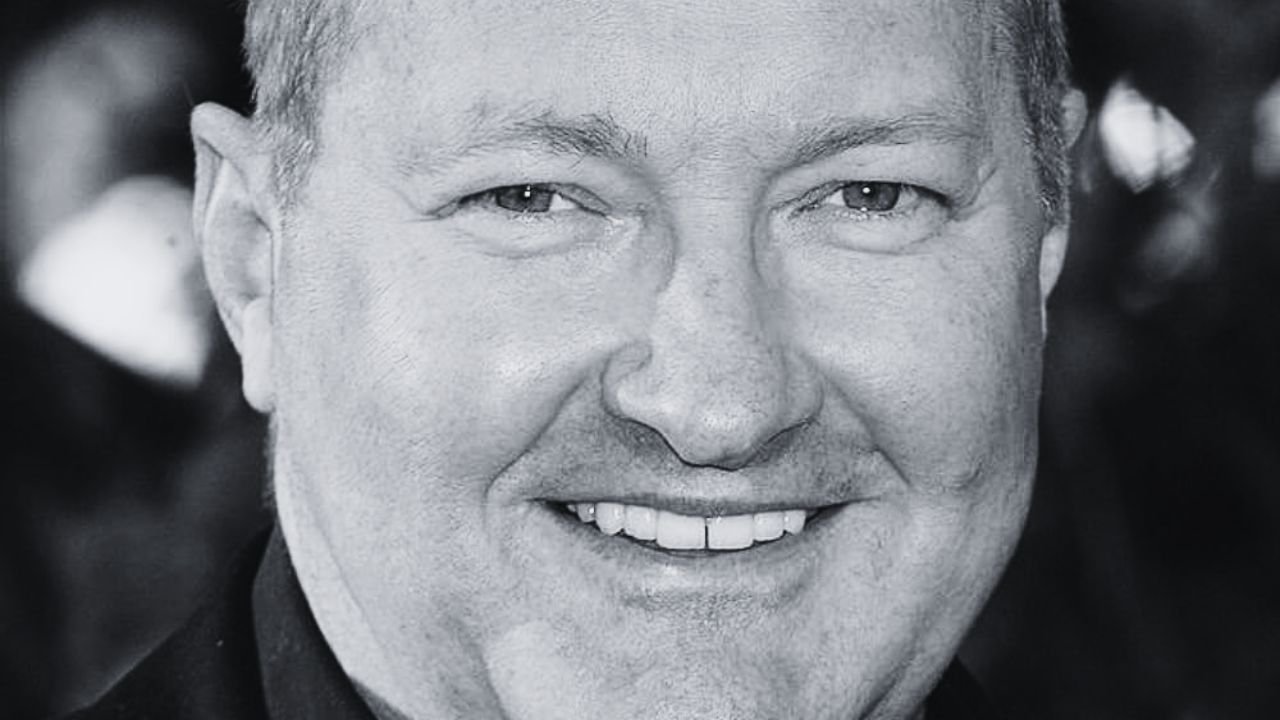

| Full name | Randall Rudy Quaid |
|---|---|
| Born | October 1, 1950, Houston, Texas |
| Nationality | American |
| Profession | Actor |
| Known for | The Last Detail, National Lampoon’s Vacation, Independence Day, LBJ: The Early Years |
| Parents | William R. “Buddy” Quaid; Juanita Bonniedale “Nita” Jordan Quaid |
| Relationship | Older brother of Dennis Quaid |
Randy Quaid has been a recognizable name in Hollywood since the early 1970s, long enough to accumulate an Oscar nomination, a Golden Globe win, and a string of film roles that most audiences remember even if they can’t immediately place the name. He is also, perhaps most commonly, identified as the older brother of actor Dennis Quaid. That connection is real, but it tells only part of the story. Randy built a career on his own terms, earning serious critical attention before his younger brother had become a household name.
Who Is Randy Quaid?
Randy Quaid was born Randall Rudy Quaid on October 1, 1950, in Houston, Texas. He grew up in Bellaire, a suburb of Houston, where he was raised alongside his younger brother Dennis. The two would both eventually find their way to professional acting, though Randy got there first.
His screen career began in the early 1970s and quickly gained traction. Over the decades that followed, he appeared in a wide range of productions — from serious dramatic films to broad studio comedies — and built a reputation as a reliable, often scene-stealing performer. In 2003, that body of work was recognized with a star on the Hollywood Walk of Fame.
The Roles That Defined His Career
Randy Quaid’s breakthrough came in 1973 with The Last Detail, a drama directed by Hal Ashby in which he appeared alongside Jack Nicholson. His performance as a young Navy prisoner being escorted to military jail caught the attention of critics and awards bodies alike, and it announced him as a serious dramatic talent early in his career.
That early credibility didn’t push him toward a single type of role. In 1978, he appeared in Midnight Express, a gritty and intense dramatization of an American’s imprisonment in Turkey. The film was a critical success and further demonstrated that Quaid could hold his own in demanding material.
On the comedic side, he became widely recognized for playing Cousin Eddie in the National Lampoon’s Vacation franchise — a cheerfully oblivious character who arrived in each film and immediately disrupted everything around him. It’s the kind of role that sticks, and for many audiences it remains the first thing that comes to mind when his name is mentioned.
He also delivered a memorable supporting performance in the 1996 blockbuster Independence Day, playing Russell Casse, a down-on-his-luck crop duster who plays a pivotal role in the film’s climax. The role gave him another generation of viewers and showed that he could fit naturally into large-scale Hollywood productions.
His other notable credits include the Farrelly Brothers comedy Kingpin (1996), in which he played an overbearing bowling champion, and Ang Lee’s Brokeback Mountain (2005), a film that earned widespread critical praise.
In television, his most significant work came in 1987 with the NBC biographical film LBJ: The Early Years, where he took on the role of President Lyndon B. Johnson. Playing a sitting American president is the kind of performance that tends to be either praised or quietly forgotten. In Quaid’s case, it was very much the former.
Award Recognition and Critical Acclaim
Randy Quaid has received more formal recognition from the industry than his supporting roles might suggest to a casual viewer.
His performance in The Last Detail earned him nominations for the Academy Award, the BAFTA Award, and the Golden Globe — all for Best Supporting Actor. He did not win any of the three, but receiving nominations from all three major bodies for the same role was a significant marker of how well the performance was received.
The Golden Globe win came later, for LBJ: The Early Years. His portrayal of Lyndon Johnson earned him the Golden Globe for Best Actor in a Miniseries or Television Film, along with a nomination for the Primetime Emmy Award in the same category. The Emmy nomination added further weight to what was already his most-decorated individual performance.
Taken together, the nominations and the win across film and television reflect a career that operated at a genuinely competitive level for an extended period. For more profiles and coverage of actors and public figures, First Business Mag covers a wide range of entertainment and public interest stories.
The Quaid Family: Parents and His Brother Dennis
Randy Quaid was raised by his father, William R. “Buddy” Quaid, who worked as an electrician, and his mother, Juanita Bonniedale “Nita” Jordan Quaid, who worked in real estate. The family settled in Bellaire, Texas, where both Randy and his younger brother Dennis Quaid spent their formative years.
Randy is the elder of the two brothers. He entered the film industry first, and his early success — particularly the Oscar nomination for The Last Detail — came before Dennis had established himself as a star. The two brothers pursued separate careers rather than overlapping ones, though both became known to wide audiences across film and television.
Dennis Quaid has gone on to a long and prominent Hollywood career of his own, but within the family, Randy came first both in birth and in professional recognition.
Randy Quaid’s career spans more than four decades, takes in some of the most commercially successful films of the 1980s and 1990s, and includes work that earned nominations at the highest levels of the industry. He is more than a footnote in his younger brother’s story — he is an independently recognized performer whose work has held up across a long stretch of American film and television history.