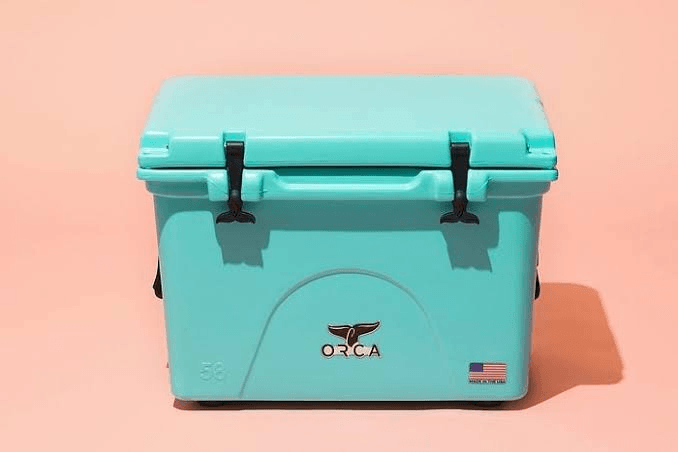

If you’ve searched for Orca coolers recently and found mixed results—some sources saying the brand is fine, others suggesting it’s gone—there’s a straightforward explanation. The information online hasn’t caught up with reality. Here’s a clear answer.
Orca Coolers Has Ceased Operations
Yes, Orca Coolers is out of business. This isn’t a rumor or speculation.
Orca (Outdoor Recreation Company of America) officially ceased operations effective January 24, 2025. Parent company Gathr Outdoors sent an email to dealers confirming that all procurement and marketing operations had stopped as of that date.
Gathr Outdoors described the decision as “difficult” and said it was made after “extensive deliberation and careful consideration.” Open orders were to be fulfilled, and any remaining inventory would be sold while supplies last.
This is not a temporary pause or a rebrand. Production is done, marketing is done, and no new inventory is being made. The brand is winding down.
How Orca Got Here — A Brief Ownership Timeline
Orca started as an independent premium cooler and drinkware brand based in Nashville, Tennessee. It built a reputation as a serious competitor in the high-end cooler market, known for durable rotomolded construction and bear-resistant designs.
In 2020, a company called MacNeill Pride Group (MPG) acquired Orca. MPG described Orca at the time as a leading supplier of premium coolers, drinkware, and outdoor accessories. The acquisition was framed as a growth move, adding a respected brand to MPG’s portfolio.
In 2022, MPG rebranded as Gathr Outdoors, positioning itself as a diversified sporting goods holding company. Orca became one brand among several within that portfolio.
Then in January 2025, Gathr Outdoors made the call to shut Orca down entirely.
This pattern—independent brand, acquisition by a holding company, portfolio review, shutdown—is not unusual in niche consumer goods. Holding companies regularly consolidate underperforming or overlapping brands. Whether Orca was unprofitable, redundant within Gathr’s lineup, or simply not meeting performance targets isn’t confirmed publicly. But the business arc is familiar.
Why You Still See Orca Products for Sale
This is where a lot of the confusion comes from. You can still find Orca coolers listed on Amazon, outdoor retailer websites, and possibly on local store shelves. That doesn’t mean the brand is still operating.
Retailers who purchased Orca inventory before January 2025 can legally continue selling that stock. No new product is coming, but existing units can still be sold until they’re gone. This is a normal part of any wind-down—distributors and retailers work through what they have.
Think of it like a clothing brand that stops production but still has items sitting in warehouses and stores for months afterward. Seeing a product on a shelf doesn’t mean the company is actively running.
Some retailers may even discount remaining Orca inventory to move it faster. You might see “last chance” framing or clearance pricing on units that were already in the supply chain before the shutdown.
There’s also a separate issue: older blog posts and articles published before early 2025 stated that there was “no official announcement” of Orca closing and told readers not to worry. That content is now outdated and incorrect. The January 2025 email to dealers is the official announcement. Any article written before that date simply didn’t have the information.
What This Means If You Own an Orca Cooler or Plan to Buy One
If You Already Own an Orca Cooler
Warranty support is the main concern. When a brand ceases operations, warranty fulfillment depends entirely on whether the parent company has made arrangements to honor it. Gathr Outdoors has not publicly confirmed any ongoing warranty support for Orca products.
If you have a warranty claim, here’s what you can do right now:
- Locate your original purchase receipt and any warranty documentation.
- Contact Gathr Outdoors directly to ask about their post-shutdown support policy.
- Check the Better Business Bureau listing for Orca Coolers, which still has contact information on file.
- Ask the retailer you bought from whether they offer any independent coverage or return flexibility.
Don’t assume the warranty is still active. Verify it before you need it.
If You’re Thinking About Buying an Orca Cooler Now
The physical product hasn’t changed. Orca coolers were well-reviewed for ice retention, build quality, and durability. OutdoorGearLab noted the Orca 40’s strong performance even after the January 2025 manufacturing halt was announced. A cooler that was good before the shutdown is still a well-made cooler.
But buying a product from a defunct brand comes with real trade-offs. There will be no warranty support you can count on. Replacement parts, lids, latches, or gaskets will become harder to find over time. Customer service won’t exist. If something breaks, you’re likely on your own.
If you find a deeply discounted Orca cooler and you understand those limitations, it could still be a reasonable buy—especially for casual use where long-term support matters less. If you’re spending a significant amount and expecting multi-year coverage, a brand that’s actively operating is the safer choice.
The Broader Market Context
Orca operated in one of the most competitive segments in outdoor gear: the premium rotomolded cooler market. Yeti dominates that space. RTIC competes hard on price. Igloo, Grizzly, and others fill out the field.
Breaking into and sustaining a position in that market is genuinely difficult. Yeti’s brand recognition is strong enough that many consumers don’t seriously compare alternatives. For a smaller brand like Orca, competing required either a clear price advantage, a unique feature set, or a marketing budget significant enough to build awareness. Maintaining all three is expensive.
This is the broader challenge for niche premium brands: making a good product is one problem, and building the distribution and marketing to compete at scale is a separate, larger one. Acquisition by a holding company can help with capital and infrastructure, but it also means performance targets and portfolio decisions that the original brand didn’t face alone.
Orca’s closure fits a wider pattern of consolidation in outdoor gear. Holding companies acquire promising brands, integrate them into a portfolio, and then make hard calls when those brands don’t perform as expected. It’s a business decision, not necessarily a reflection of product quality.
If you follow trends in business acquisitions and brand management, resources like First Business Mag cover these kinds of market shifts in consumer goods and outdoor industry sectors.
Will Orca Come Back?
There’s no public information suggesting Gathr Outdoors plans to revive Orca, sell the brand to another operator, or license the name. As of now, the shutdown appears final.
That said, brand IP sometimes gets purchased after a wind-down. It has happened in other outdoor gear categories. But without any confirmed announcement, treating a potential comeback as likely would be speculation. If anything changes, it will be announced through Gathr Outdoors or picked up by outdoor trade publications.
The Bottom Line
Orca Coolers has ceased operations as of January 24, 2025. The parent company, Gathr Outdoors, confirmed the shutdown in a dealer email. Production has stopped, marketing has stopped, and no new inventory is being made.
Products you see for sale are leftover retail stock. They’re legitimate units, but they come without the brand support that typically backs a premium cooler purchase.
If you own one, check on your warranty status now rather than waiting until you need it. If you’re considering buying one, weigh the discount against the fact that you’re buying into a product with no ongoing support structure behind it.
Orca made a quality cooler. The business, however, is done.
Also Read This: