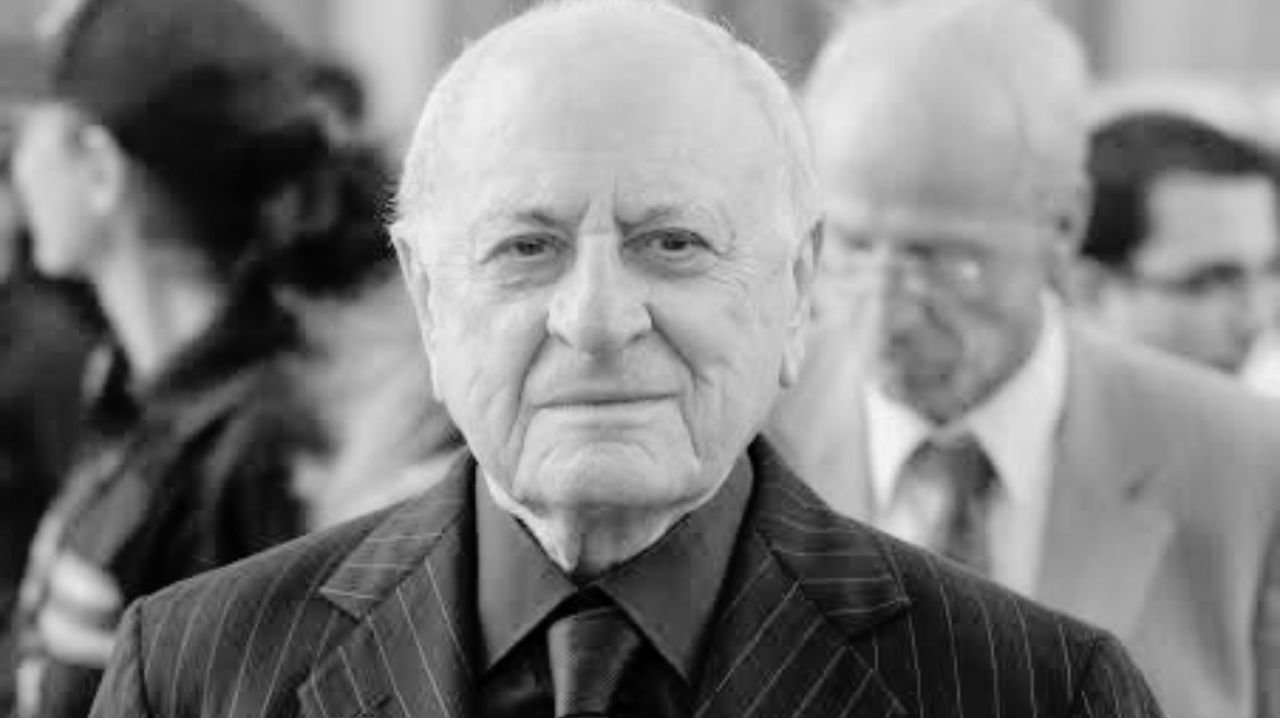

| Full name | Pierre Bergé |
|---|---|
| Born | 14 November 1930, Île d’Oléron, France |
| Died | 8 September 2017, Saint-Rémy-de-Provence, France |
| Age at death | 86 |
| Nationality | French |
| Profession | Businessman, publisher, arts patron, cultural administrator |
| Known for | Co-founding the Yves Saint Laurent fashion house |
| Parents | Civil servant father; schoolteacher and amateur soprano mother |
| Spouse | Madison Cox (married March 2017) |
| Relationship to Yves Saint Laurent | Longtime partner and business co-founder |
Pierre Bergé is most often described as the man behind Yves Saint Laurent, but that framing sells him short. He was a co-founder, financier and chief executive of one of fashion’s most celebrated houses, and he built a parallel career in publishing, opera, museums and arts patronage that would have marked him as a significant figure even without the fashion connection. Across six decades of French cultural life, he was rarely on the sidelines.
From Île d’Oléron to Paris — Bergé’s Early Life
Bergé was born on 14 November 1930 on Île d’Oléron, a small Atlantic island off the western coast of France. His father worked as a civil servant; his mother was a schoolteacher with a passion for singing as an amateur soprano. The family later settled partly in La Rochelle, where Bergé attended high school and completed his diploma.
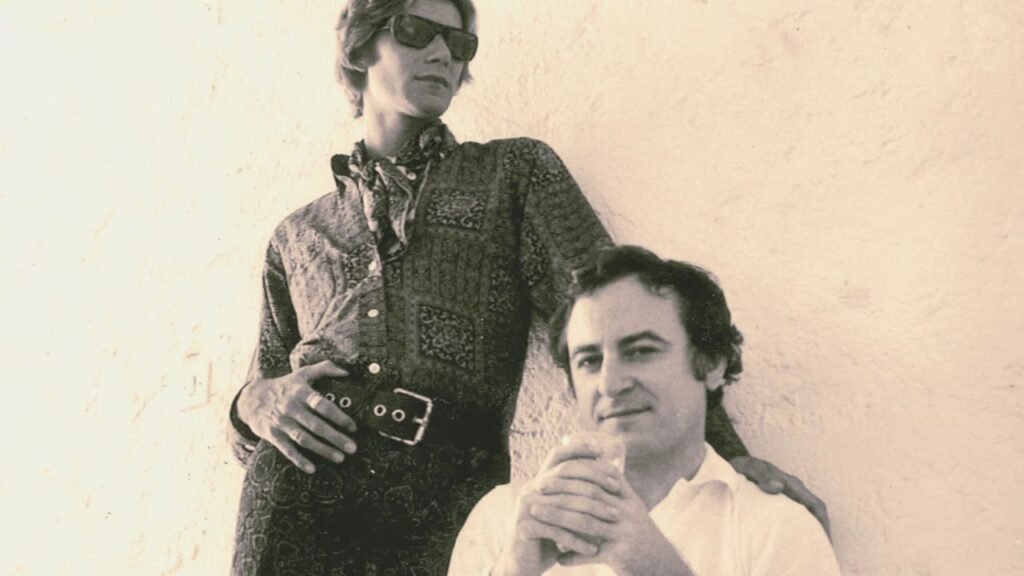
Rather than continue into formal higher education, he left La Rochelle for Paris with ambitions in journalism. That decision to arrive in the capital young, without an academic credential, and make his way through sheer initiative shaped everything that followed. Paris in the early 1950s was a city where cultural connections and personal drive could open doors that degrees could not.
The Meeting That Changed Fashion
In February 1958, Bergé met Yves Saint Laurent at a dinner connected to Saint Laurent’s work. Saint Laurent was already a striking presence in Paris fashion, and the connection between the two men was immediate — both personal and professional from the outset. The Musée Yves Saint Laurent Paris describes their relationship as fundamental to what they would build together.

Within three years, they had turned that connection into a business. On 4 December 1961, the Yves Saint Laurent haute couture house officially opened. Bergé had secured the financing and organised the company’s structure. Saint Laurent would design; Bergé would run everything else. It was a clear division of roles that proved remarkably durable.
Their romantic relationship eventually ended in the 1980s, but the professional partnership held firm. Bergé continued to manage the fashion house, and the two remained lifelong collaborators until Saint Laurent’s retirement in 2002.
Running the House — Bergé’s Role at Yves Saint Laurent
For roughly four decades, Bergé served as chief executive of the Yves Saint Laurent fashion house. His contribution was not creative — he never claimed it was — but it was essential. He found the initial funding that made the launch possible, handled the business operations that kept it running and navigated the commercial pressures that destroy many couture houses.
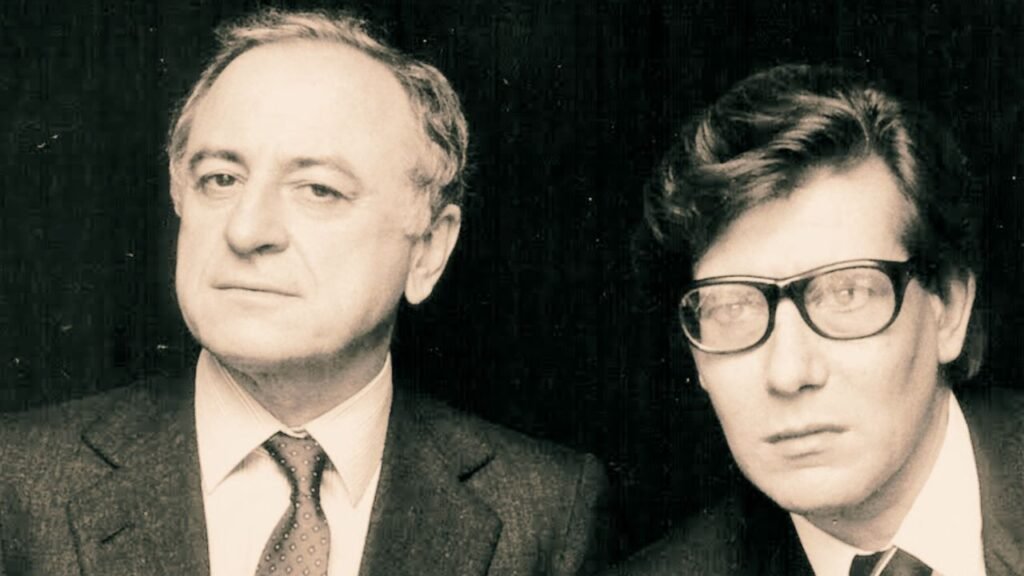
His standing in the French fashion industry extended well beyond one house. In 1974, he was elected president of the Chambre Syndicale des Couturiers, the body representing French haute couture at its highest institutional level. In 1986, he helped establish the Institut français de la mode, an organisation dedicated to fashion education and industry development. These were not honorary positions; they reflected real influence over how French fashion organised and presented itself to the world.
A Career Beyond Fashion — Publishing, Opera and the Arts
Bergé’s cultural ambitions never stopped at the fashion house doors. He co-founded the magazine Globe and was among the founders of Courrier international, the French weekly that translates and publishes articles from newspapers around the world. In 2010, he became a shareholder in Le Monde and served as chairman of its supervisory board. He also became involved with L’Obs, extending his reach across a significant portion of the French press landscape.
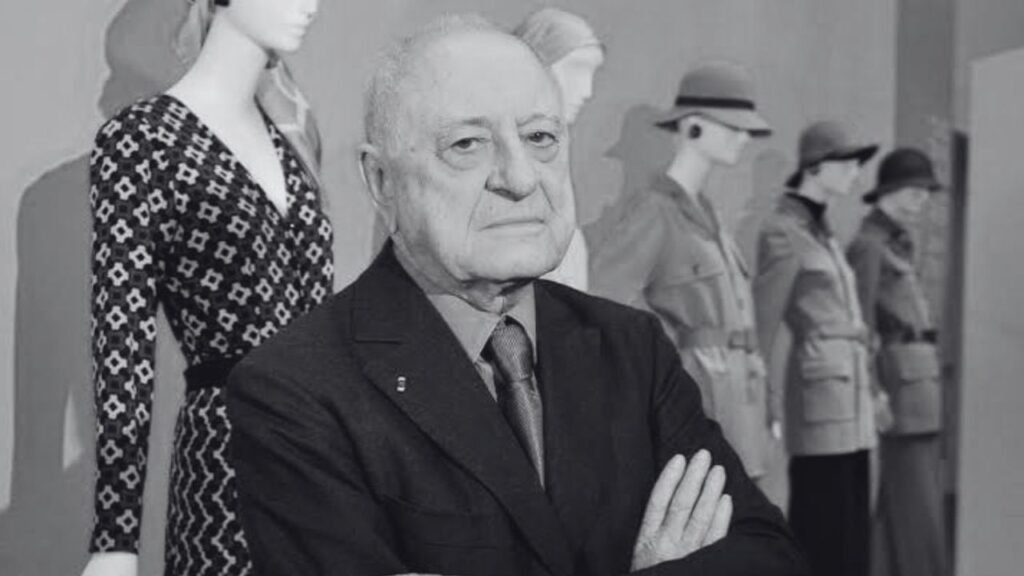
Opera and theatre claimed equal attention. He owned the Théâtre de l’Athénée in Paris and held leadership roles at the Paris Opera. In 2001, he was named Grand Patron of Arts and Culture, a recognition of his sustained commitment to French cultural institutions. That commitment had a practical dimension too: he supported acquisitions for the Louvre and contributed to arts projects at London’s National Gallery. For Bergé, patronage meant hands-on engagement, not just writing cheques.
He was also a consistent public voice on LGBT rights, using both his platform and his personal history to advocate openly at a time when many figures in similar positions chose silence.
Preserving a Legacy — The Foundation and Museums
When Saint Laurent retired in 2002, Bergé turned significant energy toward protecting and presenting the designer’s body of work. The Fondation Pierre Bergé–Yves Saint Laurent became the institutional vehicle for that effort. Under its umbrella, two museums took shape: the Musée Yves Saint Laurent in Paris and a companion museum in Marrakech, where Saint Laurent had long found inspiration. These were not vanity projects; they represented a serious archival and curatorial commitment to one of the twentieth century’s most significant design archives.
Bergé worked to ensure that the work Saint Laurent produced over more than four decades would be accessible, properly preserved and contextualised for future generations. It was the kind of long-horizon thinking that defined much of his career. Readers interested in the full scope of that creative partnership can find more at the Yves Saint Laurent page.
Marriage and Death
In March 2017, Bergé married Madison Cox, a landscape architect who served as director of the Fondation Jardin Majorelle in Marrakech. The marriage came late in his life and only months before his death.
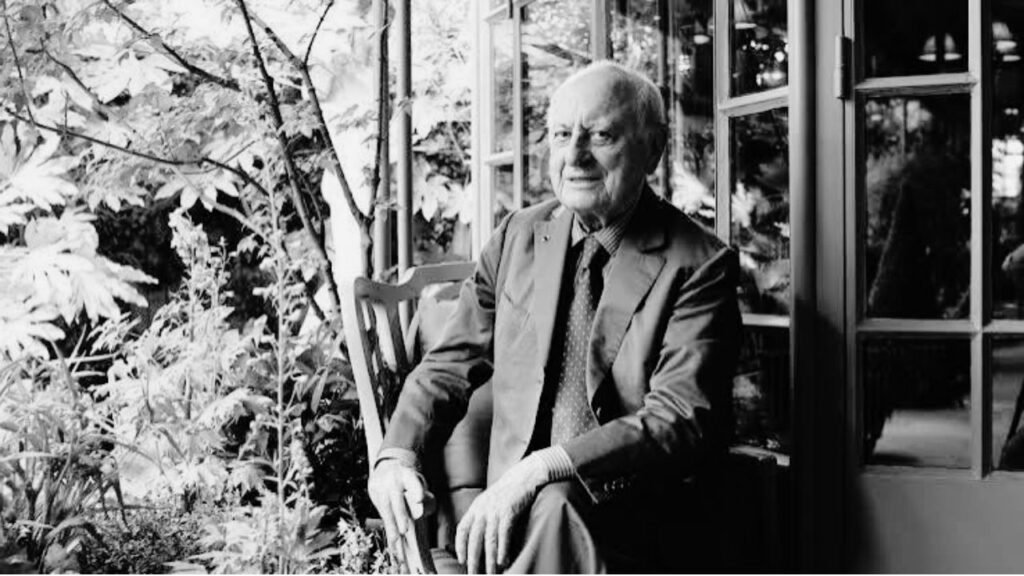
Bergé died on 8 September 2017 in Saint-Rémy-de-Provence, at age 86. He had spent the better part of six decades at the centre of French fashion and cultural life, and his death drew tributes from across those worlds. For those wanting broader context on French business and cultural figures, First Business Mag covers a wide range of profiles and industry perspectives.
What he left behind was substantial: a fashion house he helped build from nothing into a global name, a foundation committed to preserving its creative legacy, and an independent record in publishing, opera and arts patronage that few figures in any single field could match. Pierre Bergé was, by any reasonable measure, a builder — of companies, of institutions and of the conditions that allow serious creative work to survive.
Sources
- Musée Yves Saint Laurent Paris — Birth and Early Years on the Île d’Oléron
- Musée Yves Saint Laurent Paris — Pierre Bergé: The Meeting
- Musée Yves Saint Laurent Paris — Creation of the Yves Saint Laurent Haute Couture House
- The New York Times — Pierre Bergé, Transformative Fashion Executive and Opera Czar, Dies at 86
- Le Monde — Mort de Pierre Bergé, mécène et ancien PDG d’Yves Saint Laurent