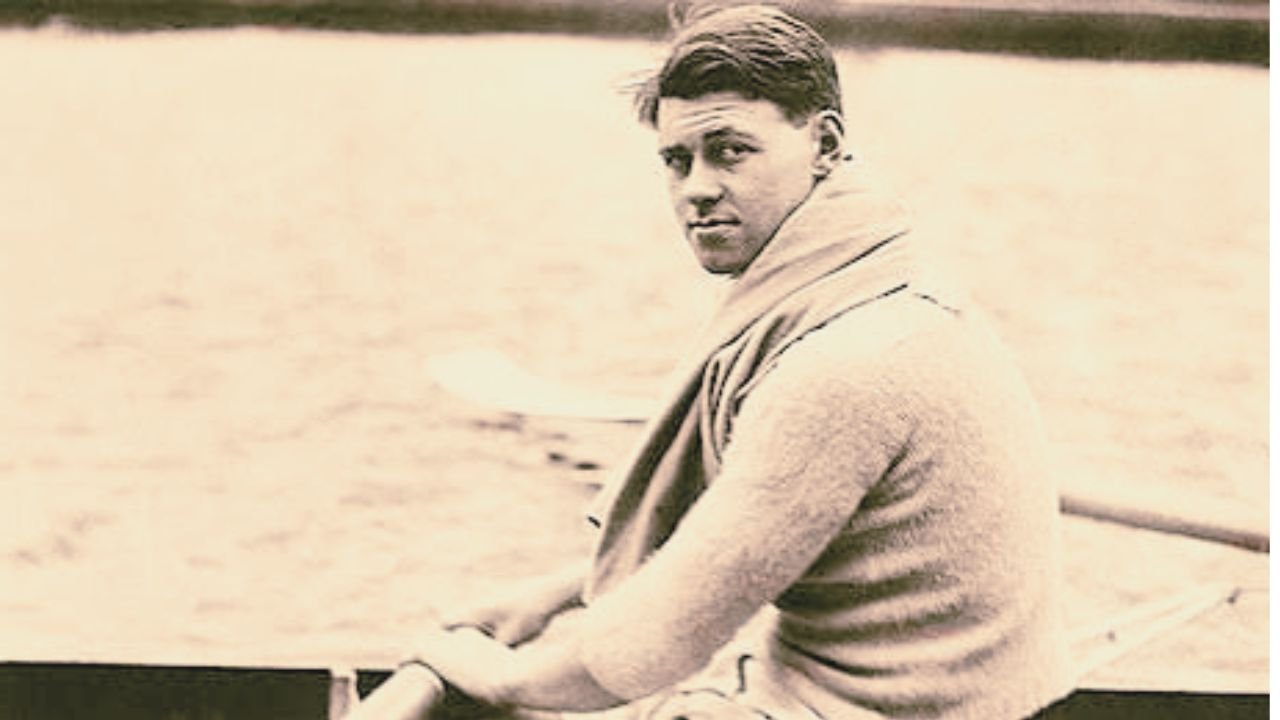

| Full name | William George Ranald Mundell Laurie |
|---|---|
| Known as | Ran Laurie |
| Born | 4 June 1915, Grantchester, Cambridgeshire, England |
| Died | 19 September 1998, Hethersett, Norfolk, England |
| Nationality | British |
| Professions | Physician, colonial administrator, Olympic rower |
| Known for | 1948 Olympic gold medal, coxless pairs (with Jack Wilson) |
| Spouse | Patricia Laidlaw (m. 1944; died 1989); Mary Arbuthnot (m. 1990) |
| Children | Charles, Susan, Janet, Hugh Laurie |
Ran Laurie lived three quite different professional lives over the course of eight decades. He was an Olympic rowing champion, a colonial administrator who served in Sudan, and a general practitioner who spent roughly three decades caring for patients in Oxford. Most people who encounter his name today do so because he was the father of actor and comedian Hugh Laurie, but his own biography has plenty worth knowing on its own terms.
He was born William George Ranald Mundell Laurie on 4 June 1915 in Grantchester, Cambridgeshire, and died on 19 September 1998 in Hethersett, Norfolk.
Education and Early Rowing at Cambridge
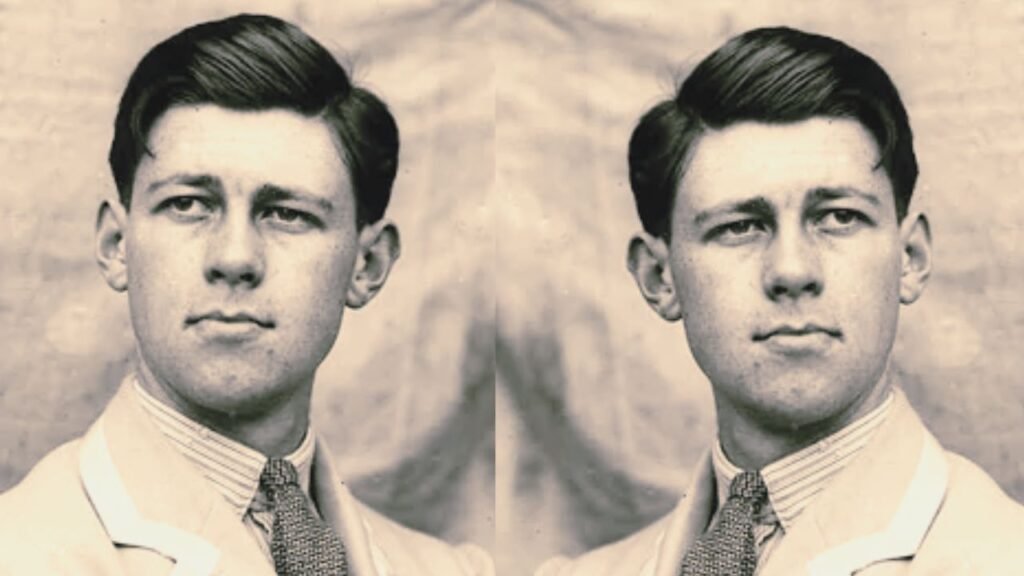
Ran Laurie was educated at Monkton Combe School in Somerset before going up to Selwyn College, Cambridge. It was at Cambridge that his rowing career took shape in earnest. He and Jack Wilson rowed together for the university and won three Cambridge Boat Races as a pair. The partnership would go on to define both men’s sporting lives for years.
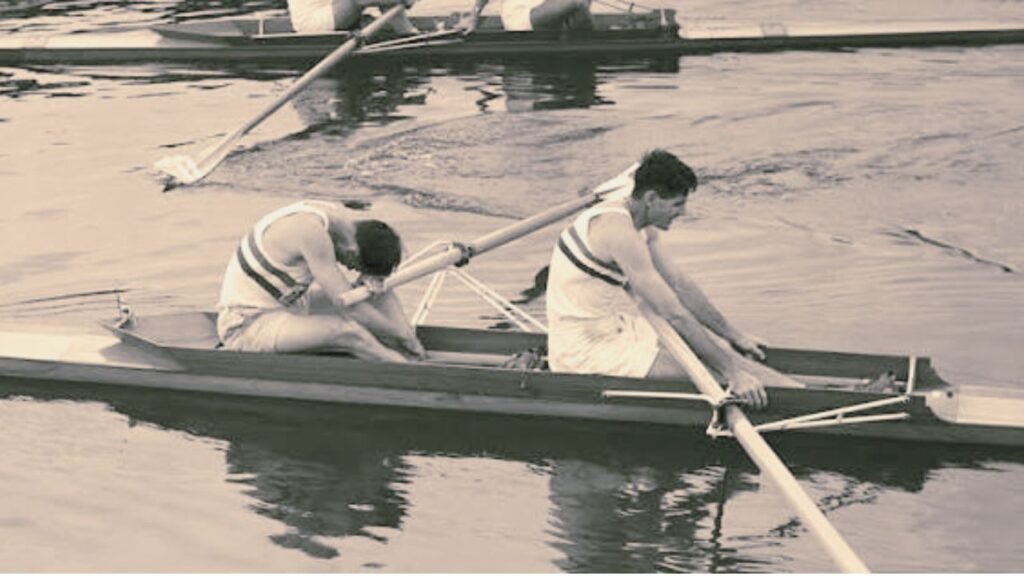
In 1938 the pair also won the Silver Goblets at Henley Royal Regatta, the prestigious coxless pairs event that has been a fixture of the English rowing calendar since the nineteenth century. That victory signalled that Laurie and Wilson were among the best pairs rowers in the country, and it set up expectations for the Olympics.
Two Olympics and a Gold Medal
Ran Laurie first competed at the Olympics in 1936, when he was part of the British men’s eight at the Berlin Games. The crew performed creditably but finished fourth, missing the medals. It was a strong result for a young rower, but not the outcome anyone hoped for.
Between the two Olympics, Laurie’s life took him well away from the rowing course. He went to Sudan to serve in the Sudan Political Service, and Jack Wilson did the same. When both men returned to competition ahead of the 1948 London Olympics, they had spent years in the African desert rather than on the water. The pair were reportedly nicknamed the “Desert Rats” as a result — a reference to the conditions of their colonial service rather than any military connection.
Their time away from the sport did not blunt their ability. Competing together in the men’s coxless pairs at the 1948 London Olympics, Laurie and Wilson won the gold medal. It was a remarkable achievement under any circumstances, and all the more so given how long both men had been away from competitive rowing. The victory at a home Games, in front of a British crowd, made it one of the more memorable stories of those particular Olympics.
That same year, Laurie and Wilson also won the Silver Goblets at Henley for the second time, completing a tidy symmetry with their 1938 success at the same event.
Service in Sudan and Medicine in Oxford
Laurie’s connection to Sudan was not a brief interlude. He served in the Sudan Political Service, a British colonial administration that managed what was then Anglo-Egyptian Sudan. The service was known for attracting men with strong academic backgrounds, often from Oxford and Cambridge, and Laurie fitted that profile having come through Selwyn College.
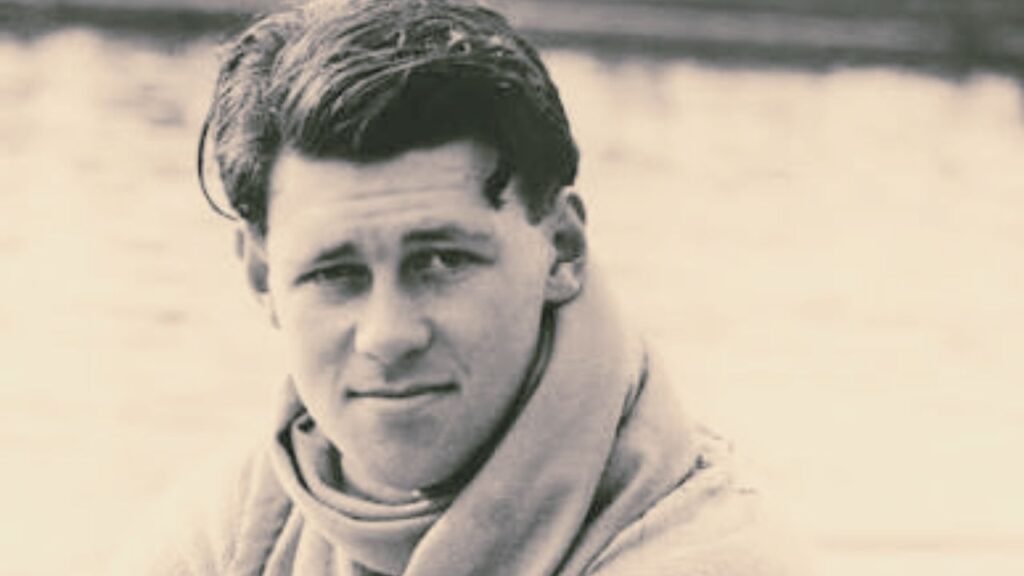
After his colonial service and Olympic success, Laurie qualified as a doctor and built a career in general practice. He worked as a GP in Oxford for roughly three decades, a long and steady commitment to medicine that made up the largest portion of his working life. The 1948 gold medal may be the fact that gets recorded in sporting histories, but general practice in Oxford was what he did day to day for most of his adult years.
The Laurie Family
Ran Laurie married Patricia Laidlaw in 1944. Together they had four children — two sons and two daughters. Charles was the eldest son, and the family also included daughters Susan and Janet. The youngest child was Hugh Laurie, who went on to study at Selwyn College, Cambridge — the same college as his father — and rowed for the university before pursuing a career as an actor and comedian.
Patricia Laurie died in 1989. The following year, Ran married Mary Arbuthnot, and he remained in her company until his death in 1998.
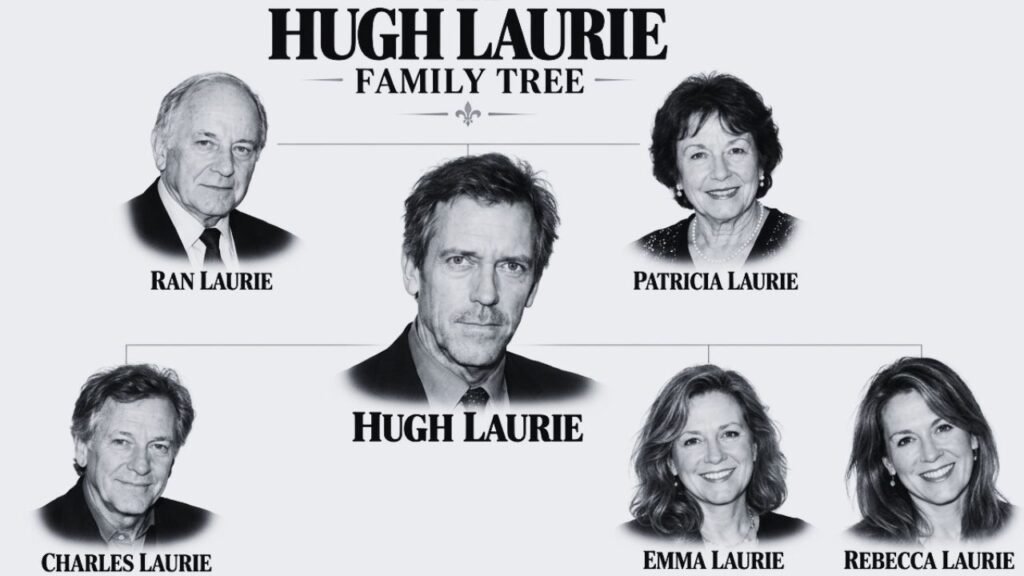
The connection between Ran Laurie and his son Hugh is a natural point of interest, but the family’s Cambridge and rowing threads run through more than one generation. Ran’s path through Selwyn College, the Boat Race and on to Olympic gold was one Hugh was aware of growing up, and it fed into his own time at Cambridge before he took a very different direction professionally.
Readers interested in exploring wider British sporting history and family stories from this era will find further reading on First Business Mag.
Ran Laurie died on 19 September 1998 in Hethersett, Norfolk, at the age of 83. He left behind a family, a medical legacy in Oxford, and a gold medal that still stands as one of the more unusual achievements in British Olympic rowing history — won by two men who had spent the years between their two Games administering a colonial territory in Africa rather than training on the Thames.