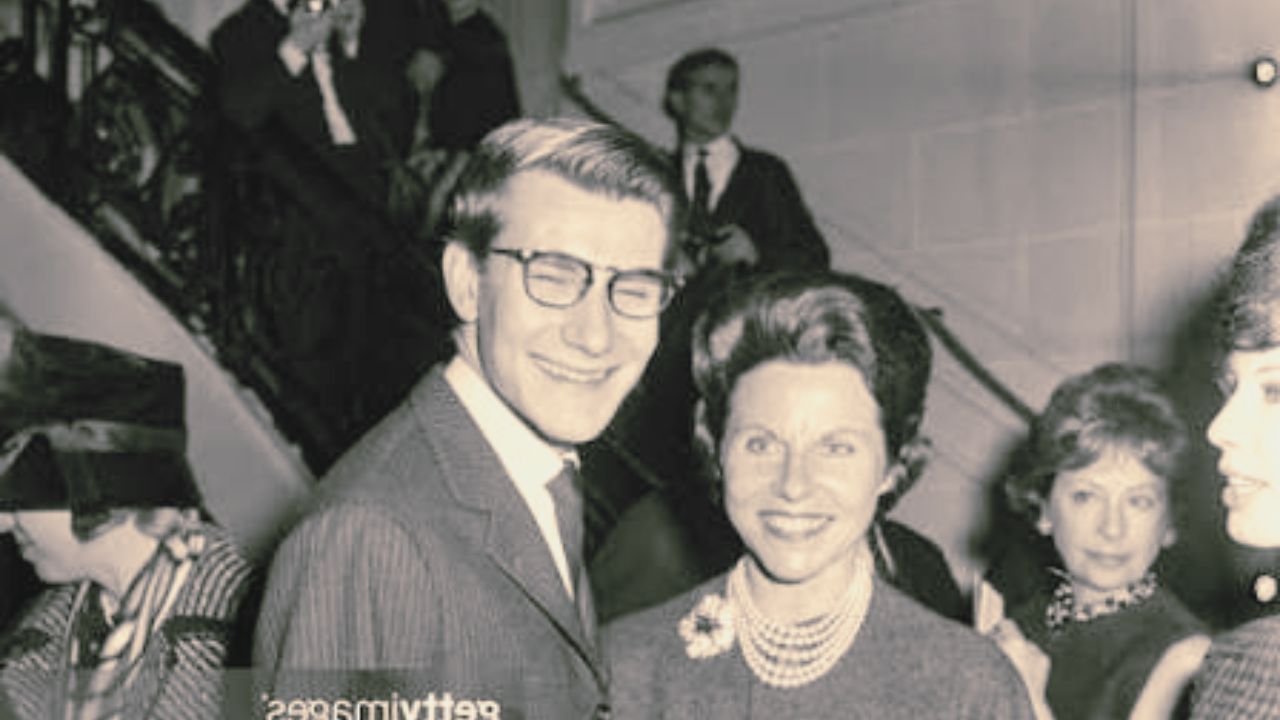

Lucienne Andrée Mathieu-Saint-Laurent is best known as the mother of fashion designer Yves Saint Laurent, but she was also a distinct person in her own right — a woman who lived through most of the twentieth century, raised three children in colonial Algeria, and left a documented mark on one of fashion’s defining careers. She was born in 1914, outlived her famous son by two years, and died in 2010 at the age of 96.
| Full name | Lucienne Andrée Mathieu-Saint-Laurent (née Wilbaux) |
|---|---|
| Born | 1914 |
| Died | 2010, aged 96, near Neuilly-sur-Seine, France |
| Spouse | Charles Mathieu-Saint-Laurent (married 5 July 1935) |
| Children | Yves, Michèle, and Brigitte Mathieu-Saint-Laurent |
| Relationship to main person | Mother of Yves Saint Laurent |
Who Was Lucienne Mathieu-Saint-Laurent?
Lucienne was born in 1914 with the maiden name Wilbaux. Her father was an engineer. She married Charles Mathieu-Saint-Laurent on 5 July 1935 in Algeria, and the couple settled in Oran, where they would raise their family over the following decade and beyond.
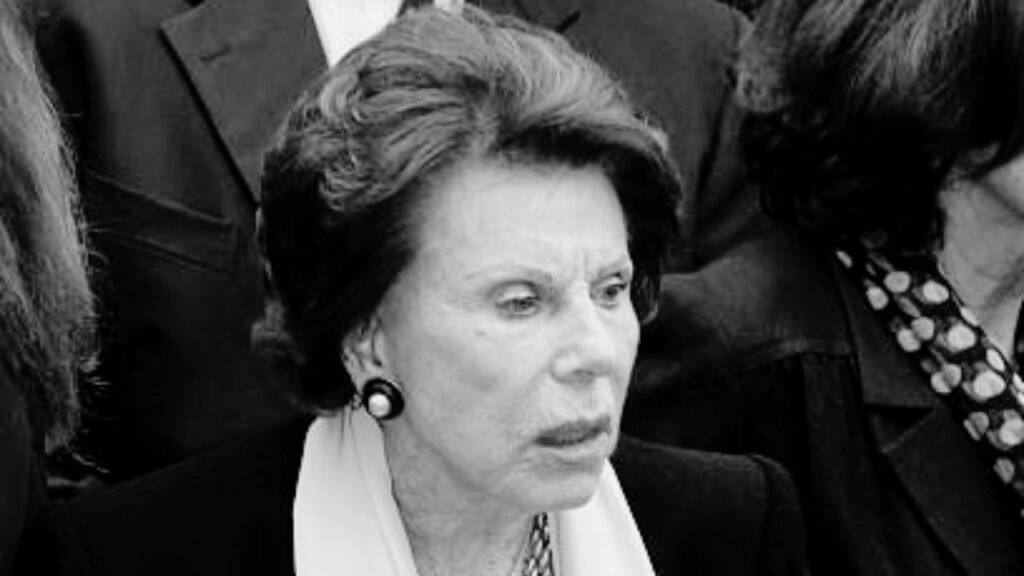
She is not documented as having held a professional career outside the home. The public record, including material held by the Musée Yves Saint Laurent Paris, places her primarily in the context of her family life — as a wife, a mother, and a woman whose personal style made a lasting impression on her son.
Family Life in Oran
Oran, in northwestern Algeria, was a prosperous Mediterranean port city during the years Lucienne and Charles lived there. Charles worked in insurance and was also connected to the cinema business, managing or owning a chain of cinemas in the region. The family was part of the European settler community that shaped much of Algeria’s urban professional life during that period.
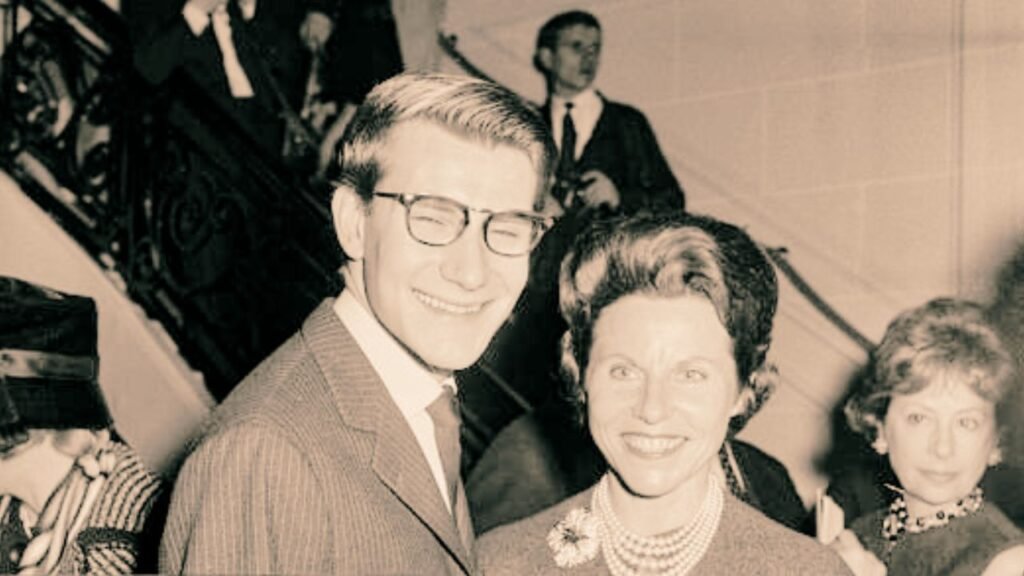
Their household was notably feminine in character. Alongside Lucienne, it included her own mother and a great-aunt, meaning that Yves grew up surrounded primarily by women. The Musée Yves Saint Laurent Paris has specifically highlighted this environment as formative, describing the family as centered on a circle of women whose presence shaped how Yves came to see femininity and dress.
Lucienne gave birth to Yves in 1936, followed by Michèle in 1942 and Brigitte in 1945. The three children grew up together in Oran, where Yves showed an early and unusually concentrated interest in clothing and design.
The Mathieu-Saint-Laurent Children
Yves Mathieu-Saint-Laurent, born on 1 August 1936, would go on to become one of the twentieth century’s most influential fashion designers, eventually shortening his professional name to Yves Saint Laurent. His sisters, Michèle and Brigitte, were his first audience. Museum records note that as a child, Yves dressed paper dolls and staged small theatrical productions, with Michèle and Brigitte watching.
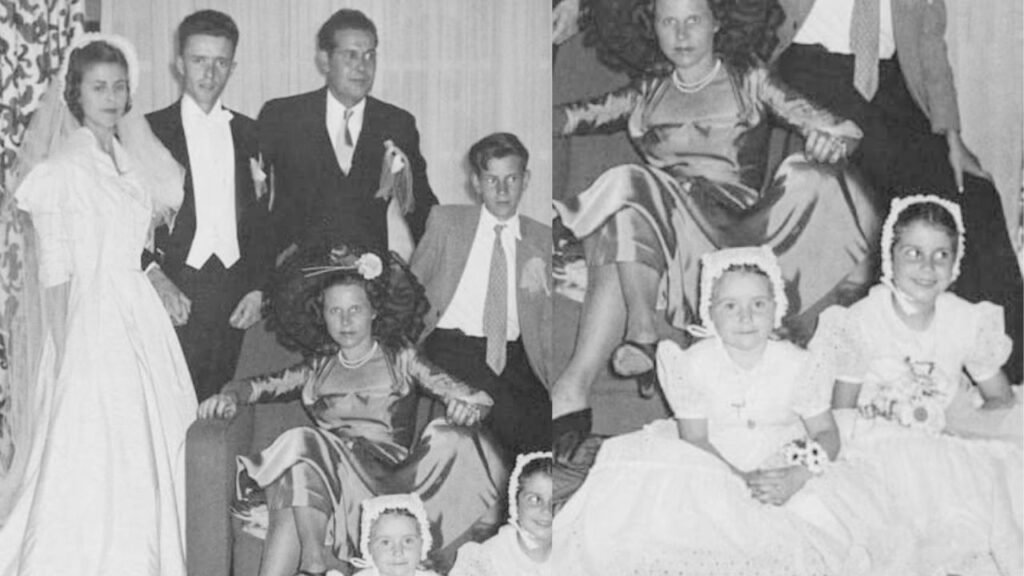
The Musée Yves Saint Laurent uses the spelling Michèle — not Michelle — for his middle sister, a distinction worth noting since both spellings appear in various secondary accounts. Brigitte, the youngest, is less frequently mentioned in the available historical record of the family’s early years.
All three children were raised in Oran before Yves eventually left for Paris to pursue his career in fashion, a path that would take him first to the studio of Christian Dior and later to the founding of his own house.
How Lucienne Shaped Yves Saint Laurent’s Eye for Fashion
The influence Lucienne had on her son was observational rather than professional. Yves later recalled being genuinely fascinated by the clothes she wore to social occasions — the dresses she chose, the way she dressed for events, the care she took with her appearance. He watched closely, and what he saw stayed with him.
The Musée Yves Saint Laurent Paris treats this as a meaningful part of his formation, placing it alongside the broader feminine household environment as something that shaped his understanding of how women dressed and moved in the world. Lucienne was not a designer or a stylist; she was a woman with a social life and a sense of dress, and her son paid careful attention.
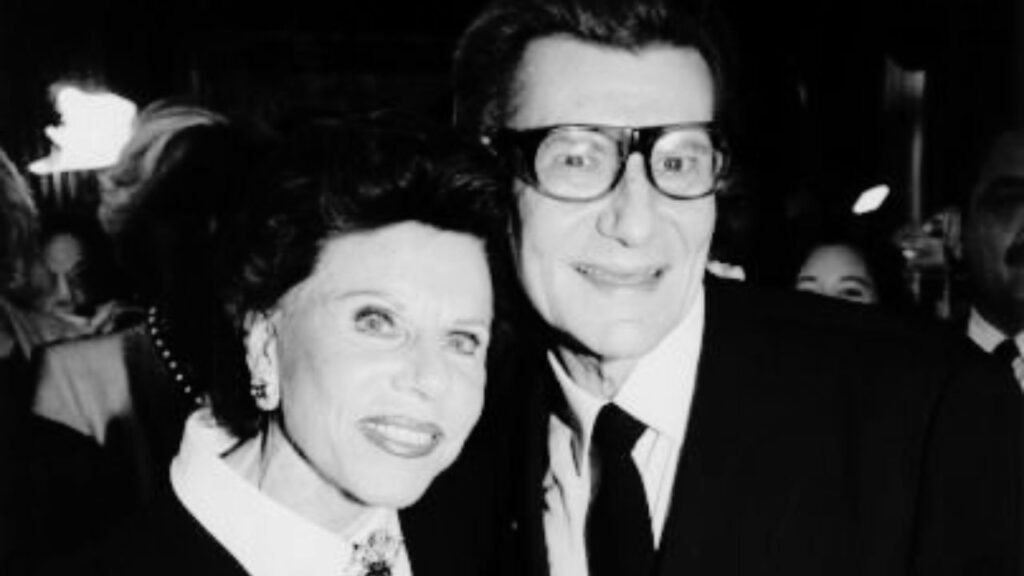
This kind of early, repeated observation — of a specific, real person rather than an abstract ideal — is the documented foundation of what the museum describes as his fascination with feminine dress. He was not simply surrounded by women; he was watching one woman in particular and absorbing what he saw.
Lucienne remained part of Yves’s life well into his years of fame. Accounts from his social circle during the late 1970s and early 1980s, including the period associated with the Paris nightclub Le Palace, place her among the people close to him during that time.
Later Life and Death
Lucienne outlived her husband and, ultimately, her son. Yves Saint Laurent died on 1 June 2008, after years of declining health. Lucienne died two years later, in 2010, near Neuilly-sur-Seine, a commune on the western edge of Paris. She was 96 years old.
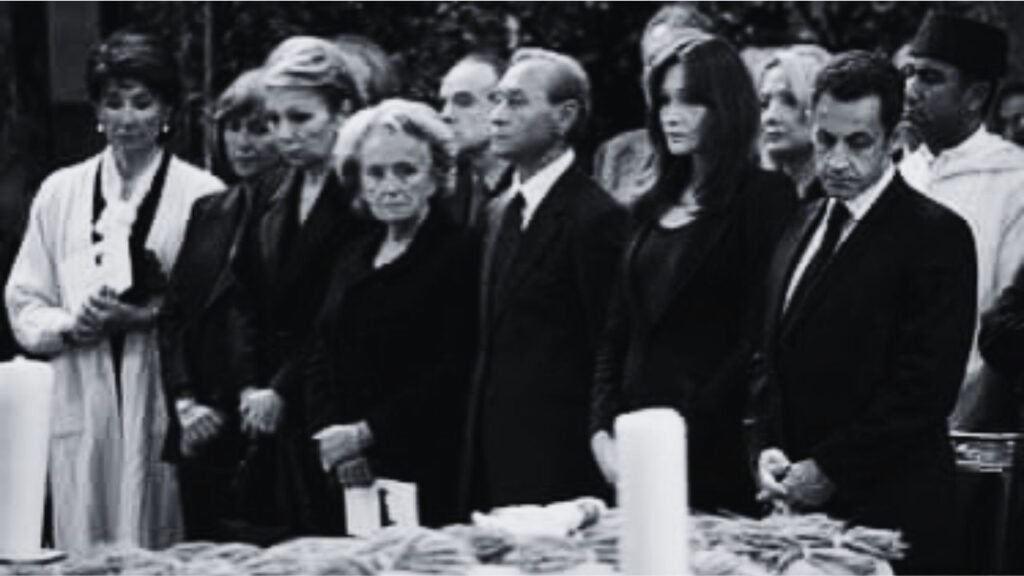
Her long life carried her from pre-war Algeria through the decades of French independence, decolonization, and the transformation of the fashion world her son helped define. She had lived in France long enough to see Yves’s career arc complete, from his first designs to his retirement in 2002 and his death six years later.
Le Figaro reported her death in June 2010, identifying her as Lucienne-Andrée Mathieu-Saint-Laurent, née Wilbaux. The report confirmed her age at death as 96. Beyond that, the public record of her final years is sparse, as it is for most people who were not themselves public figures.
For readers interested in the history of French fashion and the people behind it, resources at First Business Mag cover the broader context of the industry’s major figures and their stories.
Lucienne Mathieu-Saint-Laurent is a documented, identifiable person whose life ran from 1914 to 2010 — from the family home of an engineer in French Algeria to the outskirts of Paris. What the historical record preserves about her is specific: her name, her marriage, her children, her home in Oran, and her son’s memory of watching what she wore. That is a small but credible portrait, and it is enough to place her as more than a footnote to someone else’s story.
Sources
- Musée Yves Saint Laurent Paris — Yves Saint Laurent’s Early Years
- Musée Yves Saint Laurent Paris — The Saint Laurent Women
- Musée Yves Saint Laurent Paris — A Look Back at the Palace Years
- Le Figaro — Décès de la mère d’Yves Saint Laurent (Death Report, 2010)
- Fnac Suisse — Yves Saint Laurent Biography Page