

| Full name | John Richard Moore Jr. |
|---|---|
| Known as | Dickie Moore (acting); Dick Moore (PR career) |
| Born | September 12, 1925, Los Angeles, California |
| Died | September 7, 2015, Connecticut, aged 89 |
| Nationality | American |
| Professions | Actor; public-relations executive; author |
| Known for | Over 100 films; Our Gang shorts; kissing Shirley Temple in Miss Annie Rooney |
| Spouse | Jane Powell (married 1988) |
| Children | Kevin Moore |
John Richard “Dickie” Moore Jr. lived several distinct lives in one lifetime. He was a working child actor before he was old enough to read a script, later built a serious career in public relations, wrote a book about the pressures of growing up in Hollywood, and spent his final decades married to actress and singer Jane Powell. He died on September 7, 2015, in Connecticut, just days before what would have been his 90th birthday.
From Silent Films to Sound: Dickie Moore’s Acting Career
Moore’s career started before most children start school. He made his first screen appearance as an infant in the 1927 silent film The Beloved Rogue, which meant his professional life began at the tail end of the silent era and carried straight through into the age of sound pictures.
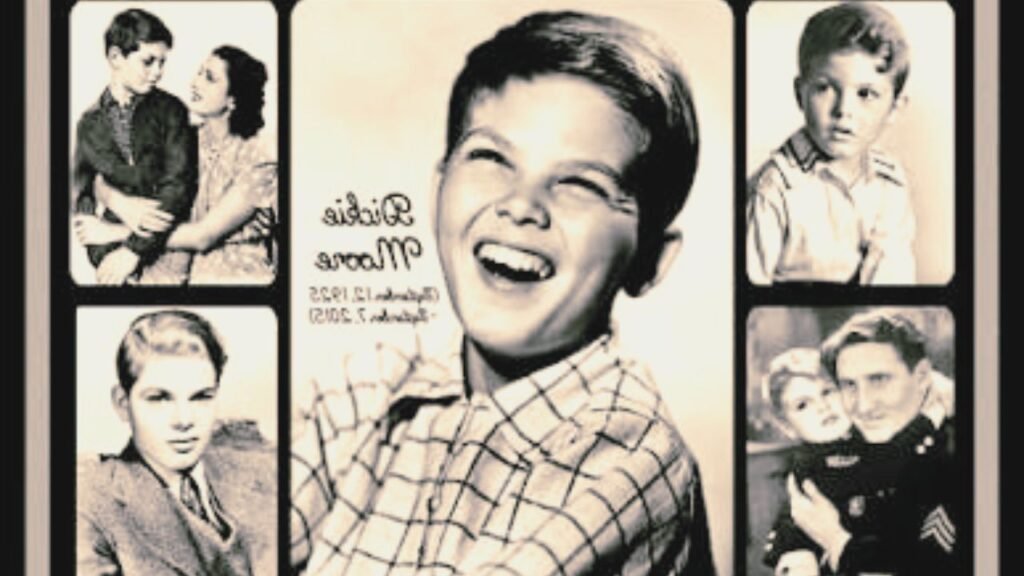
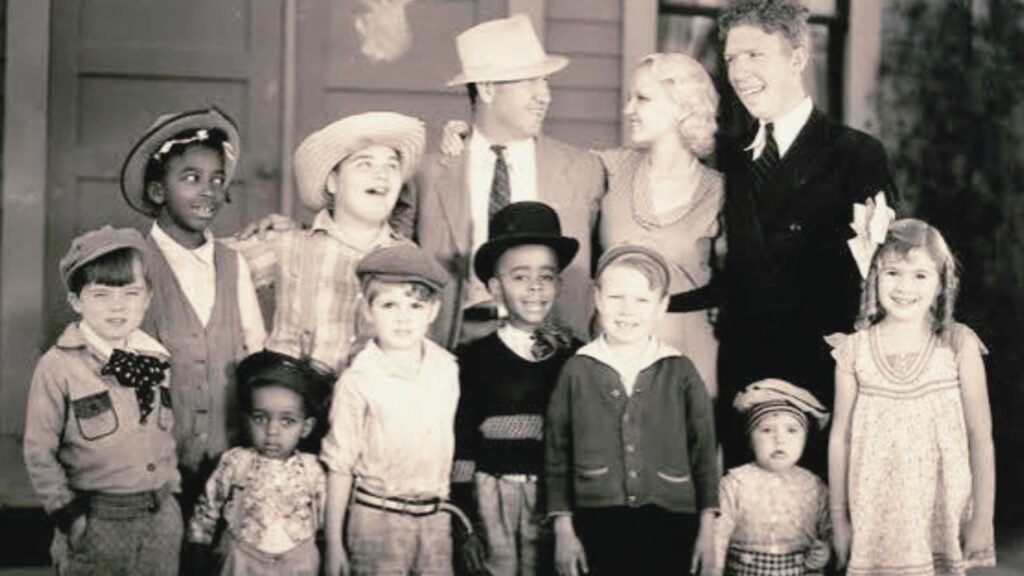
Over the course of his childhood and adolescence, Moore appeared in more than 100 films. He was part of Hal Roach’s Our Gang shorts, the series that later reached a much wider audience through television under the name The Little Rascals. His feature film credits included Blonde Venus (1932) alongside Marlene Dietrich, Man’s Castle (1933), a well-regarded adaptation of Oliver Twist (1933), and Out of the Past (1947), the film noir now considered a classic of its genre. His career continued into the early 1950s, giving him a filmography that stretched across roughly two and a half decades.
The Shirley Temple Kiss and His Place in Hollywood History
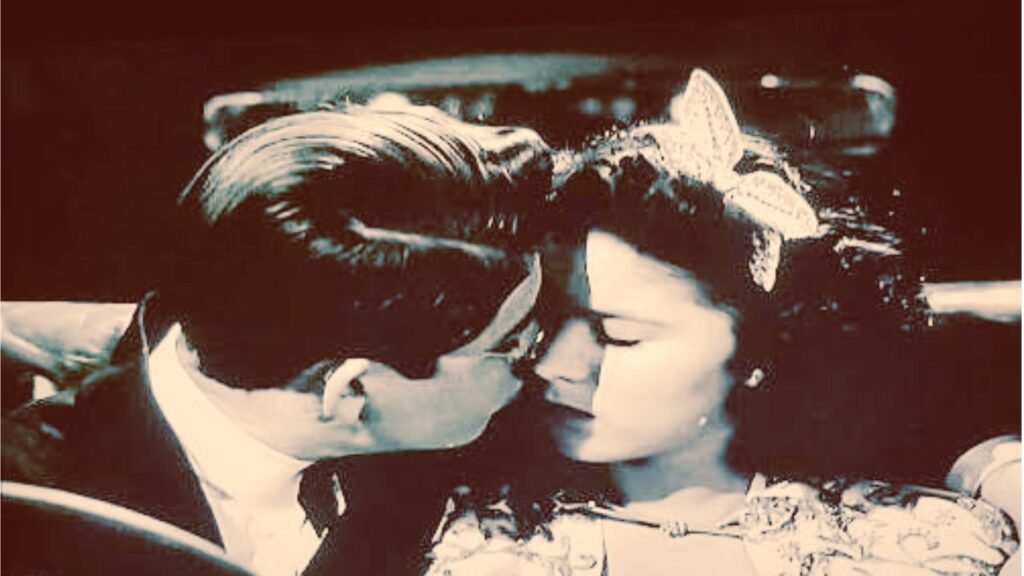
Of everything Moore did on screen, one moment has been repeated in Hollywood trivia more than any other. In the 1942 film Miss Annie Rooney, Moore played the character who gave Shirley Temple her first on-screen kiss. Temple was already one of the most famous people in the world by that point, which helped ensure the moment stayed in public memory long after both actors had moved on to other things. It is a detail that continued to follow Moore for the rest of his life, and it kept his name recognizable to people who had never seen his other work.
Life After Hollywood: Public Relations and a New Identity
Moore stepped away from acting and made a deliberate move into a different field entirely. He worked with Actors’ Equity before establishing his own firm, Dick Moore & Associates, in 1966. The name he operated under professionally — Dick Moore rather than Dickie Moore — signaled that shift. He was not trading on his childhood fame; he was building a second career on its own terms.
The public-relations business gave Moore a professional identity that had nothing to do with his screen past, and he sustained it for decades. Readers interested in the entertainment industry’s business side can find context for careers like Moore’s at First Business Mag.
Writing About Child Stardom
In 1984, Moore published Twinkle, Twinkle, Little Star (But Don’t Have Sex or Take the Car). The book drew on his own experience as a child actor and on interviews he conducted with other former child stars. It examined the particular pressures that came with growing up in the film industry — the loss of a normal childhood, the psychological weight of early fame, and the difficulties many child performers faced in building adult lives once the work stopped.
The book was both a personal account and a broader look at a pattern Moore had lived through firsthand. It also turned out to have an unexpected consequence for his personal life.
Dickie Moore and Jane Powell
While researching the book, Moore sought out other former child actors for interviews. One of them was Jane Powell, the actress and singer known for her roles in Hollywood musicals. The two met around 1981, years before the book came out, and the professional introduction developed into something more lasting.
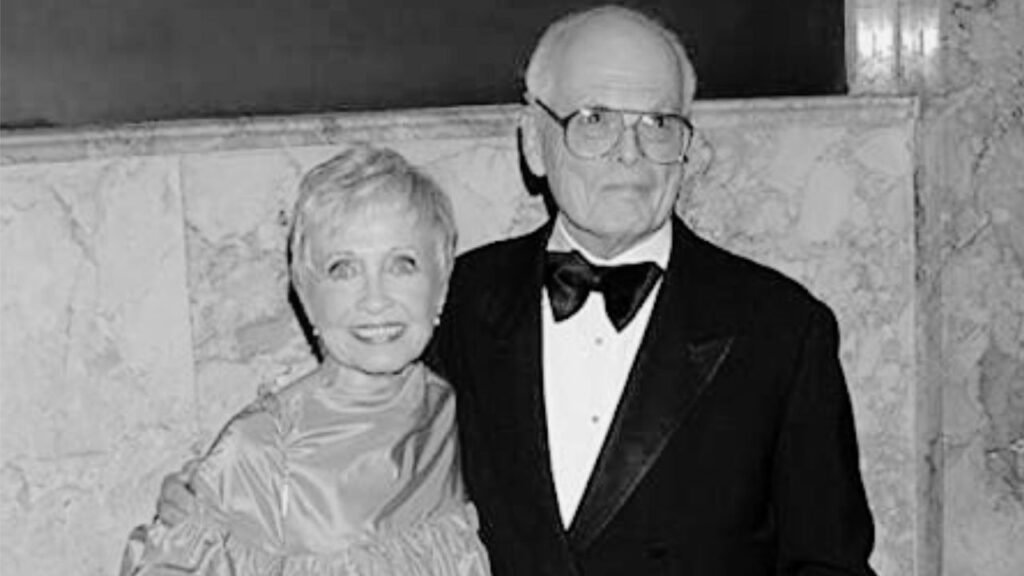
Moore and Powell married in 1988. They remained together until his death in 2015 — a marriage of more than 25 years that began, in a roundabout way, because Moore had decided to write honestly about what it meant to grow up on screen. Powell survived him.
Family and Final Years
Moore is survived by his wife, Jane Powell, and his son, Kevin Moore. He died on September 7, 2015, in Connecticut, a few days before his 90th birthday.
His life resists a simple summary. He began working before most people have formed their earliest memories, appeared in films alongside some of the most recognized names of Hollywood’s golden era, and then quietly walked away from that identity and built another one. The book he wrote in his late fifties brought him back, briefly, to the world he had left — and introduced him to the person he would spend the rest of his life with.