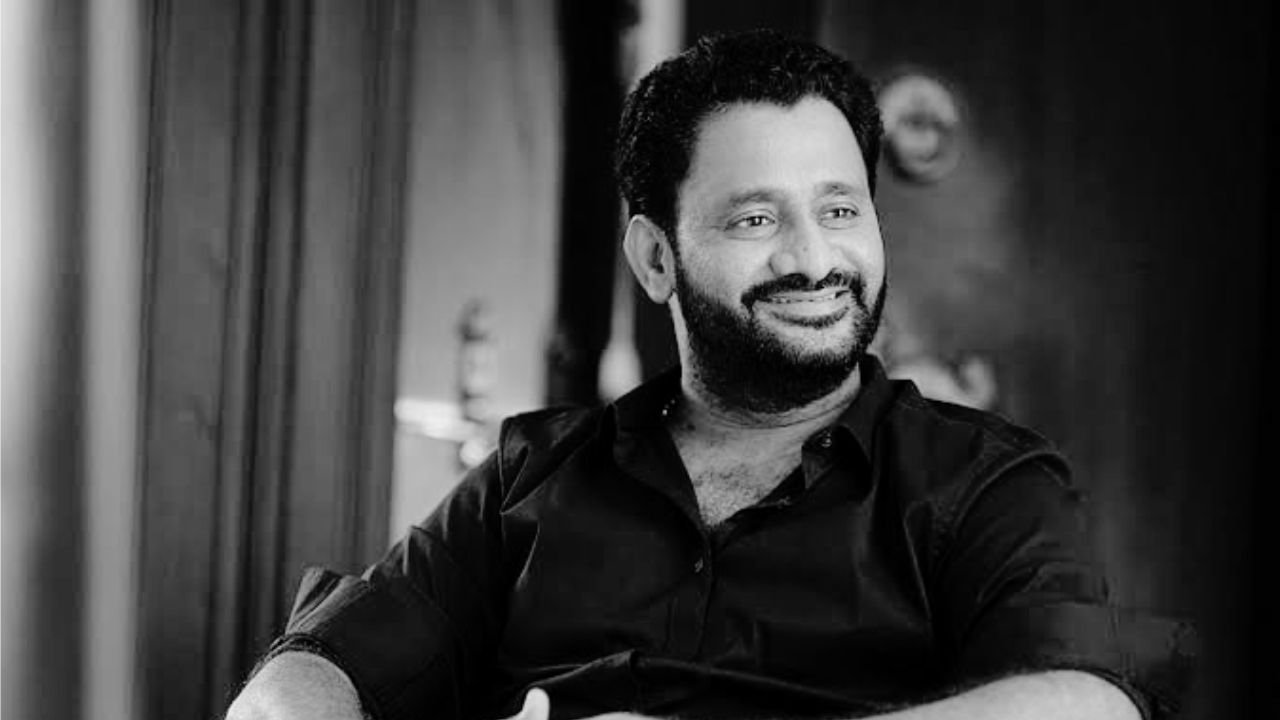

| Full name | Resul Pookutty |
|---|---|
| Born | 30 May 1971, Vilakkupara, Anchal, Kollam district, Kerala, India |
| Nationality | Indian |
| Profession | Sound designer, sound editor, re-recording mixer |
| Known for | Academy Award for Best Sound Mixing, Slumdog Millionaire (2009) |
| Parents | Pookutty and Nabeesa |
| Spouse | Shadia Pookutty (married 2003) |
| Children | Rayan Pookutty (son), Salna Pookutty (daughter) |
Resul Pookutty’s journey from a modest rural household in Kerala to the stage of the 81st Academy Awards is one of the more quietly remarkable stories in Indian cinema. He is a sound designer, sound editor and re-recording mixer who has worked across Hindi, Malayalam, Tamil and international productions. To most people outside the industry, his name became known on 22 February 2009, when he walked away with an Oscar for Best Sound Mixing for Danny Boyle’s Slumdog Millionaire. Within the industry, he had been building that reputation for well over a decade.
From Vilakkupara to the Film and Television Institute of India
Pookutty was born on 30 May 1971 in Vilakkupara, a small settlement in the Anchal area of Kollam district, Kerala. He grew up in a financially modest household — one of eight children of Pookutty and Nabeesa — and attended Malayalam-medium local schools in the area.

His academic path before film school was anything but direct. He completed a BSc in physics at Milad-E-Sherief Memorial College, Kayamkulam, under the University of Kerala. Physics, as he has noted in interviews, turned out to be genuinely useful preparation for understanding the technical dimensions of sound — not a detour, but a foundation. After his degree, he enrolled at Government Law College in Thiruvananthapuram, but he left before completing the course. The turning point came when he encountered an advertisement for sound recording and sound engineering.
That advertisement led him to the Film and Television Institute of India (FTII) in Pune, where he studied sound recording and sound engineering, graduating in 1995. FTII has produced a significant number of Indian film professionals across departments, and Pookutty has remained publicly associated with the institution. The physics-to-law-to-sound path may look unconventional, but it reflects the kind of circuitous route many technical film professionals take before finding their discipline.
Building a Career in Indian Film Sound
After graduating from FTII, Pookutty built his career steadily through the late 1990s and into the 2000s. His early credited work includes Private Detective: Two Plus Two Plus One (1998), directed by Rajat Kapoor. From there, he worked across multiple Indian industries — Hindi, Malayalam, Tamil and others — taking on roles that varied by production: sound designer, sound editor, re-recording mixer, supervising sound editor.
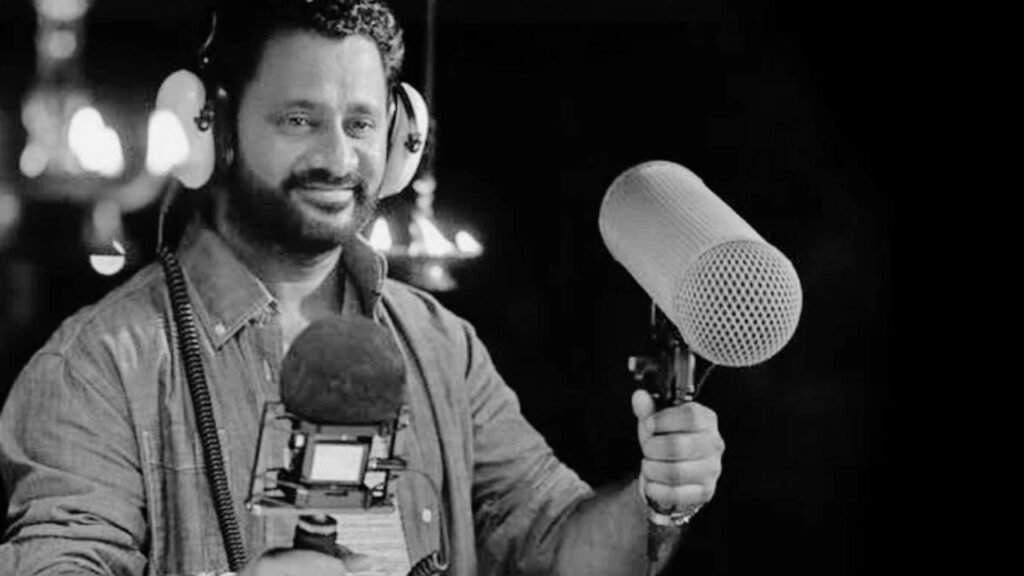
The production that significantly raised his profile within Indian cinema was Sanjay Leela Bhansali’s Black in 2005. Bhansali’s films tend to be sonically ambitious, and Black — which tells the story of a deaf-blind woman and her relationship with her teacher — placed particular demands on the sound team. Pookutty’s work on it was widely recognised as exceptional and established him as one of the more serious technical artists working in the Indian film industry at the time.
His credits beyond Black include large-scale productions like Enthiran, Ra.One and 2.0, all of which demanded technically complex and high-volume sound work. He has not limited himself to a single production scale or language, which partly explains the breadth of his reputation across Indian cinema. In a 2016 interview, Pookutty stated plainly that he considered some of his Indian-language work to be stronger than Slumdog Millionaire — a point worth taking seriously given the scale of what he has worked on before and since.
The Academy Award for Slumdog Millionaire
Pookutty worked on Slumdog Millionaire, Danny Boyle’s 2008 film about a young man from Mumbai’s slums appearing on a television quiz show. The film became a major international success, winning eight Academy Awards in total. Among them was the award for Best Sound Mixing, which Pookutty shared with Ian Tapp and Richard Pryke.
That last point is worth stating clearly because it is frequently misreported. This was a collaborative award. All three names — Pookutty, Tapp and Pryke — were called to the stage on 22 February 2009. The category was also specifically Best Sound Mixing, not Best Sound Editing, though some Indian media coverage used those terms interchangeably in the weeks following the ceremony.

Pookutty became the first Indian to win an Academy Award in a competitive sound-related technical category. Some reporting went further, describing him as the first Indian ever to win an Oscar, but that framing requires qualification: Satyajit Ray received an Honorary Academy Award in 1992. Pookutty’s win was nonetheless a significant moment, and it drew broader public attention in India to the technical crafts behind filmmaking — departments that, as Pookutty has argued in numerous interviews, remain under-recognised relative to actors, directors and composers.
In January 2026, he publicly objected when a newspaper omitted his name and photograph from coverage of Indian Oscar winners. He framed the incident as part of a larger pattern of technical film professionals being written out of the story of Indian cinema’s international achievements. The point was consistent with things he had been saying for years.
What Sound Mixing and Sound Design Actually Involve
Because the Oscar brought Pookutty wide attention outside film industry circles, it is worth being clear about what the award actually recognised. Sound mixing is the process of balancing dialogue, music and sound effects into the final audio track that audiences hear in a cinema. It is distinct from sound editing, which involves selecting and assembling individual sound elements, and from sound design, which is the broader creative practice of constructing a film’s sonic world from the ground up.
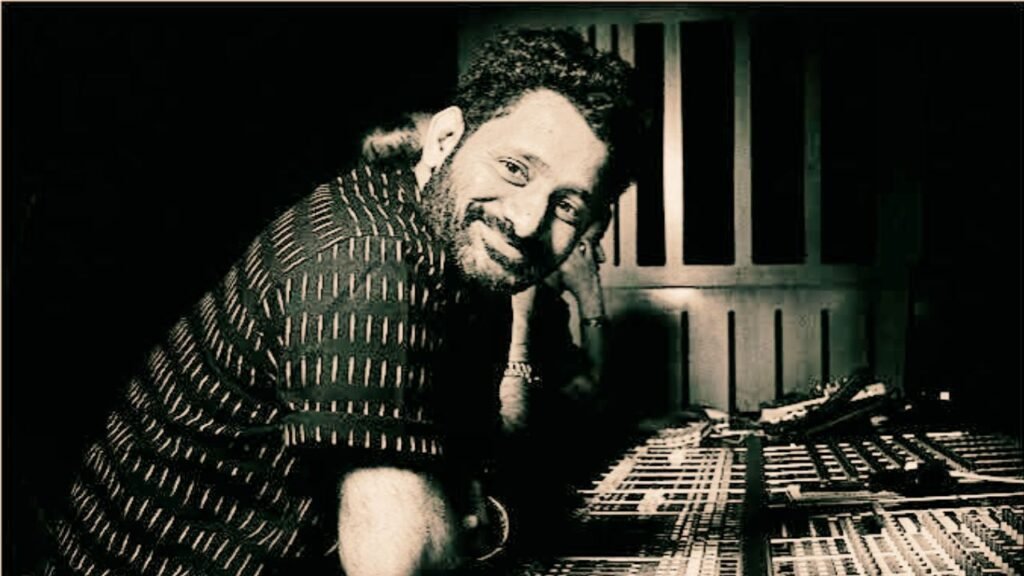
Pookutty works across all of these areas depending on the production, but the Oscar specifically honoured his work as part of the mixing team on Slumdog Millionaire. A film set in the streets, slums and television studios of Mumbai required building and balancing an enormous range of acoustic environments — ambient noise, crowd sound, the controlled acoustic of a TV studio, music. That layering and balancing is what sound mixing, at its most demanding, involves.
He has described his physics background as directly relevant to this work. Understanding how sound behaves physically — how it travels, reflects and interacts with space — is not incidental to the job. It informs decisions made at every stage of production and post-production.
Resul Pookutty’s Wife and Children
Resul Pookutty married Shadia Pookutty in 2003. Around the time of the Oscar win, she was described in profiles as a key source of support during his career, including his international work on Slumdog Millionaire. The family was based in Mumbai during that period.

The couple have two children. Their son is Rayan Pookutty, and their daughter is Salna Pookutty. Both were young children at the time of the 2009 Oscar ceremony.
Later Career and Public Role
Pookutty has continued working across Indian cinema since the Oscar win, with credits spanning Hindi, Malayalam and Telugu productions. He has been vocal in interviews about the treatment of technical professionals in the industry and about his preference for being identified as an independent artist rather than being defined by his institutional affiliations or a single award.
He served as chairman of the Kerala State Chalachitra Academy, the state body concerned with Malayalam cinema. Reporting from September 2026 indicated that he stepped down from that role following a change in the state government. The departure from the chairmanship does not indicate any withdrawal from professional sound work.
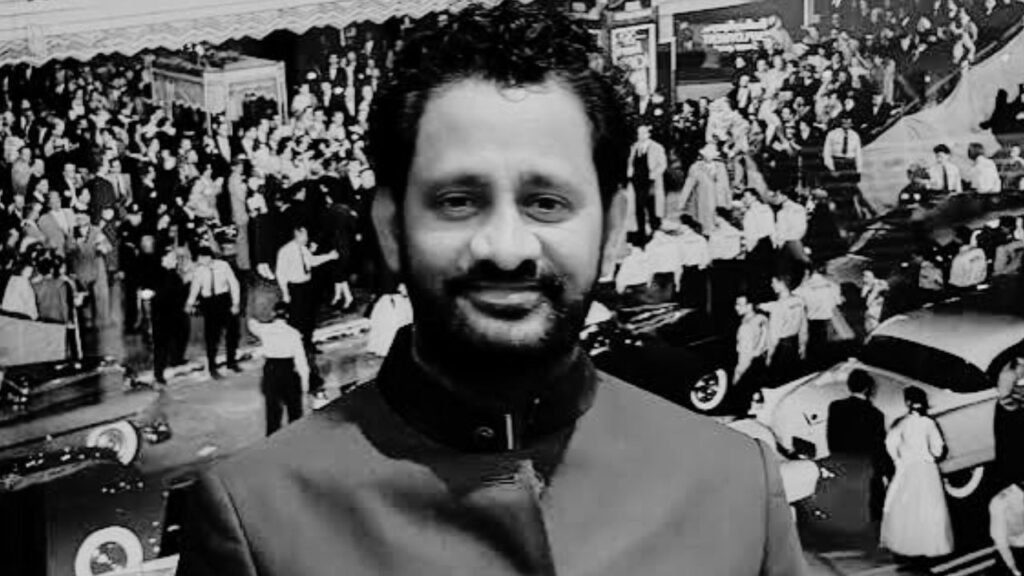
For readers interested in the business and cultural dimensions of careers like Pookutty’s — professionals who operate across industries and borders — First Business Mag covers the kind of cross-sector stories that rarely fit neatly into a single industry category.
Pookutty’s career is a case study in the long game. The Oscar is the most visible point on a timeline that stretches back to a small village in Kerala, runs through a physics classroom and a law college corridor, and continues through decades of work that most cinema audiences never consciously register. That invisibility, he has argued, is precisely the problem he wants to keep talking about.
Sources
- Arab News – “Sounding it out to the world”
- TwoCircles – “Sound of India: Resul Pookutty”
- Women Economic Forum – Resul Pookutty profile
- Cinema Express – Resul Pookutty interview, November 2025
- The New Indian Express – Resul Pookutty interview, 2016
- Moneycontrol – Resul Pookutty on being omitted from Oscar winners coverage, January 2026
- Onmanorama – Kerala Chalachitra Academy chairmanship change, September 2026