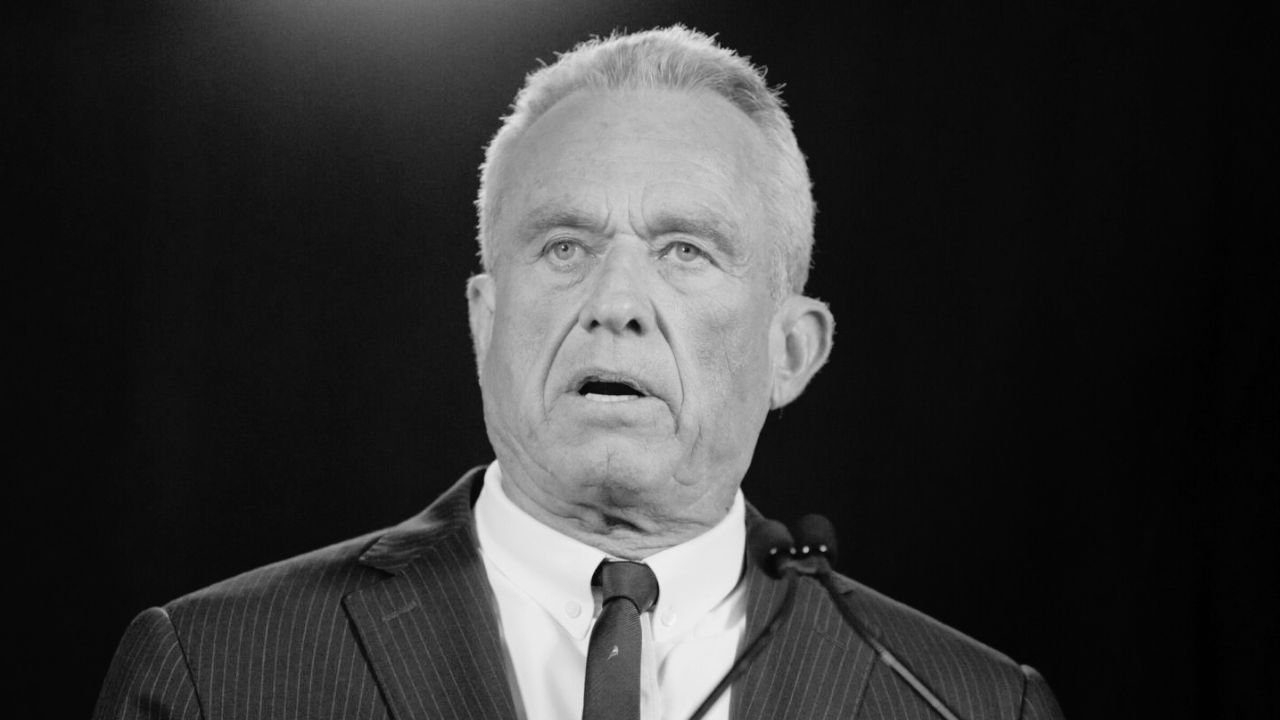

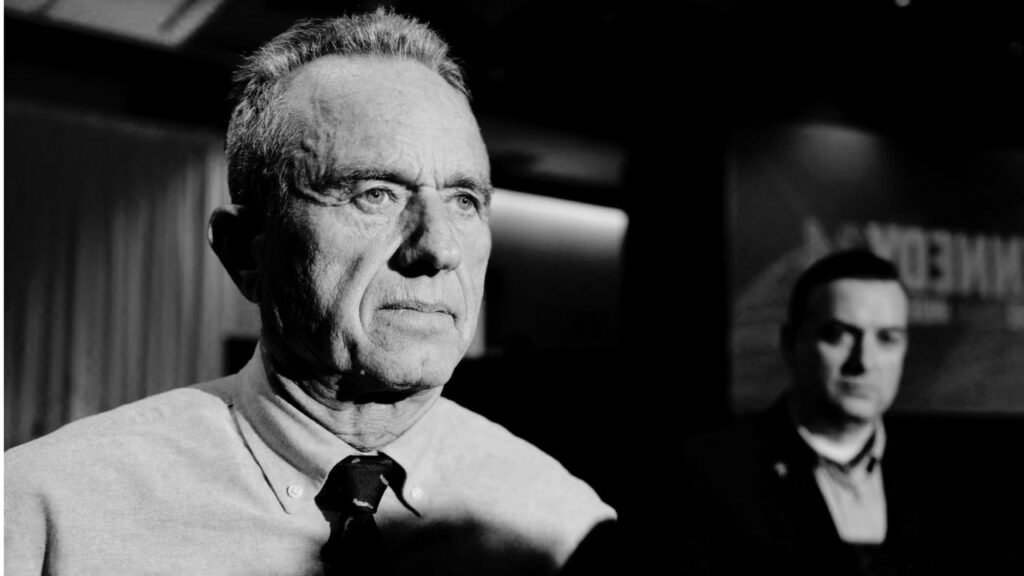
Robert F. Kennedy Jr. is one of America’s most recognizable and polarizing public figures. Heir to one of the country’s most storied political dynasties, he built a decades-long career as an environmental attorney before transforming into a prominent — and deeply controversial — public-health advocate. In February 2025, he became the nation’s top federal health official when he was sworn in as the 26th U.S. Secretary of Health and Human Services.
| Full name | Robert Francis Kennedy Jr. |
|---|---|
| Known as | RFK Jr. |
| Born | January 17, 1954, Washington, D.C. |
| Age | 71 |
| Nationality | American |
| Profession | Attorney, environmental advocate, federal official |
| Parents | Robert F. Kennedy and Ethel Skakel Kennedy |
| Children | Robert Francis “Bobby” Kennedy III, Kathleen Alexandra “Kick” Kennedy (with Emily Ruth Black) |
| Current role | 26th U.S. Secretary of Health and Human Services |
Born Into the Kennedy Legacy
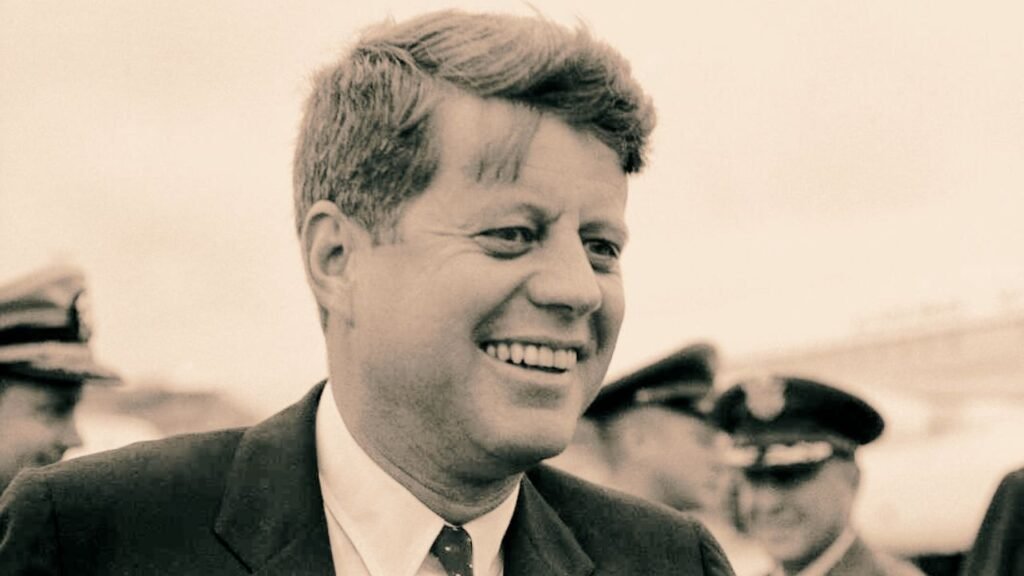
Kennedy was born on January 17, 1954, in Washington, D.C., the third of 11 children born to Robert F. Kennedy and Ethel Skakel Kennedy. His father served as U.S. Attorney General under President John F. Kennedy — his uncle — and later as a U.S. Senator from New York before being assassinated in June 1968, during his own presidential campaign. RFK Jr. was 14 years old when his father was killed.
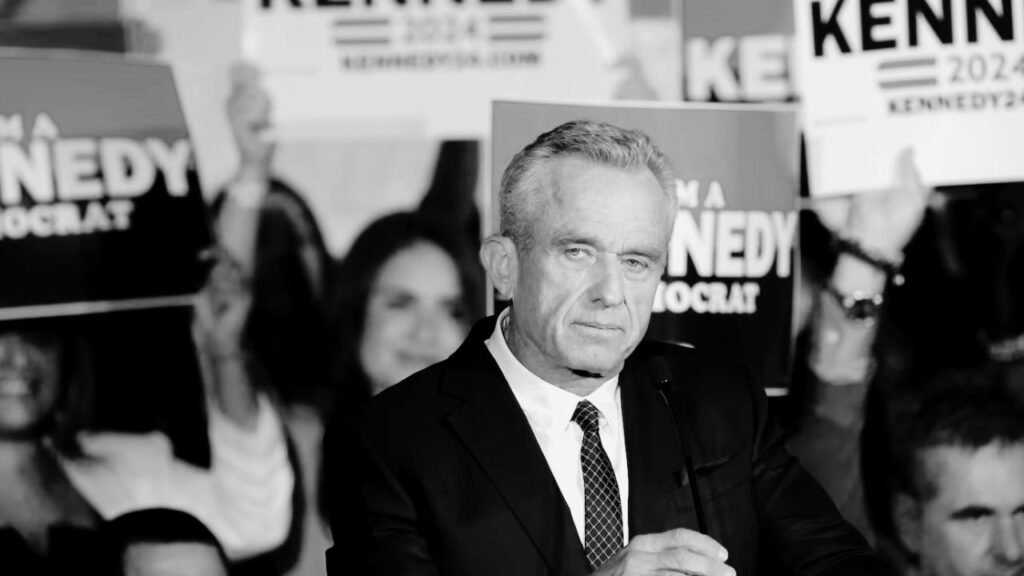
Growing up in one of the most closely watched families in American public life meant that Kennedy’s name opened doors while simultaneously placing him under a level of scrutiny most people never face. The Kennedy surname carried enormous political capital, as well as the weight of tragedy. Both have followed him throughout his career.
Education and the Path to Law
Kennedy earned a bachelor’s degree in American history and literature from Harvard University in 1976. He then studied at the London School of Economics before returning to the United States to complete his legal education, earning a law degree from the University of Virginia School of Law in 1981. Later in his career, he added a master’s degree in environmental law from Pace University School of Law, a credential that reflected the direction his legal practice had already taken.
His academic path was not a straight line toward any single goal, but each step — history, economics, law, environmental specialization — contributed to the lawyer and advocate he became.
From Manhattan Prosecutor to Environmental Advocate
After completing his law degree, Kennedy began his legal career as an assistant district attorney in Manhattan in 1982. Criminal prosecution, however, was not where he would make his mark. Within a few years he had transitioned to environmental law, working with Riverkeeper, a Hudson River conservation organization, and collaborating with the Natural Resources Defense Council on water-pollution and ecosystem-protection litigation.
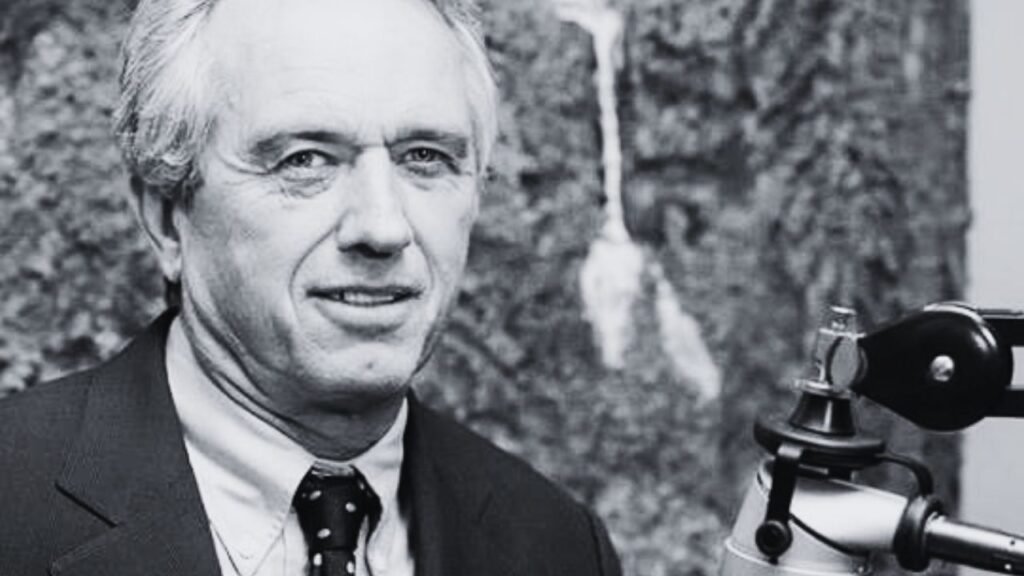
This period established him as a serious legal practitioner rather than simply a famous name. His courtroom and advocacy work focused on holding polluters accountable and protecting waterways, and it earned him a professional reputation that existed independently of his family connections.
Building the Waterkeeper Movement and Children’s Health Defense
Kennedy co-founded the Waterkeeper Alliance and served as its president for 21 years, helping build it from a regional effort into an international clean-water organization with affiliates around the world. The Alliance’s model — using local advocates, called Waterkeepers, to monitor and legally challenge pollution in specific waterways — became one of the more effective grassroots environmental enforcement strategies in the country.
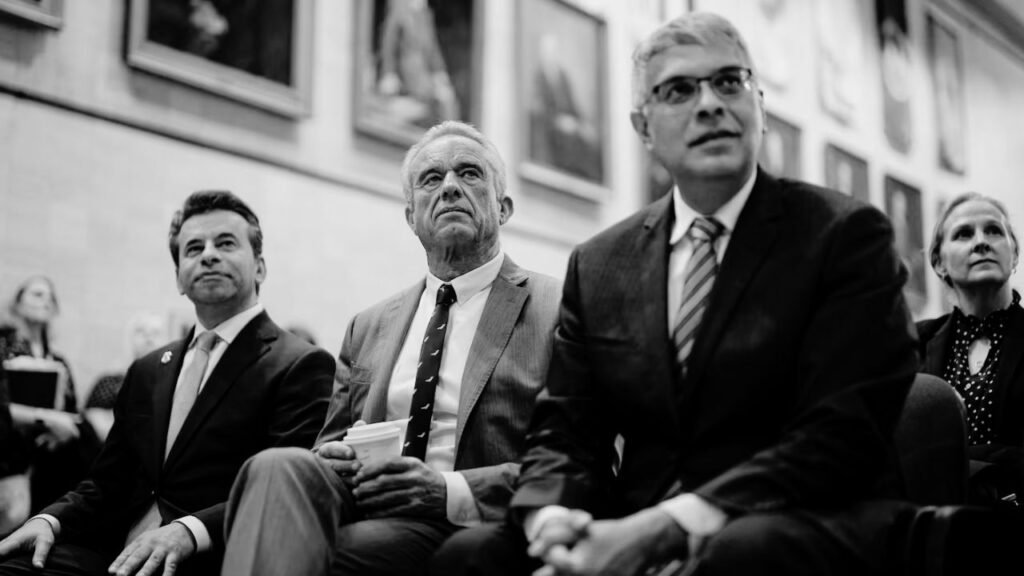
His second major organizational venture took him in a different direction. Kennedy co-founded Children’s Health Defense in 2016, shifting his public focus toward vaccine policy, pharmaceutical industry regulation, and what he described as threats to children’s health from environmental toxins and medical interventions. The organization grew rapidly and amplified his voice on public-health topics well beyond his environmental base.
These two organizations represent genuinely distinct chapters of his advocacy career. The Waterkeeper Alliance work was broadly praised across the political spectrum. Children’s Health Defense, by contrast, placed him in direct conflict with public-health institutions, mainstream medicine, and much of the scientific community — particularly over his claims about vaccine safety, which major health authorities have repeatedly disputed.
The 2024 Presidential Campaign
Kennedy entered the 2024 presidential race first as a candidate for the Democratic Party nomination, then shifted to run as an independent. His campaign drew significant attention, in part because of his family name and in part because of his outspoken positions on government transparency, pharmaceutical industry influence, and public-health policy. He attracted a following that cut across traditional partisan lines — supporters who were skeptical of institutions regardless of their political affiliation.
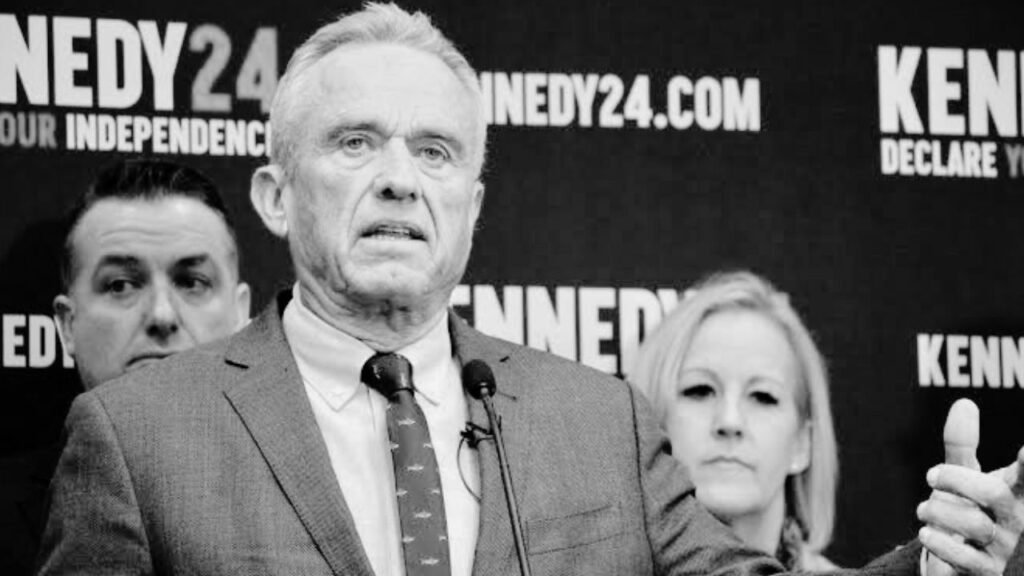
He ultimately suspended his independent campaign and endorsed Republican candidate Donald Trump. The decision was controversial but aligned Kennedy with the political force that would eventually bring him into the federal government as a cabinet official.
Becoming the 26th Secretary of Health and Human Services
Following Donald Trump’s victory in the 2024 presidential election, Kennedy was nominated to lead the U.S. Department of Health and Human Services. After Senate confirmation, he was sworn in as HHS secretary on February 13, 2025, becoming the department’s 26th secretary.
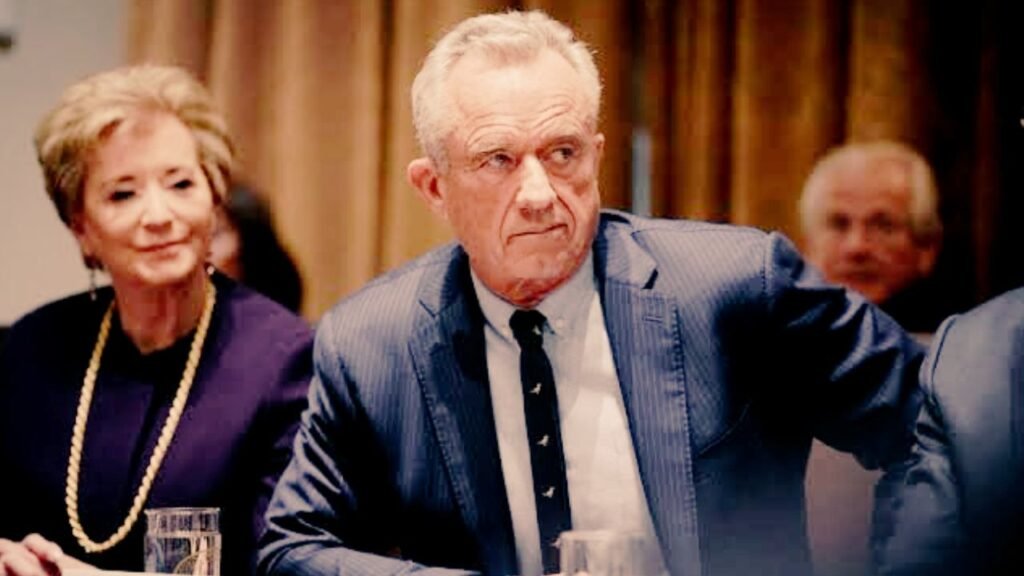
The appointment is historically notable for several reasons. HHS oversees a budget approaching $2 trillion and manages the federal government’s most consequential public-health programs, including the Centers for Disease Control and Prevention, the Food and Drug Administration, and the National Institutes of Health. Placing a prominent critic of those institutions at the top of the department marked a sharp departure from precedent. Supporters argued Kennedy would push needed reforms; critics warned that his views on vaccines and pharmaceutical regulation posed risks to public health.
Whatever one’s position, his confirmation represented a remarkable career arc — from environmental litigator to cabinet secretary, with a presidential campaign in between.
His Marriage to Emily Ruth Black and Their Children
Kennedy met attorney Emily Ruth Black while both were students at the University of Virginia School of Law. They married in 1982, the same year he began his career as a Manhattan prosecutor. Together they had two children: son Robert Francis “Bobby” Kennedy III and daughter Kathleen Alexandra “Kick” Kennedy. The marriage ended in divorce in 1994.
Kennedy has had other significant relationships and marriages after his divorce from Black, though the details of his later personal life fall outside the verified scope of this article.
A Career That Defies Simple Description
Few American public figures have moved through as many distinct professional identities as Kennedy has. He has been a criminal prosecutor, an environmental litigator, a nonprofit president, a presidential candidate, and now a cabinet secretary. Each phase built on the last, even when the transitions seemed jarring from the outside.
His environmental record is largely viewed as a genuine contribution to conservation law. His public-health advocacy is far more contested. Positions he has taken on vaccines and autism have been rejected by the scientific mainstream, and any assessment of his record in that area requires careful attention to what the evidence actually supports versus what remains disputed.
For readers looking to follow his work as HHS secretary and its implications for American health policy, First Business Mag covers the intersection of policy, leadership, and institutional change.
Kennedy remains a figure who generates strong reactions across the political spectrum — admired by those who see him as a principled outsider challenging entrenched power, and viewed with alarm by those who believe his influence on public-health policy carries serious risks. What is not in dispute is that his trajectory, from the son of an assassinated senator to one of the most consequential appointments in American public health, is unlike almost anyone else’s in modern political life.