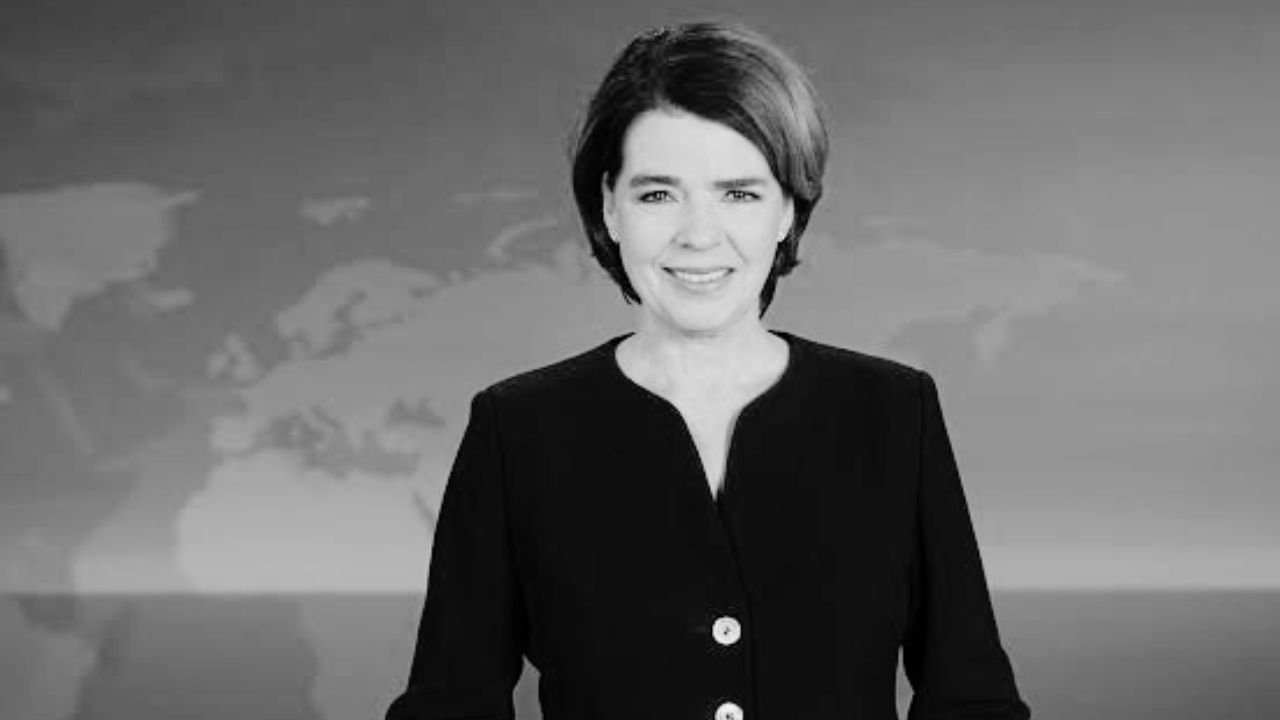

| Full name | Susanne Daubner |
|---|---|
| Born | March 26, 1961, Halle an der Saale, East Germany |
| Nationality | German |
| Profession | Newsreader, television presenter, voice artist |
| Known for | ARD Tagesschau presenter since 1999 |
| Children | Jo Tödter-Daubner (born 1990) |
| Current role | Presenter and newsreader, ARD Tagesschau |
Susanne Daubner’s career is woven into modern German history in a way that few broadcasters’ lives are. She trained inside the GDR’s state broadcasting system, fled East Germany in the summer of 1989, and went on to become one of the most familiar faces on Tagesschau — ARD’s flagship evening news programme and Germany’s most-watched nightly newscast. More than twenty-five years after joining the Tagesschau team, she remains an active presenter and one of the programme’s long-serving voices.
From Halle to East Berlin — Growing Up in the GDR
Daubner was born on March 26, 1961, in Halle an der Saale, a city in the central part of what was then the German Democratic Republic. She completed her secondary education there before undertaking commercial vocational training — a fairly conventional path in the GDR, where post-school vocational programmes were a standard part of the education system.
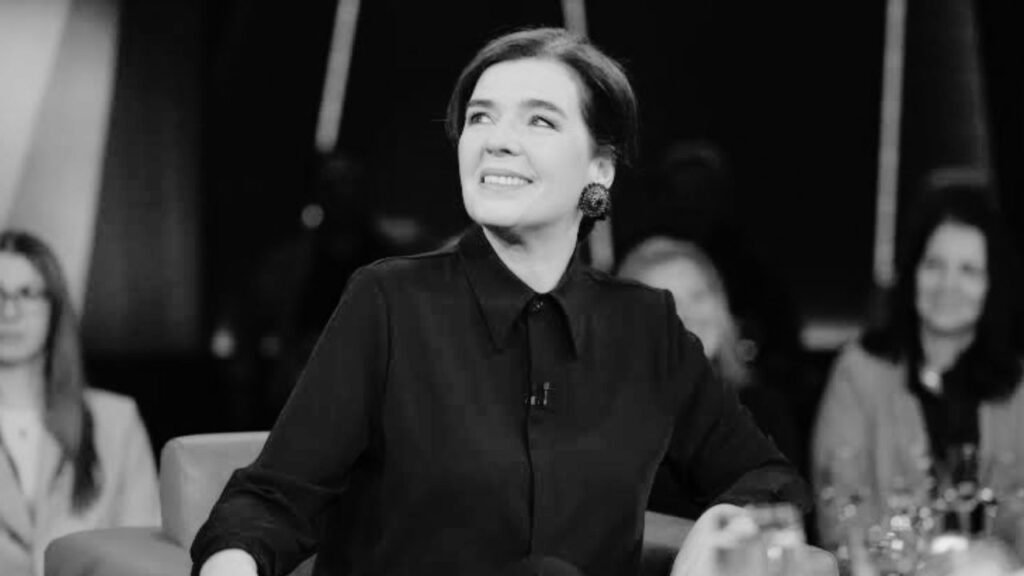
Her route into broadcasting was less conventional. After moving to Berlin, she was noticed at an event on Alexanderplatz and subsequently entered training as a radio announcer and presenter within the GDR’s state broadcasting structure. Entering that system meant working within tightly controlled, state-run media — a very different environment from the pluralist broadcasting landscape she would later work in.
Newsreader at DT64 — Broadcasting in the Final Years of the GDR
In 1987, Daubner joined DT64 as a newsreader. DT64 was East Germany’s youth radio station, and it occupied a distinct cultural position within GDR broadcasting — it had a reputation for being somewhat more relaxed in style than the country’s more rigidly political main output, even if it still operated firmly within the state’s media framework. Alongside reading news bulletins, Daubner also presented magazine and music programmes, giving her a broader on-air range than a purely news-focused role would have allowed.
This period was formative in a specific, practical sense: radio work placed vocal training and presentation discipline at the centre of her professional development, and those foundations would define her style throughout her career. The years at DT64 also coincided with a politically charged time. According to the official Tagesschau biography, the Ministry for State Security — the Stasi — made multiple documented recruitment attempts during this period, though the full circumstances around those approaches are not publicly detailed.
Leaving East Germany in 1989
In the summer of 1989, Daubner left the GDR. Her documented route out was via Hungary and Yugoslavia — the same broad corridor used by tens of thousands of East Germans that year, after Hungary began allowing GDR citizens to cross into Austria. It was one of the most significant mass movements of people in postwar European history, and it contributed directly to the political pressure that eventually brought down the Berlin Wall in November 1989.
Daubner reached West Germany before the Wall fell. The exact personal details of her departure — who accompanied her, her precise motivations beyond the general circumstances — are not confirmed in the official broadcaster biography, and speculation beyond the documented route is unnecessary: the historical context speaks for itself.
Building a Career in Unified Germany — SFB, ORB and the Road to ARD
The speed of her professional reinvention after arriving in the West was striking. In October 1989 — just weeks after leaving the GDR — she joined Sender Freies Berlin (SFB), the public broadcaster serving West Berlin, as a news and programme announcer. Moving from a state-controlled youth station to a West German public broadcaster within the same year represented an enormous shift, both professionally and personally.
Her daughter, Jo Tödter-Daubner, was born in 1990, during this period of intense professional and personal transition. The official Tagesschau biography confirms the birth year, though it does not go into further detail about Daubner’s family circumstances at the time.
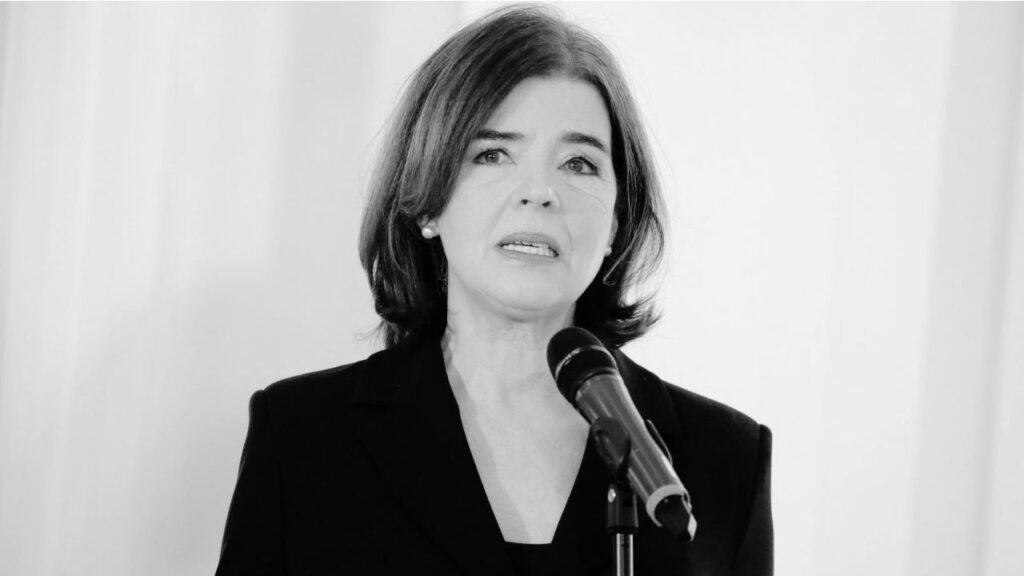
In 1992, she made her first on-camera television appearance, presenting on Ostdeutscher Rundfunk Brandenburg’s regional news programme Brandenburg aktuell. That was a notable step: her career had until then been built almost entirely in radio, and moving in front of a camera for a regional television news programme was the beginning of a new professional chapter. Her trajectory across DT64, SFB and ORB represents something genuinely unusual — a broadcasting career that ran continuously through two very different German media systems.
Joining the Tagesschau Team
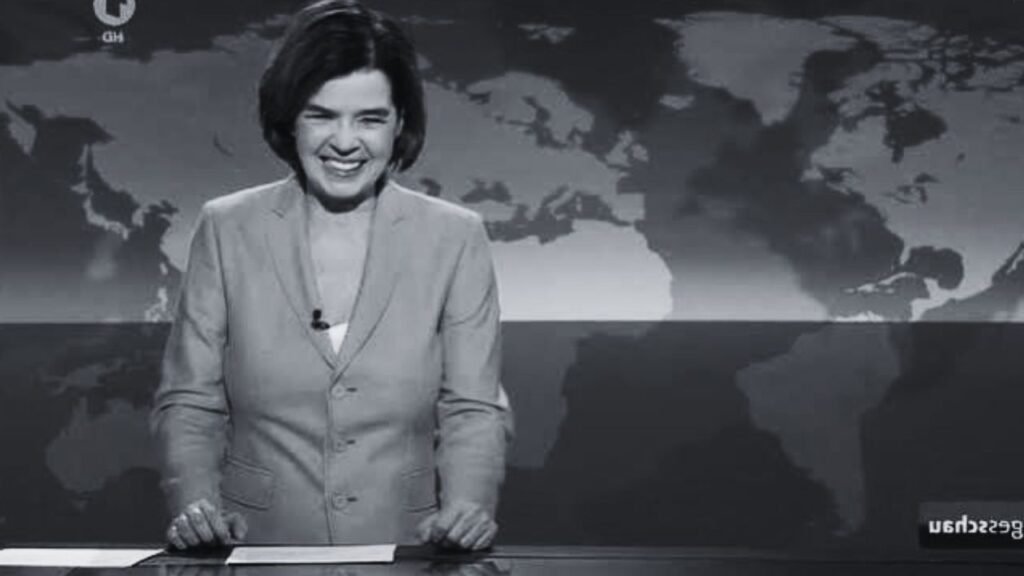
In January 1999, Daubner joined the ARD Tagesschau team. The programme she was joining is not a minor one: Tagesschau has been broadcast since 1952 and its 8 p.m. main edition regularly draws millions of viewers, making it one of the most consistently watched news programmes in Europe. Her first appearance presenting the main 8 p.m. edition came on April 14, 1999.

She joined a presenting team that has always been relatively small given the programme’s reach, and she has remained part of it ever since. Alongside her newsreading duties, she has also worked as a voice artist for television and radio productions and taken on presenter roles beyond the news desk.
A Long-Serving Voice on Germany’s Most-Watched Newscast
Tagesschau presenters occupy a peculiar position in German public life. The programme’s format is disciplined and restrained — no editorial commentary, no personality-driven presenting style — which means that audiences come to recognise and trust individual presenters over years and decades rather than through any single moment of prominence. Daubner’s longevity on the programme means she has become, for many German viewers, simply a reliable part of how the evening news sounds and looks.
That changed — at least momentarily — in 2021, when her announcement of “cringe” as Germany’s youth word of the year circulated widely on social media. The clip caught a particular generational contrast: a composed, experienced newsreader delivering, in her characteristic precise style, a word that had been adopted almost entirely by teenagers and young adults. For many younger viewers who may not regularly watch the 8 p.m. news, that moment introduced her to them for the first time. It was an accidental cultural crossover, but an effective one, and it generated a wave of affectionate coverage that highlighted her decades in the profession.
Profiles and broadcaster coverage published around her 65th birthday in 2026 continued to describe her as one of Tagesschau‘s long-serving presenters, reflecting a career at the programme now well into its third decade. For anyone interested in German media history, her trajectory offers a useful lens — not just because of her work at ARD, but because she is one of the few broadcasters whose career ran continuously from GDR youth radio through reunification and into contemporary public television.
Daubner’s Daughter
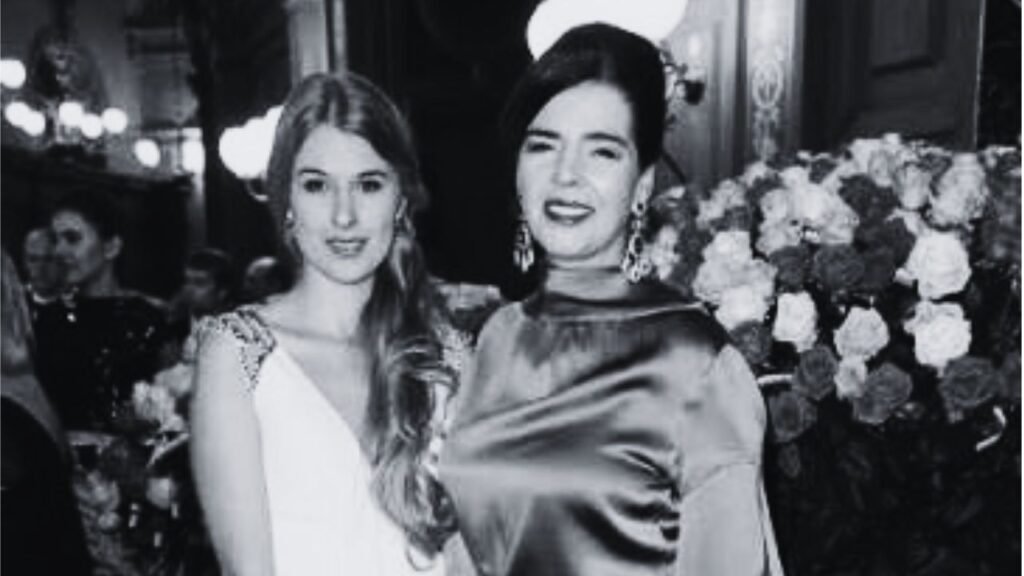
Daubner’s daughter, Jo Tödter-Daubner, was born in 1990. The official Tagesschau biography confirms her birth year. Daubner has generally kept her family life away from media attention, and detailed information about her daughter’s life remains limited in public reporting. Beyond the confirmed parent-child relationship and birth year, further personal details are not well documented in primary sources.
Readers interested in learning more about Jo Tödter-Daubner or following broader coverage of German broadcasting and media can find additional context through First Business Mag.
Daubner’s career, taken whole, is a fairly remarkable arc. She began reading news for a youth station in a country that no longer exists, escaped that country through a route that became one of the defining images of 1989, rebuilt her professional life in a completely different broadcasting culture, and ended up as one of Germany’s most recognisable newsreaders. That the same person who presented Tagesschau‘s restrained evening bulletins also became briefly viral for saying “cringe” is, in its own small way, a fitting footnote to a career that has always moved with the times.