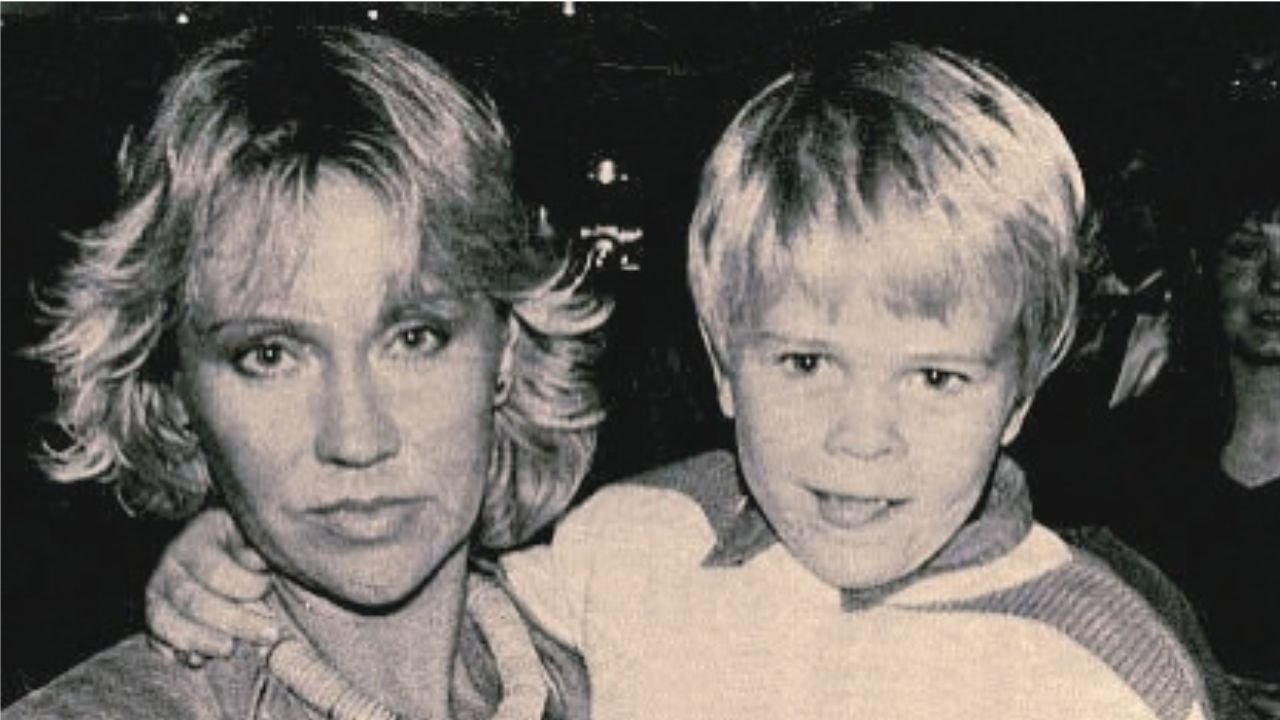

Peter Christian Ulvaeus, publicly known as Christian Ulvaeus, is the son of two of the most recognizable names in pop music history. Born on 4 December 1977, he is the child of Björn Ulvaeus and Agnetha Fältskog, both members of the Swedish supergroup ABBA. While his family background naturally draws attention, Christian has his own small but genuine place in the public record — most notably a children’s album he recorded with his mother when he was nine years old.
| Full name | Peter Christian Ulvaeus |
|---|---|
| Known as | Christian Ulvaeus |
| Born | 4 December 1977 |
| Parents | Björn Ulvaeus (father), Agnetha Fältskog (mother) |
| Sibling | Linda Ulvaeus (older sister) |
| Known for | Recording Kom följ med i vår karusell with Agnetha Fältskog (1987) |
Who Is Christian Ulvaeus?
His full name is Peter Christian Ulvaeus, though he is generally referred to publicly as Christian Ulvaeus. He was born on 4 December 1977. Available sources vary slightly on the exact birthplace, with some reporting Stockholm and others Lidingö Parish, so that detail is best treated with caution.
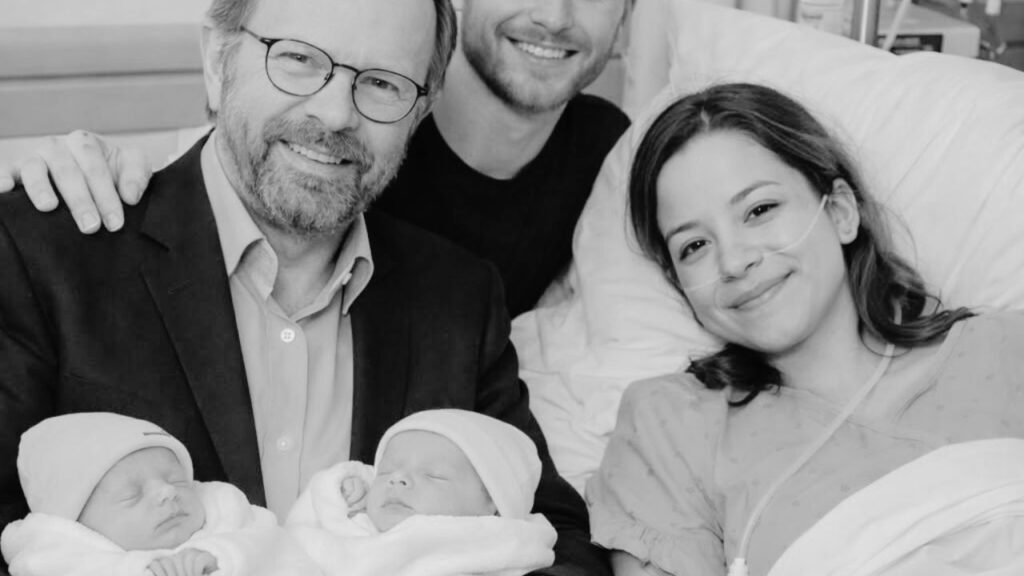
His name carries considerable search interest largely because of who his parents are. Both Björn Ulvaeus and Agnetha Fältskog became internationally known through ABBA, one of the best-selling music acts of all time. That heritage means Christian’s name appears in biographical databases and family records even though he has not pursued a high-profile public career of his own.
MyHeritage identifies him as a singer, a designation that traces back to his childhood participation in a 1987 recording with his mother rather than to any documented professional music career in adulthood.
His Family Background
Björn Ulvaeus is a Swedish musician and songwriter who co-founded ABBA alongside Agnetha Fältskog, Benny Andersson, and Anni-Frid Lyngstad. The group rose to global fame in the 1970s with songs like “Waterloo,” “Dancing Queen,” and “The Winner Takes It All.” Björn went on to co-create the stage musical Mamma Mia! and has remained active in the music industry for decades.
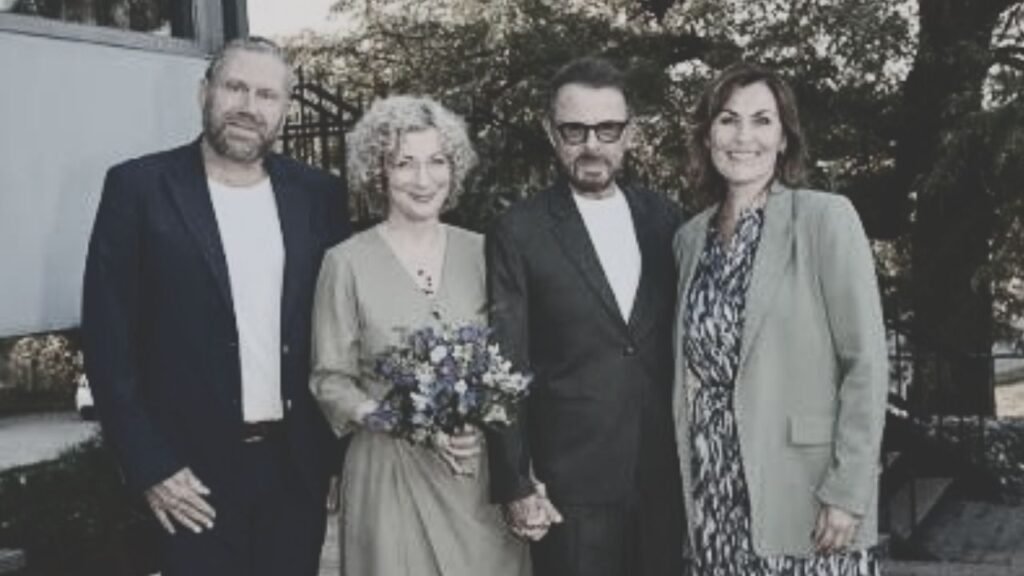
Agnetha Fältskog was already an established Swedish solo artist before ABBA formed, and she continued recording solo material after the group stopped working together in the early 1980s. Her voice is one of the most widely recognized in European pop history.
Björn and Agnetha married in 1971. Their marriage produced two children: Linda Ulvaeus, born first, and Peter Christian Ulvaeus, born in 1977. The couple divorced in 1980, when Christian was still very young.
His older sister Linda Ulvaeus has her own presence in the public record as the daughter of Björn and Agnetha, and both siblings grew up within one of Sweden’s most prominent musical families.
Recording Kom följ med i vår karusell with Agnetha
The clearest documented moment of Christian Ulvaeus’s public life is a Swedish children’s album he made with his mother in 1987. Kom följ med i vår karusell — which translates roughly to “Come Along on Our Carousel” — was released through a Warner-associated label and featured Agnetha Fältskog performing songs alongside her son.
Christian was around nine years old at the time. He contributed vocals to the album, appearing as a genuine participant rather than simply as a background presence. For Agnetha, the project sat apart from her main solo discography and was clearly shaped by her relationship with her children.
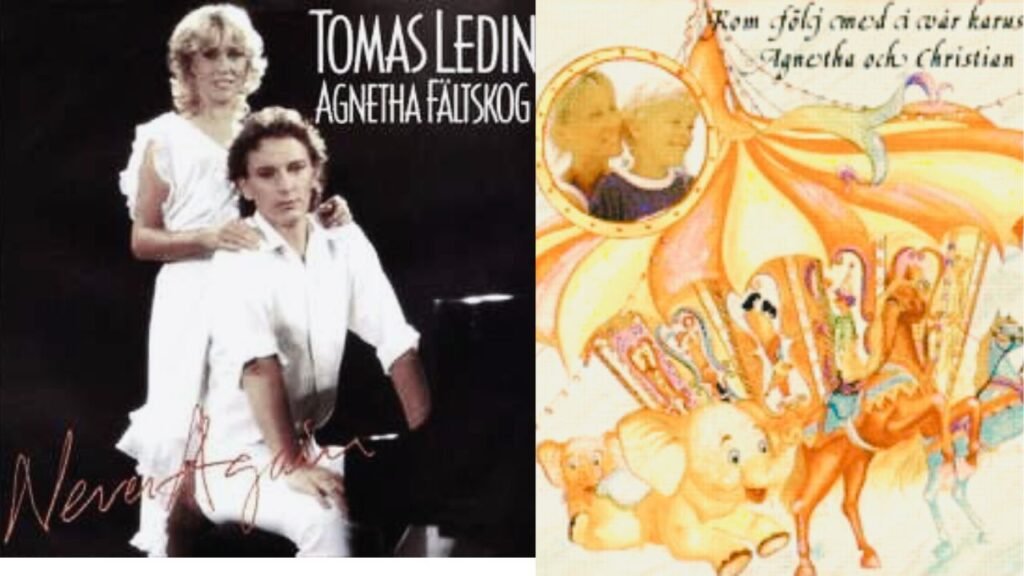
The album is sometimes referenced in overviews of Agnetha’s career, but it also stands as the one independently notable fact about Christian’s own public record. Readers researching him through genealogical or biographical databases will typically find this recording cited as the basis for describing him as a singer.
Coverage of Swedish pop history and ABBA-related family stories, including material published by First Business Mag, often touches on the extended Ulvaeus family when profiling Björn’s career and legacy.
Beyond the 1987 album, the verified public record about Christian Ulvaeus is limited. He is the son of two world-famous musicians, the younger brother of Linda Ulvaeus, and a child who once stepped into a recording studio with his mother to make something intended for a young audience. Those facts are modest, but they are genuine.