

| Full name | Harold Eugene Ford Sr. |
|---|---|
| Born | May 20, 1945, Memphis, Tennessee |
| Profession | Politician, mortician |
| Known for | First African American to represent Tennessee in the U.S. Congress |
| Parents | Newton Jackson Ford and Vera Davis Ford |
| Former spouse | Dorothy Bowles Ford (married 1969, divorced 1999) |
| Children | Harold Ford Jr., Newton “Jake” Ford, Sir Isaac Ford |
| Relationship | Father of Harold Ford Jr. |
Harold Eugene Ford Sr. was born on May 20, 1945, in Memphis, Tennessee, into a family already rooted in both the community and the funeral business. He went on to serve eleven consecutive terms in the U.S. House of Representatives, making history as the first African American to represent Tennessee in Congress. His son, Harold Ford Jr., later succeeded him in that same congressional seat, cementing the family’s place in Memphis political life.
From Memphis Funeral Home to Public Life
Harold Ford Sr. grew up as one of 15 children born to Newton Jackson Ford and Vera Davis Ford. His father was an undertaker who ran N. J. Ford and Sons Funeral Home, a business that had been founded by Ford Sr.’s grandfather. The funeral home was a genuine family institution, and Harold was part of it from an early age.

He pursued his education with a clear direction. He earned a bachelor’s degree from Tennessee State University in 1967, then an associate degree in mortuary science from John A. Gupton College in 1969. Years later, in 1982, he completed an MBA at Howard University. That combination of a liberal arts foundation, a professional mortuary credential, and a graduate business degree reflected the dual tracks his life would follow — public service and the family business.
Beginning in 1969, Ford served as vice president of Ford & Sons Funeral Homes. That role kept him connected to the business even as his political career took shape.
Tennessee’s First African American Member of Congress
Before reaching Washington, Ford built his political footing at home. He served in the Tennessee House of Representatives during the early 1970s, gaining experience in state-level legislation before setting his sights on a federal seat.
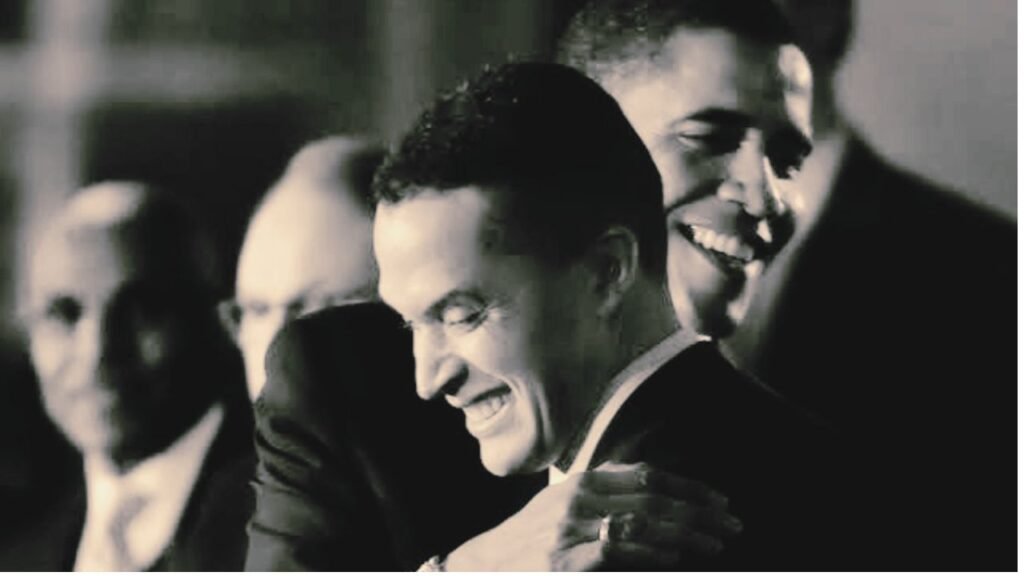
In November 1974, he won election to the U.S. House of Representatives, representing Tennessee’s 9th Congressional District, which covers the Memphis area. He took office in January 1975 and held the seat for eleven consecutive terms — a stretch of roughly 22 years. That longevity made him one of the most enduring political figures in Memphis history.
His election carried a specific historical weight: Ford was the first African American ever elected to represent Tennessee in the United States Congress. At a time when Black representation in Southern congressional delegations was still rare, that distinction mattered well beyond Memphis city limits.
During his time in Washington, Ford served on the House Ways and Means Committee, one of the most powerful committees in Congress. His work there touched on taxation, Social Security, Medicare, welfare, and public assistance programs — issues that directly affected working-class and low-income constituents in his district.
The Bank Fraud Indictment and Acquittal
In 1987, Ford was indicted on federal bank fraud charges. The case stretched across several years and drew significant attention, but Ford continued serving in Congress while the legal proceedings moved forward. In 1993, he was acquitted at trial. He was not convicted of any crime.
The episode was a serious and well-documented chapter in his public career, but it did not end his congressional service. He remained in office and continued representing Memphis until he chose not to seek re-election.
The Ford Family of Memphis
Harold Ford Sr. married Dorothy Bowles on February 10, 1969. Together they had three sons: Harold Eugene Ford Jr., Newton “Jake” Ford, and Sir Isaac Ford. The couple divorced in 1999.
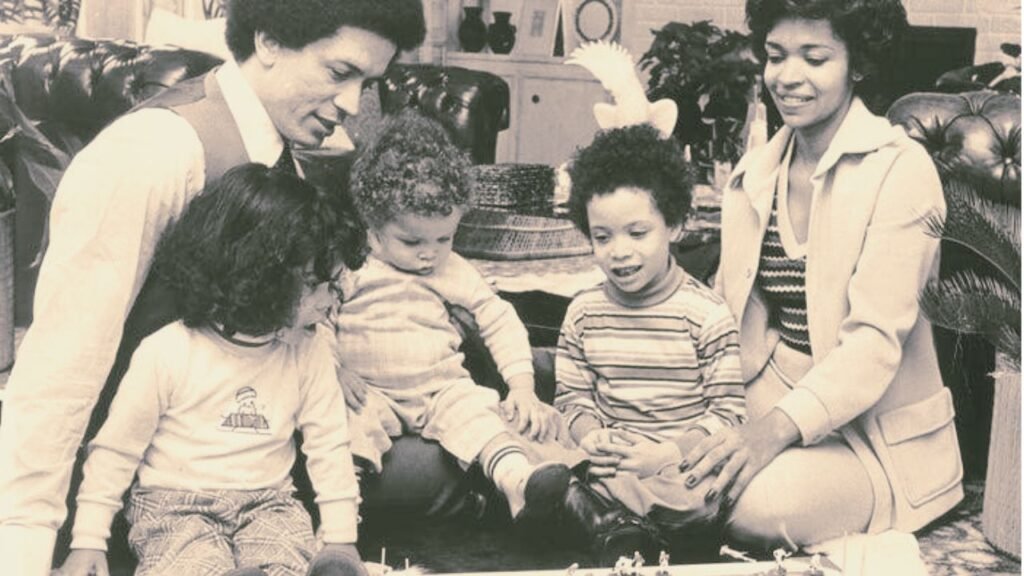
All three sons grew up in a household shaped by politics and business. Harold Ford Jr. went on to succeed his father in Tennessee’s 9th Congressional District, running for and winning the seat after Ford Sr. stepped down. That succession made the 9th District something of a family seat across two generations. Newton “Jake” Ford also entered Memphis political life, further extending the family’s civic presence in the city.
The Fords represent one of the more prominent political and business families in Memphis history, with roots in both the funeral home industry and elected office going back decades.
Life After Congress
After leaving Congress, Ford remained connected to the family funeral home business that had been part of his life since childhood. The Ford & Sons name had been a Memphis institution long before his political career began, and it continued after it ended.

For readers interested in the broader context of Memphis business and civic leadership — the kind of environment that shaped families like the Fords — First Business covers regional business and community affairs across the Midwest and beyond.
Harold Ford Sr.’s career stands on its own terms. He broke a congressional barrier that had held for the entire history of Tennessee’s representation in Washington. He served eleven terms, worked on consequential federal policy through the Ways and Means Committee, and faced a serious legal challenge that ended in full acquittal. Those facts are the foundation of his legacy — and the backdrop against which his son, Harold Ford Jr., entered public life and eventually took his father’s seat in the House of Representatives.