

Newton “Jake” Ford is a Memphis-connected member of one of Tennessee’s most prominent political families. He is the younger brother of former U.S. Representative Harold Ford Jr. and a son of Harold Ford Sr. and Dorothy Bowles Ford. While his family name carries deep roots in Tennessee politics, Jake carved out his own place in the public record when he ran for Congress in 2006 — not as a Democrat or a Republican, but as an independent.
| Full name | Newton Jake Ford |
|---|---|
| Known as | Jake Ford |
| Parents | Harold Ford Sr. and Dorothy Bowles Ford |
| Known for | Independent candidate, Tennessee’s 9th Congressional District (2006) |
| Relationship | Younger brother of Harold Ford Jr. |
The Ford Family in Memphis Politics
The Ford family has long been a fixture in Memphis political life. Harold Ford Sr. represented Tennessee’s 9th Congressional District in the U.S. House of Representatives, building a base in the city that would outlast his own tenure. When he left office, his son Harold Ford Jr. stepped into the same seat and went on to serve in the House from 1997 through 2007.

That kind of political succession across generations made Tennessee’s 9th District closely associated with the Ford name. By the time Jake entered the picture in 2006, the district had been held by his family for decades. His decision to run there was rooted in that history, though he approached it on his own terms.
The Ford Family

Jake Ford is one of three sons born to Harold Ford Sr. and Dorothy Bowles Ford. His brothers are Harold Eugene Ford Jr. and Sir Isaac Ford. The family’s connection to Memphis and to Democratic politics in Tennessee shaped the environment in which Jake grew up, even if his own political path diverged from the party affiliation associated with his father and brother.
Jake Ford’s 2006 Run for Congress
In 2006, Harold Ford Jr. chose not to seek re-election to his House seat and instead launched a campaign for the U.S. Senate. That decision opened up Tennessee’s 9th Congressional District and created the context for Jake Ford’s entry into electoral politics.
Jake entered the race as an independent candidate. The decision set him apart from both his father and brother, who had run as Democrats, and from the two major-party candidates in the field: Democrat Steve Cohen and Republican Mark White.
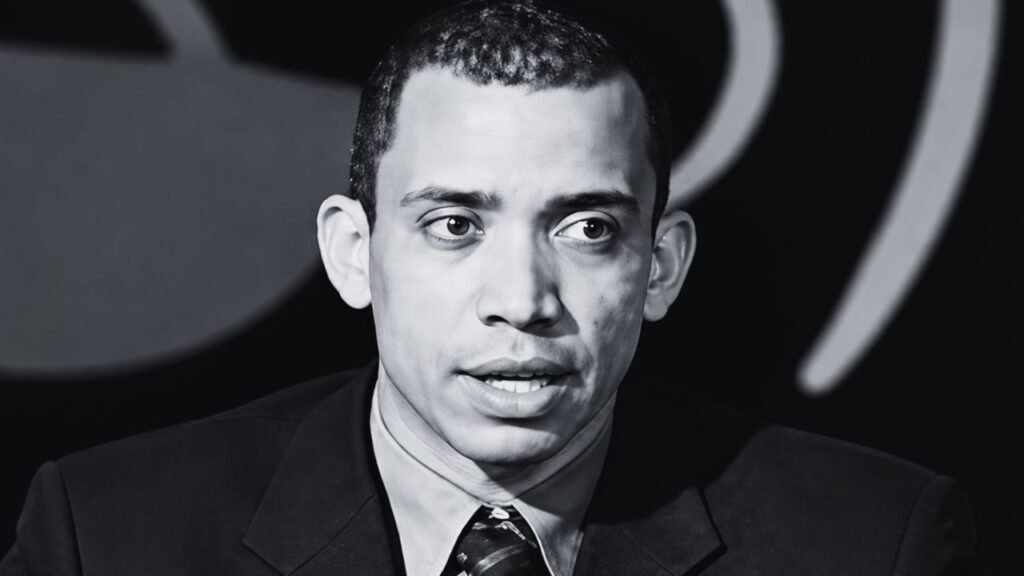
The 9th District, centered on Memphis, had long leaned Democratic, and Cohen was widely seen as the frontrunner. The race drew attention in part because of Jake’s family name and because his independent candidacy added an unusual dimension to what might otherwise have been a straightforward contest.
When the votes were counted, Steve Cohen won the seat. Jake Ford finished second, receiving 38,243 votes according to official U.S. House Clerk election results — placing him ahead of Republican Mark White but well behind Cohen. He did not win a seat in Congress.
The result was a significant outcome for the district. It marked the first time since Harold Ford Sr. first won the seat that a member of the Ford family would not be heading to Washington to represent it. Jake’s independent run, while it ended in defeat, demonstrated a willingness to compete outside the Democratic Party structure that his family had long operated within.
For readers interested in the broader political and business landscape that shapes stories like this one, First Business covers the people and decisions that drive regional and national affairs.
A Member of a Political Family, on Independent Terms
Newton “Jake” Ford’s most documented moment in public life is his 2006 congressional campaign. He did not simply trade on his family name by running as a Democrat in a seat long held by Fords — he ran as an independent, which meant building his own campaign identity separate from the party machinery that had supported his father and brother over the years.
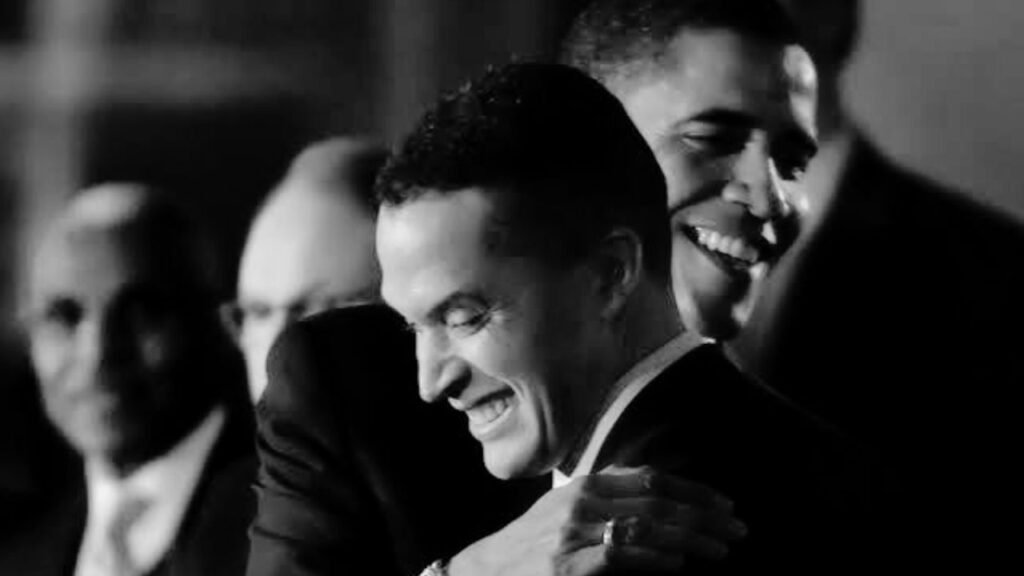
The Ford family’s multi-generational hold on Tennessee’s 9th District is a genuine part of Memphis political history. Harold Ford Sr. established the family’s presence there, Harold Ford Jr. extended it across a decade of his own service, and Jake’s 2006 candidacy — though unsuccessful — reflected the same attachment to that seat, even if pursued through a different path.
Jake Ford’s story is ultimately a smaller, less documented thread within a much larger family narrative. But his independent candidacy and his verified second-place finish in a contested congressional race give him a distinct place in the record of that family’s political history, separate from the accomplishments of his father or his brother.